
























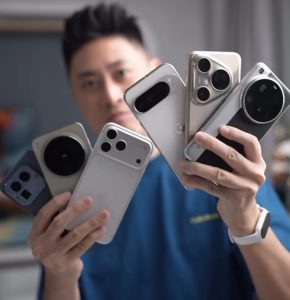
 Pin
Pin Photo courtesy of SM Lim
Synopsis: Not all great phones are created equal. Some win on camera, others on battery, speed, or sheer value. This guide cuts through the noise and ranks the top 10 best smartphones in the world right now — tested against real-world use in 2026, not just spec sheets. Whether you are a power user, a photography lover, or someone tired of overpaying, you will find a clear and honest answer here to help you choose smarter.
| # | Phone | Price | Processor | Main Camera | Battery | SW Support | OS | Best For |
|---|---|---|---|---|---|---|---|---|
| 1 | Apple iPhone 17 Pro Max | From $1,199 | A19 Pro | 48MP + 8x Zoom | 21h 44m (video) | 7 years | iOS 26 | Video creators, Apple ecosystem users |
| 2 | OnePlus 15 | $899 | SD 8 Elite Gen 5 | Triple cam system | 7,300 mAh / 25h+ | 4 yrs OS / 6 yrs security | Android 17 | Power users, gamers, value buyers |
| 3 | Samsung Galaxy S26 Ultra | From $1,299 | SD 8 Elite Gen 5 for Galaxy | 200MP + 5x Periscope | Large / 60W charging | 7 years | Android 16 / One UI 8.5 | S Pen users, privacy-conscious, low-light photographers |
| 4 | Xiaomi 17 Ultra | Premium tier | SD 8 Elite Gen 5 | 50MP 1” Leica + 200MP Tele | 6,000 mAh (inconsistent) | Trails Apple/Samsung | HyperOS 3 | Photography enthusiasts, Leica fans, mobile creators |
| 5 | Google Pixel 10 Pro XL | From $1,199 | Tensor G5 | 50MP + 5x Periscope AI zoom | Large OLED / solid all-day | 7 years | Android 16 | AI/software users, point-and-shoot photographers, long-term buyers |
| 6 | Honor Magic8 Pro | Below S26 Ultra | SD 8 Elite Gen 5 | 200MP + 3.7x Zoom | 4th-gen silicon-carbon | Not stated | MagicOS 10 | EU/Asia buyers, display enthusiasts (not available US/Canada) |
| 7 | Apple iPhone 17 | From $799 | A18 | Wide + Ultrawide (no tele) | Improved vs prior gen | 7 years | iOS 26 | First-time iPhone buyers, everyday upgraders |
| 8 | Samsung Galaxy S25 Ultra | Discounted (was $1,299) | SD 8 Elite | 200MP quad-cam system | Large / 45W charging | 7 years (thru 2032) | One UI 8 / Android | Samsung loyalists, S Pen users seeking a discount deal |
| 9 | Nothing Phone (3) | Mid-range premium | Snapdragon (mid-high) | Triple cam (capable, not class-leading) | Full day comfortable | Not stated | Nothing OS (clean Android) | Design-conscious buyers, clean Android seekers |
| 10 | Google Pixel 10a | Under $500 | Tensor G5 | Dual cam + full AI suite | Solid all-day / OLED display | 7 years | Android (clean) | Budget buyers, students, minimalists |
SD = Snapdragon • Tele = Telephoto • SW Support = Software support years • Prices as of May 2026
There is a peculiar kind of suffering that arrives when a person walks into a phone store in 2026. The shelves are bright and gleaming. The numbers on the price tags are terrifying. Every box promises the moon, the stars, and somewhere on the back, a camera specification that sounds like an astronomy coordinate. A hundred and twenty hertz. Two hundred megapixels. Snapdragon what-have-you. The average buyer squints, swallows, and either picks the phone they had last time or the one the salesperson was standing closest to.
That is where this guide steps in. The ten phones ranked here were put through their paces by reviewers at GSMArena, TechRadar, Tom’s Guide, Android Authority, Notebookcheck, The Verge, and a dozen other credible sources whose testers actually live with these devices for weeks on end. These are not phones selected for their marketing budgets. They are phones that proved themselves in dim restaurants, on long flights, in bright afternoon sun, and during the last 8 percent of battery life on a very important Tuesday.
The rankings are built on four pillars: sustained performance (not just the peak benchmark before the phone starts sweating), camera quality across real lighting conditions, battery life that includes idle drain not just video loops, and software longevity because a phone that gets abandoned by its maker in two years is a bad deal at any price. The list covers 2025 and early 2026 releases, so every phone here is available to buy right now.
Table of Contents
1. Apple iPhone 17 Pro Max
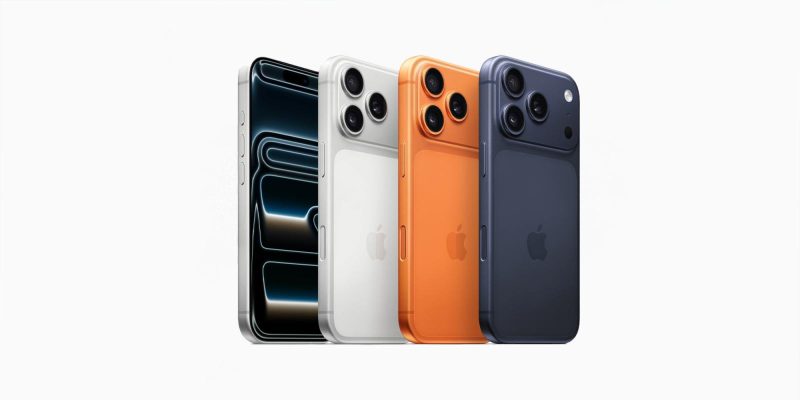 Pin
Pin Photo courtesy of Магазин VIPMARKET iPhone24
Apple handed the iPhone 17 Pro Max an aluminum unibody frame, a vapor chamber cooling system that finally keeps the phone composed under prolonged workloads, and the A19 Pro chip — a piece of silicon so efficient that it comfortably outperforms the best Android processors in single-core tasks and trades blows with Qualcomm’s finest in multi-core. The design is unmistakable: a wide raised plateau across the back houses the cameras, the cooling architecture, and most of the phone’s structural integrity. Some reviewers find the plateau polarizing. Most forget about it within a week.
The cameras are the main event. Three 48-megapixel sensors cover wide, ultrawide, and telephoto duties, with the telephoto reaching a genuine 8x optical zoom. Video recording remains the area where Apple refuses to let anyone catch up. Reviewers at CNN Underscored and PetaPixel described the iPhone 17 Pro Max’s video output as class-leading in consistency, color accuracy, and handling of difficult lighting. The new 18-megapixel Center Stage front camera automatically keeps the subject framed during video calls — a small feature that turns out to be enormously useful in practice.
Battery life marks a genuine year-over-year improvement. The Pro Max clocked 21 hours and 44 minutes on TechRadar’s 4K looping video test, outperforming every previous iPhone. Thurrott.com called it the best single-screen smartphone currently available. The price starts at $1,199 and climbs quickly with storage, which is the predictable gripe. iOS 26 ships with it and brings the most customizable iPhone interface Apple has ever offered. Seven years of software support are promised.
Best For:
- Video creators and content professionals
- Apple ecosystem users who want the absolute ceiling of iPhone performance
- Anyone upgrading from an iPhone 14 or earlier, where the jump is enormous
2. OnePlus 15
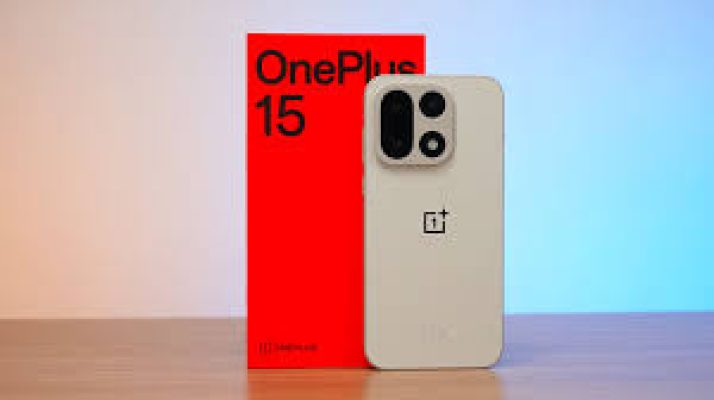 Pin
Pin Photo courtesy of Nasi Lemak Tech
Android Authority called the OnePlus 15 the best Android phone of 2025, and the accolade was not close. Every single member of their awards team voted for it. The phone runs the Snapdragon 8 Elite Gen 5 processor, carries a 7,300 mAh dual-cell silicon-carbon battery, charges at 80W wired and 50W wireless, and is priced at $899. In a market where most flagships start at $1,000 and climb from there, the OnePlus 15 routinely makes reviewers pause and ask why nobody else is doing this.
Tom’s Guide recorded 25 hours and 13 minutes on their battery test, which they noted was nearly 15 hours better than the smartphone average. Android Police reported three-day battery life under light to mixed use. One reviewer described driving for over three hours with navigation running and losing less than 15 percent charge. The 165Hz OLED display is sharp and fluid. The Snapdragon chip blazes through any gaming title thrown at it. The cameras, while good, are not the strongest in this tier, and low-light selfie performance is a consistent weakness.
The design is clean but generic, having shed the distinctive design language that OnePlus used to be famous for. Software support runs to four years of OS updates and six years of security patches, which is solid but short of the seven years Apple and Samsung now offer. Android 17 is confirmed for the device. For the buyer who wants the best raw performance and battery life per dollar in 2026, the OnePlus 15 is the phone that keeps winning the argument.
Best For:
- Power users and mobile gamers who demand top chip performance
- Anyone who wants two to three days of battery life from a slim flagship
- Value-conscious buyers who do not want to cross the $1,000 line
3. Samsung Galaxy S26 Ultra
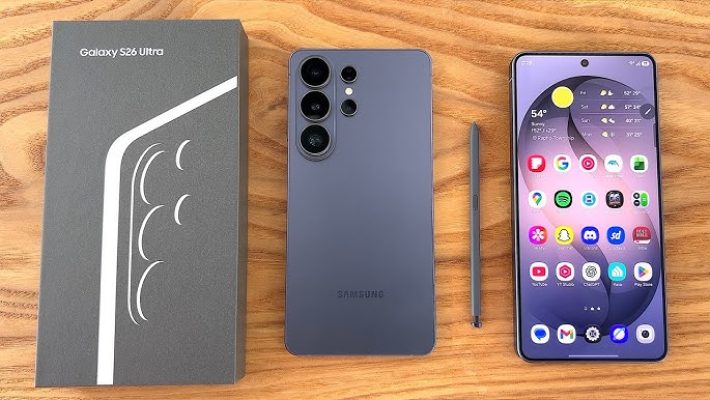 Pin
Pin Photo courtesy of Shane Symonds
The Galaxy S26 Ultra was announced at Samsung’s Galaxy Unpacked event in San Francisco in February 2026 and released on March 11. It kept the same $1,299 price as its predecessor, which Samsung deserves credit for given the scale of the upgrades. The headline feature is the Privacy Display — a panel-level technology, not a stuck-on filter — that narrows the viewing angle on command so the person beside a user on the train cannot read their screen. No other phone in the world has this at the time of writing.
Under the hood, the Snapdragon 8 Elite Gen 5 for Galaxy drives everything, and the switch from titanium to Armor Aluminum gives the frame better heat dissipation and a grip that feels more premium than the material’s reputation might suggest. The camera system carries over from the S25 Ultra in terms of sensor count (200MP main, 50MP ultrawide, 50MP periscope 5x, 10MP 3x telephoto) but with meaningfully wider apertures: the main camera is 47 percent brighter and the 5x telephoto is 37 percent brighter, which translates to noticeably better low-light results. Charging finally reaches 60W wired, which was a long-standing criticism of Samsung flagships.
GSMArena’s review noted that the S26 Ultra delivers more meaningful improvements over its predecessor than the S25 Ultra did over the S24 Ultra, and Variety called it an all-in-one device that functions as a work assistant, entertainment hub, content platform, and productivity tool in equal measure. The S Pen remains built in. One UI 8.5 runs on Android 16 and promises seven years of major OS upgrades. The phone is heavy at 214 grams and still too large to control with one hand — characteristics that have defined the Ultra line for years and show no signs of changing.
Best For:
- S Pen users and heavy multitaskers who want Samsung’s fullest ecosystem
- Privacy-conscious users in public workspaces who value the Privacy Display
- Android photographers who shoot frequently in low light
4. Xiaomi 17 Ultra
 Pin
Pin Photo courtesy of Comics Gaming Magazine
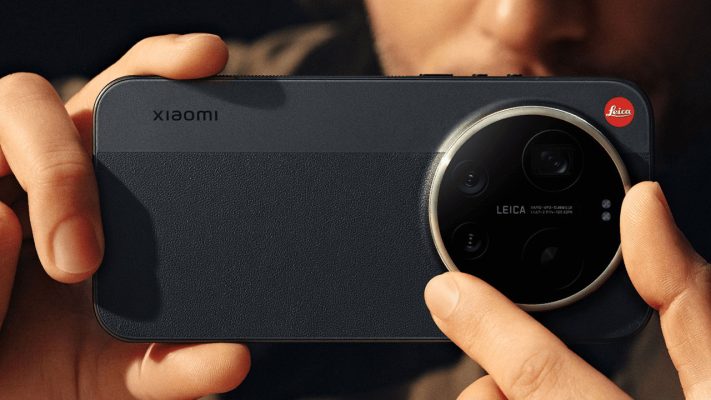
The Xiaomi 17 Ultra is not a phone for people who want simplicity. The enormous circular camera module announces its intentions before the spec sheet is opened. Inside that module: a 50-megapixel 1-inch main sensor with an f/1.67 aperture and Leica optics, a 50-megapixel 14mm ultrawide, and a 200-megapixel telephoto spanning 75mm to 100mm with continuous optical zoom. TechCrunch, BGR, and 91Mobiles all landed on the same conclusion: for still photography, this is as capable as a smartphone camera gets in 2026.
The phone is powered by the Snapdragon 8 Elite Gen 5, paired with 16GB of LPDDR5X RAM and a baseline 512GB of storage. The 6.9-inch OLED display peaks at 3,500 nits. Xiaomi’s new 3D Dual-Channel IceLoop cooling system delivers a 50 percent improvement in thermal conductivity over the previous generation, which means the phone sustains its performance better under prolonged loads. The Leica partnership extends beyond sensor tuning into a suite of filters, color profiles, and a physical Photography Kit accessory that adds a two-stage shutter, zoom lever, and a 2,000 mAh pass-through battery.
The trade-offs are real. Battery life on the global 6,000 mAh model is inconsistent: some reviewers got two days of light use, others struggled to clear a single day under heavier loads. Android Police gave the battery a flat grade of poor for power users. HyperOS 3 has a learning curve, and the software update schedule trails Apple, Samsung, and Google. The phone is also heavy and top-heavy thanks to the camera module. For the person who shoots constantly and genuinely needs the best optics available on any mobile device, those trade-offs are worth making. For everyone else, one of the next six phones is probably the more sensible choice.
Best For:
- Photography enthusiasts who want near-DSLR results from a phone
- Leica color science admirers and professional mobile content creators
- Users in regions where Xiaomi’s ecosystem and accessories are widely available
5. Google Pixel 10 Pro XL
 Pin
Pin Photo courtesy of MobilMania – Živě.cz
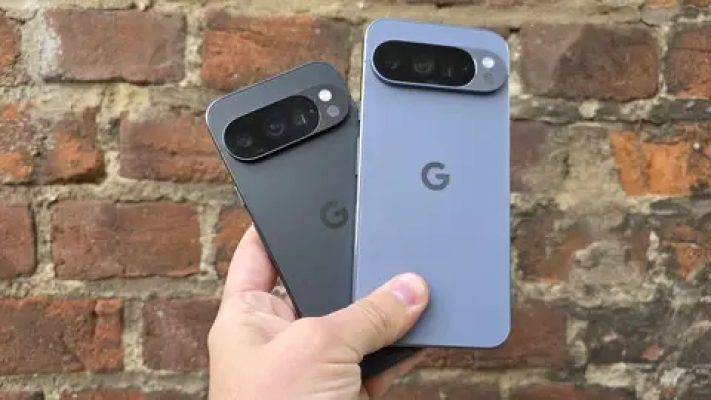
The Google Pixel 10 Pro XL is, by many accounts, the phone that understands photography better than almost any other device on the market — not because of the size of its sensors, but because of what it does with the light it captures. The Tensor G5 chip is not the fastest processor in the flagship tier; Qualcomm’s Snapdragon variants beat it comfortably in raw benchmarks. But Tensor was built to accelerate computational photography and AI inference at the device level, and those are the tasks that define the Pixel experience.
The triple-camera system includes a 50-megapixel main sensor with a 1/1.31-inch sensor size, a 48-megapixel ultrawide at f/1.7, and a 48-megapixel periscope telephoto with 5x optical zoom. Google’s AI-powered processing has been meaningfully upgraded: Gemini Nano runs locally on the device, enabling features like real-time photography coaching through the viewfinder and an AI-enhanced zoom that rivals optical reach well beyond its hardware ceiling. Android Central called the Pixel 10 Pro the best camera phone of the year, noting that the only reason it did not win their best overall award was a battery trade-off the OnePlus 15 made look embarrassingly easy.
The 6.8-inch OLED panel is sharp and color-accurate, the build quality is considered among the best in Android, and seven years of OS updates make this a phone that remains genuinely useful in 2033. The Pixel 10 Pro XL starts at $1,199 and is available directly from Google, Best Buy, and Amazon. For users who want the cleanest Android experience, the best AI software integration, and a camera that consistently produces stunning results without requiring photography knowledge, this is the phone.
Best For:
- AI and software-forward users who want Gemini integrated deeply into daily tasks
- Point-and-shoot photographers who want the best results with minimal manual input
- Long-term buyers who want seven years of software support
6. Honor Magic8 Pro
 Pin
Pin Photo courtesy of TechAndTech
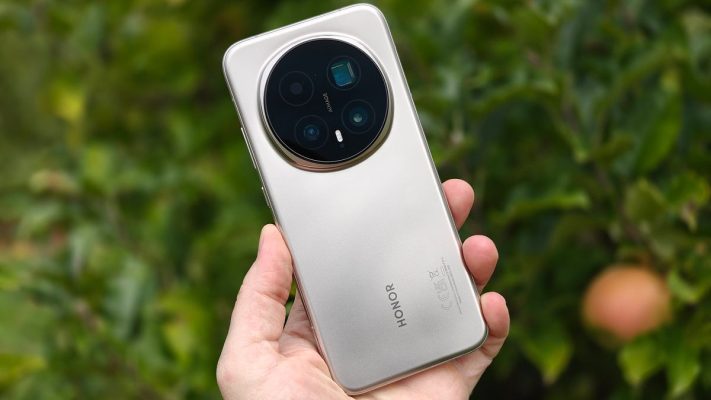
The Honor Magic8 Pro arrived globally in January 2026 and has spent the months since accumulating praise from European reviewers who discovered it and disbelief from American buyers who cannot purchase it. The phone is not available in the United States or Canada, a limitation that defines its audience before any spec is read. For those in markets where it sells, what they find is a device that outscores every phone in the Galaxy S25 series on PhoneArena’s composite review rating and beats several iPhone 17 models too.
The display is arguably the star. Honor fitted the Magic8 Pro with the brightest OLED panel measured on any production smartphone: 3,600 nits peak brightness, with a 1-120Hz adaptive refresh rate and detailed color calibration controls that go far beyond what most competitors offer. The 200-megapixel telephoto camera is impressive in daylight and ultrawide conditions, though its 3.7x zoom falls below the 5x standard now common in this tier. The Snapdragon 8 Elite Gen 5 with 12GB of RAM drives the experience, and a fourth-generation silicon-carbon battery with fast charging keeps pace with the best.
The software, MagicOS 10, is the phone’s most divisive attribute. Android Central’s reviewer noted it copied iOS multitasking UI directly, a useful theft in terms of functionality but an irritating one in terms of identity. Setup requires patience, with unnecessary app bloat and a home screen launcher that lacks Android’s usual customization depth. For buyers who can access it, the Honor Magic8 Pro is an outstanding technical achievement at a price that sits just below the Samsung and Apple ceiling. For Americans, the OnePlus 15 or Pixel 10 Pro XL is the rational alternative.
Best For:
- European and Asian buyers who want a Galaxy S26 Ultra alternative at a lower price
- Display enthusiasts who want the brightest, most configurable OLED on the market
- Users who prioritize camera versatility and processor muscle over software elegance
7. Apple iPhone 17
 Pin
Pin Photo courtesy of Blog do Edivaldo
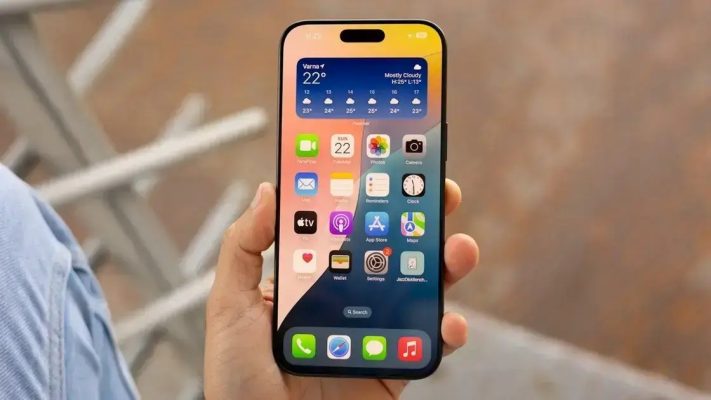
For years, Apple reserved its smoothest, most fluid 120Hz ProMotion display technology exclusively for the Pro models. The iPhone 17 changes that. For the first time, the base iPhone ships with a 120Hz OLED display, and it pairs that with higher-resolution cameras, more storage starting at 128GB, stronger performance from the A18 chip, and meaningfully better battery life — all for a starting price of $799. Tech Advisor named it the best value iPhone in the current lineup, a judgment echoed by Notebookcheck’s testers.
The design is the familiar rounded slab that Apple has perfected over several generations, with the front-facing Center Stage camera from the Pro models also making an appearance here. The wide-angle camera system is excellent for everyday photography. The trade-off is the absence of a dedicated telephoto lens, which matters for anyone who shoots at distance, and a Wi-Fi module that is deliberately slower than the Pro models — a limitation that frustrated several reviewers who expected better at this price point.
For the buyer coming from an iPhone 14 or earlier, or switching from an aging Android device, the iPhone 17 represents an enormous quality jump without the enormous flagship price. Apple promises seven years of OS updates, iOS 26 is polished and fast, and the ecosystem integration with Mac, iPad, and Apple Watch remains industry-leading. This is the iPhone for the majority: good enough at everything, excellent at most things, and priced like Apple actually wanted someone to buy it.
Best For:
- First-time iPhone buyers who want the full Apple experience without the Pro premium
- Upgraders from iPhone 14 or older where the improvement across every category is dramatic
- Everyday users who photograph people, food, and travel rather than birds at 10x zoom
8. Samsung Galaxy S25 Ultra
 Pin
Pin Photo courtesy of T3
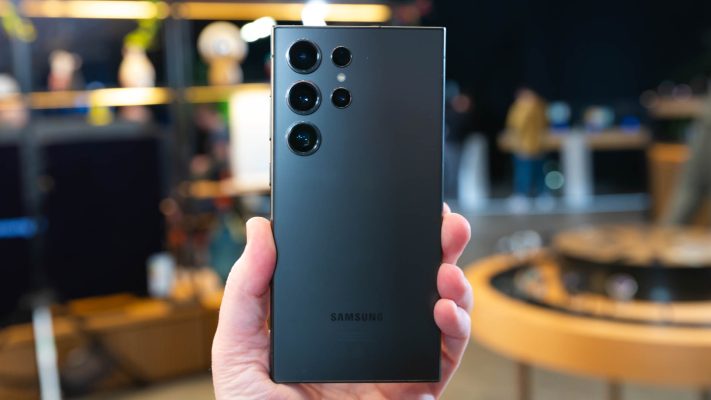
Released in February 2025 and now available at meaningfully reduced prices through Samsung’s trade-in program and third-party retailers, the Galaxy S25 Ultra remains one of the most capable Android phones money can buy in 2026. Its Snapdragon 8 Elite processor, 200-megapixel quad-camera system, 6.9-inch Dynamic AMOLED 2X display, and built-in S Pen are the same ingredients that made it the most popular Galaxy S generation in years. The S26 Ultra is better, but not by a margin that justifies the full price difference for a buyer who finds the S25 at a significant discount.
What the S25 Ultra does particularly well is software. Samsung’s One UI 7, updated to One UI 8 over the course of 2025, layered in Galaxy AI features that grew more capable with each update: natural language device control, voice-activated settings search, Audio Eraser for cleaning background noise from videos, and an AI photo organization system that finds images by describing them in plain language. The phone promised seven years of OS updates and that promise runs through 2032, meaning the device has at least six productive years ahead of it.
The S25 Ultra’s weaknesses are well-documented and worth naming plainly: the S Pen lost its Bluetooth functionality with this generation, removing the remote shutter and gesture features previous owners valued. Charging at 45W is slower than Chinese competitors. And at 218 grams, the phone is heavy. None of these are dealbreakers, but together they explain why the S26 Ultra was a welcome upgrade. For buyers who find the S25 Ultra at $300 or more below its original price, it remains an exceptional purchase.
Best For:
- S Pen users and Samsung loyalists who want all of Samsung’s ecosystem at a discount
- Buyers who find a significant price reduction compared to the S26 Ultra
- Power users who want seven years of software support on a proven platform
9. Nothing Phone (3)
 Pin
Pin Photo courtesy of techreviewer
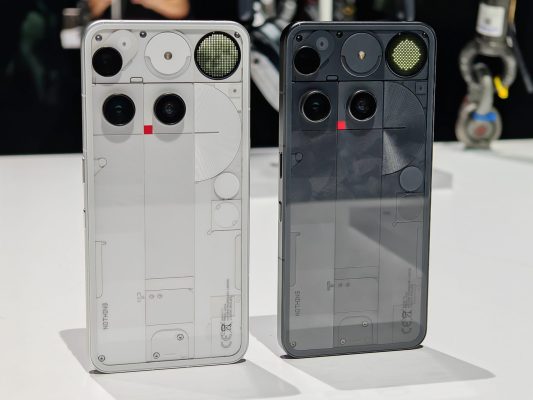
Carl Pei’s Nothing company has built a phone that people have opinions about, which is itself an achievement in a market where most smartphones are indistinguishable at a glance. The Nothing Phone (3) carries forward the transparent back design with its Glyph LED interface — a series of programmable LED strips that light up for notifications, charging indicators, and customizable alerts. On a shelf full of identical glass rectangles, the Nothing Phone (3) looks like nothing else.
Inside, the specifications are solidly mid-to-high range: a Snapdragon chip, a capable triple-camera system, a clean and fast Android interface called Nothing OS that strips away the bloat that haunts most Android skins, and a battery that handles a full day comfortably. The phone does not compete with the OnePlus 15 on raw performance or battery stamina, nor with the Pixel 10 Pro XL on camera AI, nor with the Galaxy S26 Ultra on display technology. What it does compete on is value per experience: the build quality feels premium, the software is genuinely delightful, and the overall package punches well above the price tag.
Android Central reviewed it warmly, and the Nothing Phone (3) appeared in multiple best-buy lists through early 2026 as one of the more interesting flagships for buyers who are tired of choosing between Apple and Samsung and want something with a point of view. The AI side-key, noted in comparisons with the Honor Magic8 Pro, is one of the better implementations of a hardware shortcut key in the industry. Nothing OS is among the cleanest Android experiences available. The camera is good but not exceptional. This is a phone for the buyer who wants character alongside competence.
Best For:
- Design-conscious buyers who want a phone that looks and feels distinctive
- Clean Android experience seekers who want performance without software clutter
- Mid-range buyers who want flagship feel at a more reasonable price
10. Google Pixel 10a
 Pin
Pin Photo courtesy of Mashable
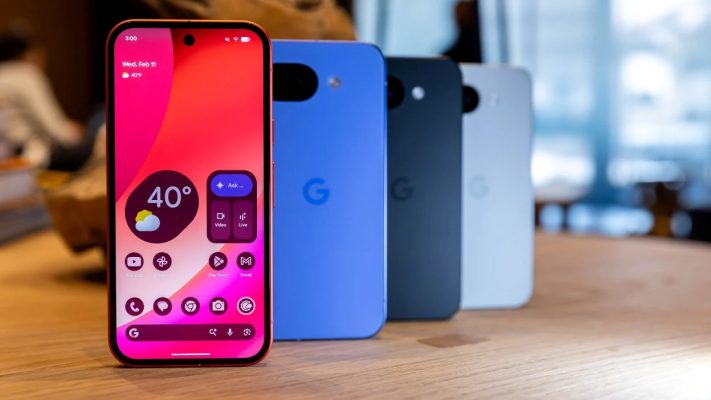
The Pixel 10a costs under $500. At that price, it offers Google’s full Gemini AI experience, the same camera computational intelligence that runs on the Pixel 10 Pro XL, and a clean software experience that Android enthusiasts genuinely enjoy using. Tom’s Guide named it a standout pick for buyers reluctant to cross the $500 line, and the praise was not the soft praise reviewers give to budget phones out of pity. The Pixel 10a is genuinely good.
The camera system is a step below the Pro in hardware: two sensors instead of three, with no dedicated telephoto. But Google’s processing pipeline closes most of that gap. Night Sight, Magic Eraser, Photo Unblur, and the full suite of AI editing tools are present. The Tensor G5 chip handles AI inference efficiently. The display is an OLED panel that would have been considered impressive on a flagship two years ago. Battery life is solid through a full day and occasionally into a second morning for light users.
The trade-offs are honest and predictable: charging speed is modest, there is no telephoto, and the build feels noticeably less premium than the Pro models. But the software support promise — seven years of Android updates — applies here too, making the Pixel 10a one of the best-value long-term investments in smartphones for 2026. For the student, the practical minimalist, or anyone who refuses to spend four figures on a phone, this is the answer.
Best For:
- Budget-conscious buyers who want Google’s AI features without the flagship price
- Students and minimalists who want a clean, reliable smartphone that lasts years
- First-time Android users who want a smooth learning curve with excellent software
How to Choose the Right Smartphone in 2026
The honest answer to which phone is best is the one that fits the way a person actually uses a phone — not the one that wins the most benchmarks or costs the most money. The table above is a ranking, not a commandment. A person who shoots video professionally and lives inside the Apple ecosystem should probably buy the iPhone 17 Pro Max. A person who cannot go a day without a charger nearby should seriously consider whether they want to be that person, and then buy the OnePlus 15. A person who photographs flowers and sunsets every weekend and wants the absolute finest optics available on glass should look seriously at the Xiaomi 17 Ultra.
Budget is the most honest filter. Under $500, the Pixel 10a is the clear answer. Between $500 and $800, the iPhone 17, the OnePlus 15 (on discount), and the Nothing Phone (3) each make a strong case depending on whether the buyer wants Apple, raw Android power, or character. Above $1,000, the question becomes about ecosystem and priorities: camera perfection points to the Xiaomi 17 Ultra, S Pen and privacy features to the Samsung S26 Ultra, the fullest AI integration to the Pixel 10 Pro XL, and the most complete all-around performance to the iPhone 17 Pro Max.
Software support has become a genuinely important consideration in 2026. New EU regulations require manufacturers to provide at least five years of updates, but the best phones in this list offer seven. A phone bought in 2026 with seven years of support could reasonably remain a person’s daily driver until 2033. That shifts the calculation on price considerably: a $1,000 phone that receives seven years of support costs roughly $143 per year. A $600 phone that gets abandoned in three years costs $200 per year. The math tends to favor the premium purchase more than the sticker shock suggests.
FAQs
The iPhone 17 Pro Max holds that title in most expert rankings for 2026, thanks to its A19 Pro performance, outstanding video recording, 39-hour battery playback, and seven years of software support. The Samsung Galaxy S26 Ultra and OnePlus 15 are close competitors depending on the buyer’s priorities.
The OnePlus 15 took Android Authority’s Editor’s Choice for best phone of 2025 with near-unanimous votes, and it remains the top Android pick heading into mid-2026. Its 7,300 mAh battery, Snapdragon 8 Elite Gen 5 performance, and $899 price tag make a compelling case that no competitor has fully answered.
Yes, if buying new. The S26 Ultra’s Privacy Display, wider camera apertures, 60W fast charging, and Armor Aluminum frame are meaningful improvements. However, if the S25 Ultra is available at $300 or more below the S26 Ultra’s price, the older model remains an exceptional phone with the same software support timeline.
For still photography, the Xiaomi 17 Ultra with its Leica-tuned 1-inch sensor and 200-megapixel telephoto leads the field. For video and consistent real-world results across all conditions, the iPhone 17 Pro Max is the more reliable choice. For AI-enhanced computational photography, the Google Pixel 10 Pro XL delivers the best software-driven results.
It depends entirely on use and longevity plans. A $1,000 phone with seven years of software support costs roughly $143 per year. If the phone is used heavily for photography, video creation, or professional tasks, the investment is well-justified. For moderate use, the iPhone 17 at $799 or the Pixel 10a at under $500 offer remarkable value without the premium.










 Login with Google