











 Pin
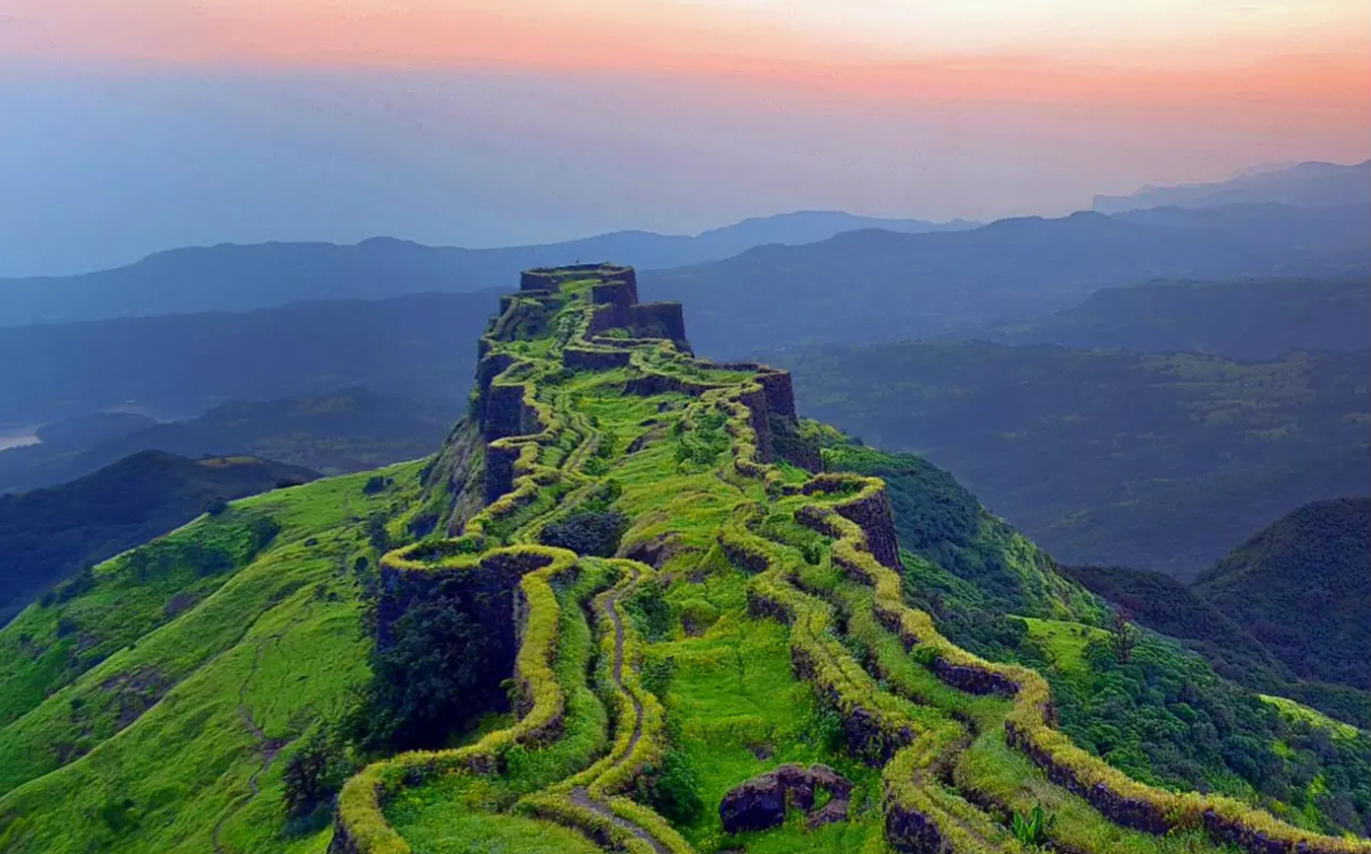
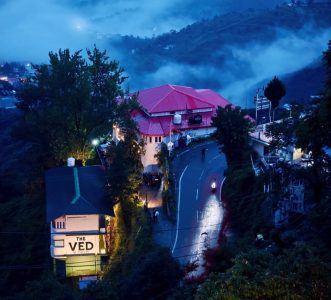
Pin Mussoorie Hills / Photo courtesy Omkar Kapoor
Synopsis: Perched in the Garhwal Himalayas, Mussoorie welcomes visitors with open arms and views that steal your breath away. For nearly two centuries, this cheerful mountain town has delighted travelers with its cool breezes, fragrant pine forests, and charming Victorian buildings. Sitting pretty at 6,000 feet, it offers stunning panoramas of the Doon Valley and glittering Himalayan peaks. From lively Mall Road cafes to peaceful Landour walks, every corner radiates happiness. It’s a place where families laugh together, couples find romance, and solo wanderers discover joy—truly deserving its title as India’s beloved Queen of Hills.
Plenty of towns claim they’re special, but Mussoorie actually delivers on the promise. The whole business started back in the 1820s when Captain Frederick Young, a British officer who’d had quite enough of the scorching Indian plains, wandered up these mountains and declared he’d found his slice of heaven. The man had good taste.
News of a cool, beautiful refuge spread faster than wildfire through the British ranks. Heat-weary officers and their families made the trek upward, and every single one of them reached the same delightful conclusion—this place possessed something the other hill stations simply couldn’t match. It wasn’t merely the temperature or the scenery. Some indefinable magic hung in the air.
Folks began calling it the Queen of Hills, and that nickname proved stickier than most. The reason was simple enough: the mountain town kept its word. Visitors arrived expecting beauty and found it waiting around every corner. The pine-scented breezes delivered coolness, the views stunned even the most jaded travelers, and the charm never wore thin.
Table of Contents
The Geography That Takes Your Breath Away
Mother Nature showed off when she created these mountains. Sitting at just over 6,000 feet above sea level, the town occupies a horseshoe-shaped ridge that offers views in practically every direction. To the north, the snow-capped Himalayan peaks stand like ancient guardians. To the south, the Doon Valley spreads out like a green carpet dotted with villages and rivers.
The geography creates microclimates that keep things interesting. One side of town might be draped in thick mist while the other basks in golden sunshine. Morning fog rolls through the valleys like cotton candy, then burns off to reveal crystal-clear skies. The altitude keeps temperatures pleasant year-round—cool enough to need a light jacket in summer, snowy enough for proper winter fun.
Key Geographic Features:
- Elevation: 6,170 feet above sea level
- Location: Dehradun district, Uttarakhand
- Mountain range: Garhwal Himalayas
- Nearest major city: Dehradun (35 km)
This natural setting creates postcard-perfect scenes without even trying. Every window frames a view worth photographing, and every walk reveals new angles of mountain majesty.
Mall Road—The Beating Heart
The Mall Road serves as the town’s lively main street, and it’s been that way since the British laid it out in the 1800s. This bustling promenade stretches for about 1.5 kilometers, packed with shops, cafes, and enough people-watching opportunities to fill an entire afternoon. It’s where locals and tourists mix, where deals get made, and where vacation memories start piling up.
Walking along Mall Road feels like stepping into a time machine with modern conveniences. Victorian-era buildings house contemporary bookstores and cafes. Street vendors sell roasted corn and momos alongside traditional Indian sweets. The sound of laughter mixes with Bollywood music and the occasional horse’s clip-clop on the pavement.
The eastern end, called Library Bazaar, gets particularly animated in the evenings. Families stroll, couples share kulfi, and groups of friends spill out of restaurants. There’s a joyful energy here that’s contagious—the kind that makes strangers smile at each other and forget their worries for a while. The road closes to vehicles in peak season, making it a pedestrian paradise where the journey matters more than any destination.
Landour—Where Peace Lives
Just above the main town, Landour offers something different—quietude. This cantonment area sits about 250 meters higher than the main bazaar, and that small climb makes a world of difference. The crowds thin out, the air gets crisper, and the pace of life slows to a gentle amble.
Writers and artists have long favored Landour’s peaceful lanes. Ruskin Bond, one of India’s beloved authors, has called this place home for decades, and it’s easy to see why. The oak and deodar trees create natural canopies over narrow walking paths. Colonial-era cottages peek through the greenery, their stone walls covered in ivy and memories. The only sounds are birdsong and wind through pine needles.
What Makes Landour Special:
- Char Dukan: Four tiny shops serving legendary tea and snacks
- Sister’s Bazaar: Small marketplace with old-world charm
- St. Paul’s Church: Gothic architecture from 1840
- Walking trails through dense forests
Visitors who make it up to Landour discover the hill station’s quieter soul. It’s where contemplation comes naturally and time seems to move at a kinder speed.
Kempty Falls—Nature's Water Park
About 15 kilometers from town, Kempty Falls has been drawing crowds since 1835 when a British officer developed it as a picnic spot. The waterfall cascades down from a height of 40 feet, creating a natural pool that’s become one of the region’s most photographed spots. The name apparently came from “camp tea,” which British folks used to enjoy here during their outings.
The falls look particularly magnificent during monsoon season when the water volume increases dramatically. The cascade crashes onto rocks below, sending up a cooling mist that feels glorious on a warm day. Visitors can actually get into the pool and experience the waterfall up close—though the water stays pretty chilly year-round thanks to its mountain source.
The surrounding area has developed into a small tourist hub with shops, changing rooms, and food stalls. Sure, it gets crowded on weekends and holidays, but there’s something infectious about the laughter and joy echoing off those rocks. Families splash around, kids squeal with delight, and everyone leaves with their spirits lifted. Sometimes the most popular spots earn their reputation honestly.
Gun Hill—The Sky-High Viewpoint
Gun Hill claims the title of the second-highest point in town, and the views from up there justify every bit of the climb—or cable car ride—to reach it. At 6,400 feet, this viewpoint offers 360-degree panoramas that photographers dream about. The Himalayan ranges spread across the northern horizon while the Doon Valley unfolds to the south.
The name has military origins. Back in the day, a gun positioned here would fire at noon to help residents set their watches. That tradition ended long ago, but the hilltop remains a gathering place for sunset chasers and view hunters. The cable car journey itself provides half the fun, dangling above the treetops while the landscape slowly reveals itself.
Best Times to Visit Gun Hill:
- Sunrise: Catch the first light hitting the snow peaks
- Sunset: Watch the valley turn golden
- Clear winter mornings: Best visibility of distant ranges
Up top, there’s a small amusement park area and shops selling souvenirs, but most folks come for the views. Standing there with mountain winds ruffling your hair and endless vistas spreading before you, the reasons for the town’s royal nickname become abundantly clear.
Lal Tibba—The Highest Perch
Lal Tibba sits at 7,464 feet, making it the highest point in the area. Located in the Landour cantonment, this spot offers even more dramatic Himalayan views than Gun Hill. On exceptionally clear days—which happen more often in winter—visitors can spot major peaks including Badrinath, Kedarnath, and Bandarpoonch.
The real treasure here is the telescope installed at the viewpoint. It’s been there for decades, and for a small fee, visitors can zoom in on distant snow peaks and valleys that would otherwise blur into the horizon. The operator knows these mountains like old friends and can point out specific peaks by name.
The area around Lal Tibba maintains an old-world charm that feels worlds away from the bustling bazaar below. A few cottages dot the hillside, prayer flags flutter in the breeze, and the air carries that special crispness found only at high altitudes. Visitors often describe the experience as meditative—just you, the mountains, and the vast sky meeting at the edge of everything.
The Colonial Architecture
Walking through town feels like flipping through a history book written in stone and wood. The British left behind dozens of buildings that still stand proud, their Gothic arches and Victorian flourishes preserved through careful maintenance. These aren’t museum pieces—many still function as schools, churches, libraries, and homes.
Christ Church, built in 1836, stands as one of the oldest churches in the Himalayan region. Its Gothic architecture features stained glass windows that throw colored light across wooden pews. The building has weathered earthquakes and storms, its stone walls testament to 19th-century craftsmanship. Sunday services still fill the hall with hymns that echo off vaulted ceilings.
Notable Colonial Buildings:
- Savoy Hotel: Historic luxury from 1902
- Wynberg Allen School: Prestigious boarding school since 1888
- Charleville Mansion: Gothic manor turned hotel
- Municipal Garden Library: Victorian-era reading room
These buildings add layers of character to the landscape. They remind visitors that this town has been welcoming travelers for nearly two centuries, and every brick and beam carries stories of summers past.
The Food Scene That Warms the Soul
Mountain air sharpens appetites wonderfully, and the local food scene rises to meet the challenge. The cuisine reflects the town’s diverse visitors—Tibetan momos share menu space with North Indian curries, Chinese noodles, and continental breakfast spreads. Street food vendors work their magic on every corner, filling the air with aromas that pull you in.
Momos reign supreme among street foods. These Tibetan dumplings, steamed or fried, come stuffed with vegetables, chicken, or cheese. Vendors serve them piping hot with spicy red chutney that clears sinuses and warms bellies. On chilly evenings, there’s nothing quite like standing at a street stall, steam rising from your plate, watching mountain mist roll through the valley below.
The cafes dotting Mall Road and Landour deserve special mention. Small, cozy spaces serve excellent coffee, homemade cakes, and comfort food that feels like a hug. Many have fireplaces that crackle cheerfully in winter. Sitting by a window with hot chocolate and a good book while rain patters outside—that’s the kind of simple pleasure this town does exceptionally well.
Adventure Activities for the Brave
The mountains around town offer more than pretty views—they provide playgrounds for adventure seekers. Paragliding operations have popped up in recent years, offering tandem flights that let visitors soar above the valleys like eagles. The takeoff points sit at higher altitudes, and the flights provide perspectives that hiking simply can’t match.
Trekking trails wind through these hills in every direction. The Nag Tibba trek attracts serious hikers looking for multi-day adventures, while shorter nature walks around Benog Tibba suit families and casual walkers. Each trail offers different rewards—some lead to waterfalls, others to remote temples, and many simply meander through forests so beautiful they don’t need destinations.
Popular Adventure Options:
- Paragliding: Tandem flights with experienced pilots
- Zip-lining: Several courses of varying difficulty
- Rock climbing: Natural rock faces with guided instruction
- Mountain biking: Trails through forests and valleys
Winter transforms the landscape into a snow playground. Nearby slopes become perfect for skiing and snowboarding, while the town itself turns into a winter wonderland. Snowball fights break out spontaneously, and hot pakoras taste even better when your fingers are cold.
Why the Crown Still Fits Today
Nearly two centuries after Captain Young built his first house here, the town continues earning its royal title fresh every season. Yes, it’s gotten more crowded. Yes, development has changed the skyline. But the essence remains—those views still stun, the air still refreshes, and the mountains still work their magic on weary souls.
The beauty lies not just in what nature provided but in how the town has evolved while respecting its heritage. Modern cafes operate in century-old buildings. New hotels blend into hillsides. The local community has learned to welcome visitors without losing its own identity. That balance proves surprisingly difficult to achieve, but this place manages it with grace.
What really keeps the crown polished is the feeling visitors carry away with them. Couples leave talking about returning for anniversaries. Families plan their next trip before finishing the current one. Solo travelers find themselves recommending the destination to strangers. The Queen of Hills doesn’t just rest on past glories—she creates new ones with every sunrise over those magnificent peaks, every laugh shared on Mall Road, and every moment of peace found in Landour’s quiet lanes.
FAQs
March to June offers pleasant temperatures (15-25°C), while September to November delivers clear mountain views and comfortable conditions.
About 290 km from Delhi. Drive via Dehradun (6-7 hours) or take a train to Dehradun, then taxi up (1.5 hours). The scenic mountain road is half the adventure!
Absolutely! Winter mornings offer the clearest views. Lal Tibba and Gun Hill provide the best vantage points for snow-capped peak sightings.
Yes! The main areas are accessible, though steep paths exist. Cable cars to Gun Hill help. Many hotels cater to families and seniors with comfortable amenities.
Light woolens even in summer (evenings get cool), comfortable walking shoes, sunscreen, and rain gear. Winter visitors need heavy jackets and warm layers!








 Login with Google