









 Pin
Pin Photo courtesy of Sebastian Masuda
Synopsis: Japanese theme parks craft entire universes where robots serve lunch, anime characters stroll past like old neighbors, and every corner hides something that makes you grin unexpectedly. Some folks travel halfway around the world just to stand in these queues, and honestly? They’re onto something. These aren’t your average carnivals with sticky floors and questionable hotdogs. These are places where grown adults forget about mortgages and deadlines, if only for an afternoon. Magic feels real here, and that’s worth the price of admission.
Walk into any Japanese theme park and you’ll notice it immediately—the attention to detail borders on obsessive. Every trash can matches the themed area. Staff members stay in character like their lives depend on it. Even the popcorn buckets become collectible art pieces that people actually take home and display.
The Japanese approach to entertainment runs deeper than surface-level fun. These parks blend cutting-edge technology with storytelling that tugs at your heartstrings. You’re not just riding a roller coaster; you’re living through a narrative that was probably workshopped for three years before opening day.
What sets these places apart is the respect for visitors. Lines move efficiently. Restrooms stay spotless. Nobody’s yelling at tired children. It’s organized chaos at its finest, and once you experience it, regular amusement parks back home feel a bit lacking.
Key differences:
- Immersive theming in every single corner
- Staff training that rivals hospitality schools
- Technology integration that feels natural, not gimmicky
- Cultural stories mixed with global appeal
Table of Contents
1. Tokyo Disneyland
 Pin
Pin Photo courtesy of Disney Enthusist
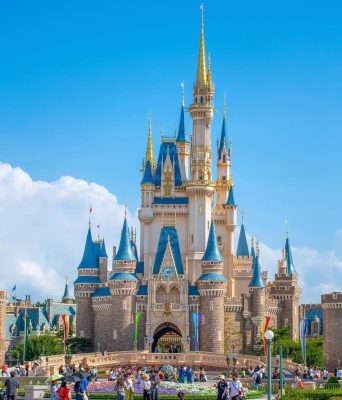
Tokyo Disneyland opened in 1983 and immediately proved that Americans don’t have a monopoly on pixie dust. This park takes everything you love about Disney and cranks up the quality control. The parades? More elaborate. The merchandise? Cuter than should be legally allowed. The crowds? Well, nobody’s perfect.
What makes this version special is how the Japanese embraced Disney’s vision while adding their own flavor. You’ll find seasonal decorations that would make Martha Stewart weep with envy. Character interactions feel genuine because the performers commit fully. Even the food—yes, theme park food—actually tastes good.
Cinderella’s Castle stands at the heart of it all, looking pretty much how you’d expect, except cleaner. The rides range from gentle boat tours to proper thrill rides, though nothing too extreme. Families dominate here, and you’ll see three generations laughing together on Dumbo, which honestly restores your faith in humanity a little.
Must-try experiences:
- Pooh’s Hunny Hunt with its trackless ride system
- Seasonal parades that change throughout the year
- Exclusive Japanese snacks you can’t get elsewhere
2. Tokyo DisneySea
 Pin
Pin Photo courtesy of Attraction360
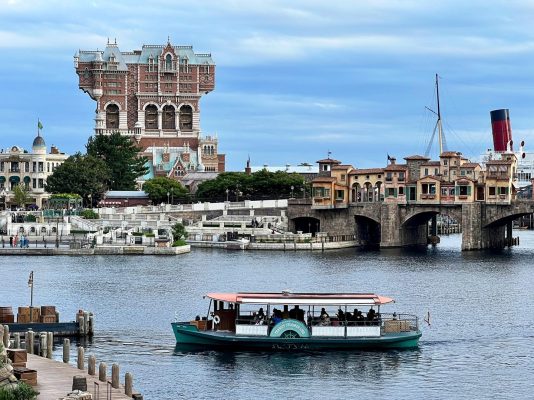
Right next door to Disneyland sits DisneySea, and this one’s the cooler older sibling. Built around nautical exploration themes, it’s the only Disney park of its kind worldwide. Adults flock here because it offers something rare: sophistication mixed with whimsy, plus alcohol.
Seven themed ports circle a massive lagoon, each one detailed enough to make architects weep. Mediterranean Harbor greets you with Venetian gondolas and Italian architecture. Mysterious Island takes you inside a volcano where Jules Verne’s stories come alive. The transitions between areas feel seamless, like wandering through different countries without the jet lag.
Journey to the Center of the Earth remains the crown jewel—a ride that builds tension beautifully before dropping you into darkness at high speed. Tower of Terror here has a completely different storyline from other versions, because why not create extra work for yourself? The Japanese way demands uniqueness.
DisneySea highlights:
- Volcanic fortress housing two major attractions
- Alcohol served in atmospheric bars
- Nautical theming executed to perfection
3. Universal Studios Japan
 Pin
Pin Photo courtesy of Junarorim Pandey
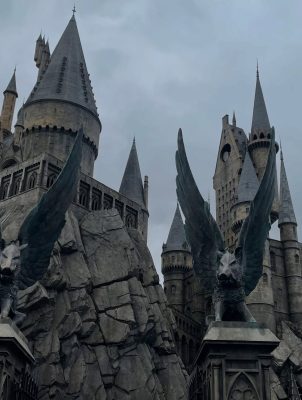
Osaka’s Universal Studios Japan proves that Hollywood can work in Japanese. Since opening in 2001, it’s become a heavyweight competitor, especially after adding The Wizarding World of Harry Potter. That section alone draws millions who want to drink Butterbeer and pretend they received their Hogwarts letter.
The park mixes Western intellectual properties with Japanese sensibilities beautifully. You’ll find Nintendo World here—a collaboration that makes perfect sense when you think about it. Mario Kart as a ride? They made it happen using augmented reality and practical effects that somehow don’t feel cheap.
Hollywood rides coexist with anime attractions, creating an odd but wonderful cultural mash-up. One minute you’re escaping dinosaurs, the next you’re helping Evangelion characters save Tokyo. The food ranges from standard theme park fare to surprisingly decent takoyaki from street vendors scattered throughout.
Top attractions:
- Super Nintendo World (arrive early)
- Harry Potter’s Forbidden Journey
- Universal Cool Japan seasonal events
4. Fuji-Q Highland
 Pin
Pin Photo courtesy of van0 tot baan
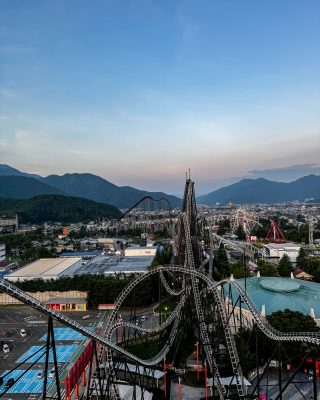
Sitting at Mount Fuji’s base, Fuji-Q Highland attracts a specific type of person: the kind who thinks regular roller coasters are boring. This park holds multiple world records for coaster extremes, and they’re oddly proud of making people scream until their throats hurt.
Takabisha features a 121-degree drop—meaning you’re falling past vertical. Fujiyama held the tallest coaster record for years. Dodonpa accelerates faster than most sports cars. These aren’t gentle family rides. These are engineering marvels designed by people who clearly have no fear of liability lawsuits.
Beyond coasters, they’ve got a haunted hospital that allegedly made someone pass out from fear. The walking trail takes an hour if you don’t chicken out halfway through. Mount Fuji looms over everything, providing a stunning backdrop for your potential regrets about that last ride.
Thrill-seeker essentials:
- Multiple world-record holding coasters
- One of Japan’s scariest haunted attractions
- Views of Mount Fuji from the top of rides
5. Sanrio Puroland
 Pin
Pin Photo courtesy of Sebastian Masuda
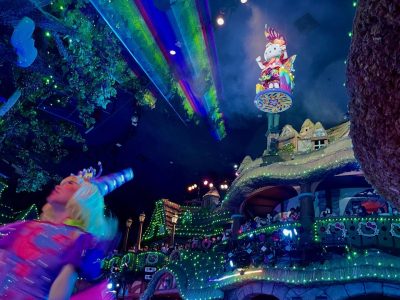
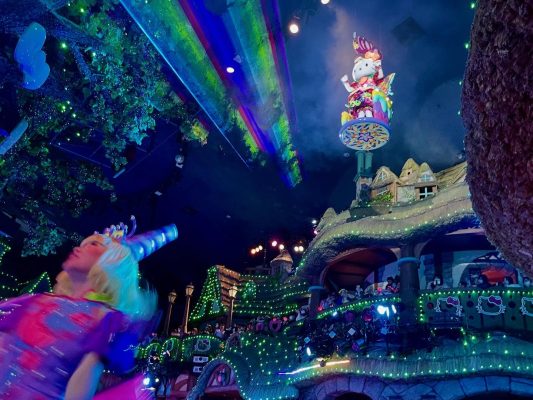
If Fuji-Q is for adrenaline junkies, Sanrio Puroland is for people who believe Hello Kitty deserves her own theme park. Located in Tokyo, this indoor wonderland celebrates kawaii culture with the intensity of a religious experience. Everything’s pink, soft, and aggressively adorable.
Hello Kitty naturally stars in most attractions, but her friends get their moments too. My Melody, Little Twin Stars, and Pompompurin all have dedicated areas. The musical shows feature surprisingly high production values—like Broadway decided to do something about cartoon characters, but actually tried.
Adults without children show up here, and nobody judges. The gift shops could bankrupt you if you’re not careful, selling merchandise that ranges from practical to “why would anyone need a Hello Kitty toaster?” The whole place feels like stepping into a fever dream had by a five-year-old girl, and that’s exactly the point.
Puroland perks:
- Indoor facility (weather-proof fun)
- Regular character meet-and-greets
- Shows with actual choreography and effort
6. Nagashima Spa Land
 Pin
Pin Photo courtesy of Diary of a Roller Coaster Girl
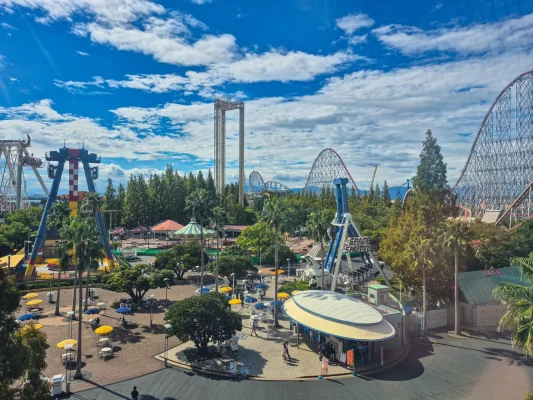
Nagashima Spa Land in Mie Prefecture doesn’t mess around with theming or stories. It focuses on what matters: big, scary roller coasters that make your stomach relocate to your throat. Steel Dragon 2000 stretches longer than any other coaster worldwide, and riding it feels like it lasts three days.
The park combines thrill rides with a genuinely good water park and hot springs next door. After screaming on coasters all morning, you can soak in an onsen and contemplate your life choices. This one-two combination of adrenaline and relaxation works better than it has any right to.
Families find plenty here too, though the big draws remain those towering steel structures. The park layout makes sense, everything stays clean, and the operations run smoothly. It lacks Disney’s polish but makes up for it with pure, unfiltered fun focused on rides rather than intellectual property.
Park features:
- Steel Dragon 2000’s insane length
- Adjacent water park and hot springs
- Solid variety of coaster types
7. Huis Ten Bosch
 Pin
Pin Photo courtesy of Anakjajan
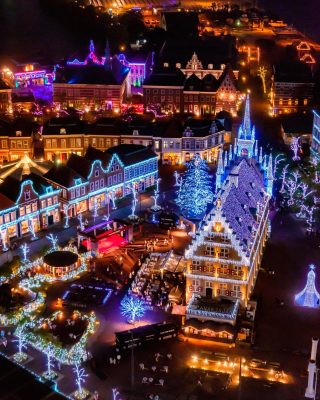
Huis Ten Bosch in Nagasaki recreates a Dutch town with such dedication that actual Dutch people find it weird. Windmills, canals, tulips, European architecture—it’s all here, thousands of miles from the Netherlands. The park spans massive acreage, making it less crowded than many alternatives.
This one takes a different approach than typical theme parks. It’s more about atmosphere and strolling than intense rides. Sure, they’ve added some attractions over the years, including VR experiences and a small coaster, but the main appeal remains the environment itself. People come here to relax, take photos, and pretend they’re in Europe without the expensive flight.
Seasonal events dominate the calendar. Spring brings millions of tulips. Winter features one of Japan’s largest illumination displays, transforming the place into a glowing wonderland. Summer has water activities. The variety keeps locals coming back throughout the year, and tourists stumble upon it as a pleasant surprise.
Unique aspects:
- European town replica with serious detail
- Massive seasonal illumination events
- Less focus on rides, more on atmosphere
8. Yokohama Cosmo World
 Pin
Pin Photo courtesy of Shigeki
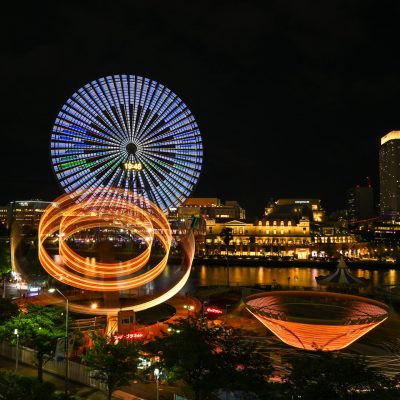
Yokohama Cosmo World sits right in the middle of Minato Mirai, offering city-center entertainment without the trek to suburbs. The giant Ferris wheel—Cosmo Clock 21—dominates the skyline and provides gorgeous bay views. This park splits into zones, and here’s the kicker: no admission fee. You only pay for rides you actually want.
The pay-per-ride model makes it perfect for casual visits. Maybe you just want the Ferris wheel and some photo opportunities. Maybe your kid insists on one specific ride. Either way, you’re not dropping full admission prices. The coaster selection includes Vanish, which dives through a building and over water.
Location makes this park special. You can combine it with shopping, dining, and sightseeing all in one day. The nighttime illumination turns everything romantic, making it popular with couples. Families show up during the day, couples take over at night, and everyone leaves happy.
Cosmo World advantages:
- No gate admission fee
- Central Yokohama location
- Iconic Ferris wheel
9. Tobu Zoo and Ghibli Park
 Pin
Pin Photo courtesy of Kazushi LV
Tobu Zoo combines animals with rides, which sounds weird but works. You can watch elephants in the morning and ride roller coasters after lunch. The hybrid model attracts people who can’t decide between a zoo and an amusement park, solving that dilemma decisively.
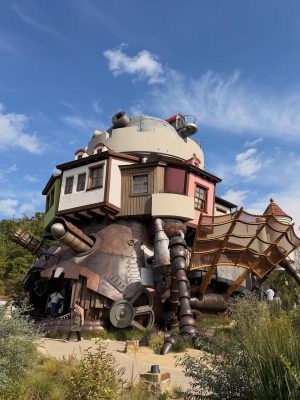
Meanwhile, Ghibli Park in Aichi Prefecture opened recently and immediately became a pilgrimage site for Miyazaki fans. Unlike typical theme parks, it avoids rides entirely. Instead, it recreates locations from Studio Ghibli films with painstaking accuracy. You can walk through the bathhouse from Spirited Away or visit Howl’s castle.
Ghibli Park requires reservations and limits visitors, keeping crowds manageable. The approach prioritizes immersion over commercialization, though the gift shops still exist because bills need paying. It’s contemplative rather than exciting, appealing to people who want to live inside their favorite films for a few hours.
What makes them different:
- Tobu’s unusual zoo-ride combination
- Ghibli’s film-accurate environments
- No traditional rides at Ghibli Park
10. Yomiuriland
 Pin
Pin Photo courtesy of Michelles Japan Diary
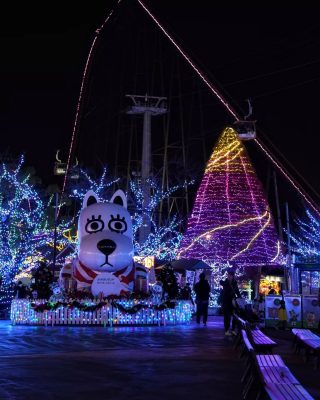
Yomiuriland sits just outside central Tokyo and transforms completely depending on when you visit. Summer brings pool attractions and water slides. Winter unleashes Jewellumination—one of Japan’s largest light displays with millions of LED bulbs turning the park into a glowing fantasy world. The seasonal shifts give you four different parks in one location.
The coaster collection includes Bandit, which tears through the surrounding forest at high speeds. Newer additions like the spinning coaster and various family rides balance the lineup nicely. Nothing here breaks world records, but everything works reliably and entertains without gimmicks. Solid execution beats flashy failures every time.
What sets Yomiuriland apart is accessibility combined with quality. You can reach it easily from Tokyo, spend a full day enjoying yourself, and leave without feeling like you missed the “real” attractions somewhere else. It’s a proper theme park that doesn’t rely on famous characters or intellectual property to justify its existence.
Yomiuriland highlights:
- Jewellumination winter light festival
- Forest coasters with natural scenery
- Good variety of ride intensities
- Easy access from Tokyo
11. Legoland Japan
 Pin
Pin Photo courtesy of Nihon Blue Butterfly
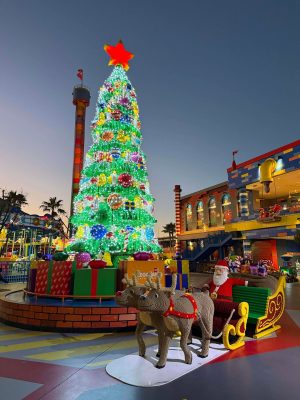
Nagoya’s Legoland Japan opened in 2017 and targets families with younger children specifically. Everything’s built to kid-scale, meaning your six-year-old actually feels tall for once. The rides stay gentle, the colors pop, and miniature Lego recreations of Japanese landmarks impress even adults who pretend they’re too cool for plastic bricks.
Miniland remains the star attraction—famous Asian cities rebuilt entirely from Lego blocks. Tokyo, Kyoto, Osaka all get miniaturized with details that boggle the mind. Someone spent months building these, probably going slightly insane in the process. The craftsmanship deserves respect even if you’re not particularly into Lego.
This park gets criticism for being smaller than other Legolands worldwide, but that actually works for families with little ones. You can cover everything in a day without exhausting everyone. The adjacent Sea Life aquarium adds marine life to the mix, and the whole resort area keeps expanding with hotels and attractions.
Legoland highlights:
- Miniland’s incredible brick architecture
- Age-appropriate for younger kids
- Less overwhelming than mega-parks
12. Nijigen no Mori
 Pin
Pin Photo courtesy of Lindsey Mengle
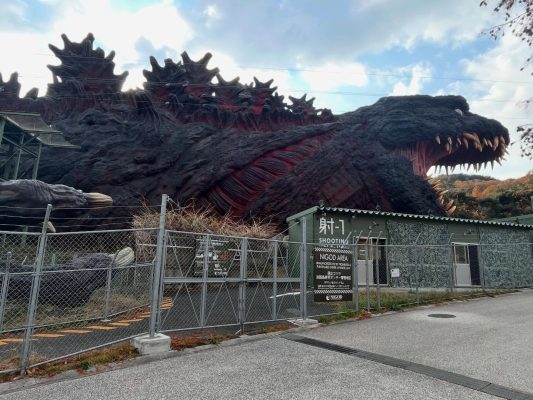
On Awaji Island, Nijigen no Mori spreads anime attractions across a forested park. The name literally means “2D Forest,” and it delivers exactly that—flat characters living in three-dimensional nature. Naruto, Godzilla, and Crayon Shin-chan all have dedicated areas where you zip-line, solve puzzles, or run from giant monsters.
The outdoor setting makes this place unique. You’re hiking through forests, climbing nets between trees, and getting genuine exercise while playing. It’s less “sit in a cart and look at animatronics” and more “physically participate in the story.” Your legs will remind you about it the next morning.
Night attractions add another layer, with illuminated trails and special effects that work better in darkness. The Godzilla attraction lets you walk through a massive sculpture of the monster, then zip-line into its body. It’s absurd and brilliant simultaneously, which pretty much sums up Japanese theme park philosophy.
Outdoor adventure perks:
- Forest setting with fresh air
- Physical attractions that double as exercise
- Unique anime IP implementations
- Night experiences with special lighting
13. Kamogawa Sea World
 Pin
Pin Photo courtesy of Renu Pandey
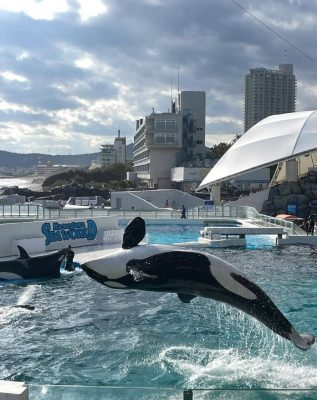
Kamogawa Sea World in Chiba blends aquarium with theme park, focusing heavily on marine animal shows. The orca performances draw massive crowds, though opinions on captive whales vary wildly. Setting that debate aside, the trainers here demonstrate skill levels that border on telepathic communication with these animals.
Beluga whales, sea lions, and dolphins all get their moments in dedicated shows throughout the day. The facilities look modern and well-maintained, suggesting the animals get decent care. Interactive experiences let you feed sea lions or touch starfish, which kids love until something unexpectedly slimy happens.
The location offers ocean views and works well as a full-day trip from Tokyo. It’s less crowded than major theme parks, and the educational component actually teaches you things about marine ecosystems. You’ll leave knowing more about ocean conservation, even if you just came for the cute sea lions doing tricks.
Marine park features:
- Multiple daily animal shows
- Ocean-view location
- Educational programs for kids
- Interactive touch pools
14. Tokyo Dome City
 Pin
Pin Photo courtesy of Japan Walker
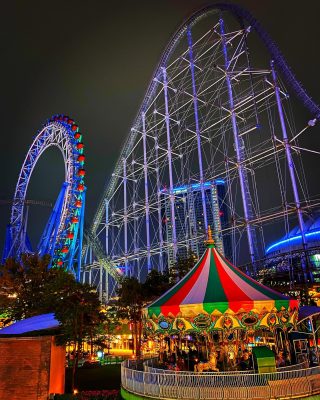
Tokyo Dome City wraps entertainment around a famous baseball stadium in central Tokyo. The Thunder Dolphin coaster weaves through buildings and actually pierces the Big O Ferris wheel, because normal coaster paths apparently bore Japanese engineers. The urban setting creates a futuristic vibe that feels distinctly Tokyo.
No admission gate means you wander freely, paying only for attractions you want. This setup works perfectly for groups with different interests. Some people ride coasters while others shop or eat. Everyone meets up later without someone feeling forced onto rides they hate.
The complex includes everything: arcade, spa, hotel, shopping mall, and even a baseball stadium. You could literally spend three days here without leaving the area. It’s entertainment density at its finest, maximizing every square foot of expensive Tokyo real estate.
City attraction benefits:
- Central Tokyo location
- No gate admission
- Coaster threading through buildings
- Combined with shopping and dining
15. Space World's Legacy and E-World
 Pin
Pin Photo courtesy of Themepark.inc
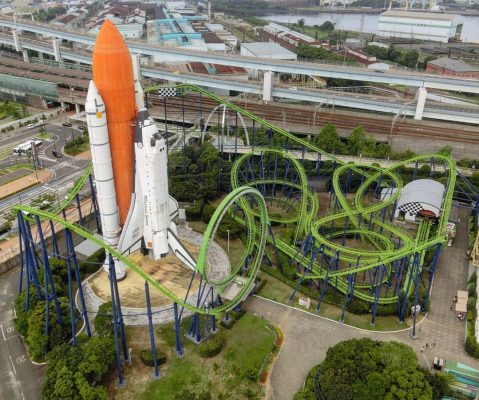
Space World in Kitakyushu closed in 2017, but it deserves mention because its space theme influenced Japanese park design significantly. At its peak, it offered NASA-inspired attractions and simulators that felt genuinely educational. The closure reminded everyone that theme parks need constant reinvestment to survive.
Rusutsu Resort in Hokkaido fills the void for northern visitors, offering rides plus skiing depending on season. The dual-purpose model makes sense economically—different revenue streams for different times of year. Summer brings families for coasters, winter brings skiers and snowboarders.
These parks prove that theming matters, but so does location and timing. A space-themed park sounds cool until everyone’s visited once and moved on. Meanwhile, parks that offer seasonal variety or tie into existing tourism patterns tend to stick around longer. Basic business sense wins eventually.
Lessons from closed/seasonal parks:
- Constant innovation keeps parks alive
- Seasonal dual-purpose models work well
- Location matters as much as theming
16. Harmonyland
 Pin
Pin Photo courtesy of Julia & Marius
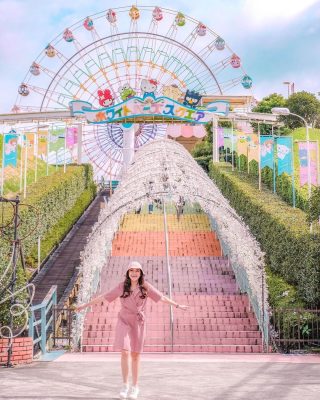
Down in Oita Prefecture, Harmonyland serves as Sanrio’s outdoor park counterpart to Tokyo’s Puroland. Hello Kitty and friends appear here too, but with more green space and fresh air. The mascot parades happen outside with actual sunlight, which Puroland visitors never experience.
Rides stay family-friendly, focusing on younger audiences who still believe in the magic of cartoon cats. The boat rides, gentle coasters, and character shows create a full day of entertainment without anything too intense. Parents appreciate that their kids won’t have nightmares, just dreams about befriending fictional characters.
The location makes it a destination for Kyushu residents rather than Tokyo tourists, which keeps crowds manageable. Combined with nearby hot springs and nature, it works as part of a larger family vacation. The regional approach means fewer international visitors and more local families making annual trips.
Harmonyland specifics:
- Outdoor Sanrio experience
- Located in Kyushu region
- Less crowded than Puroland
- Family-focused attractions
17. LaQua and Joypolis
 Pin
Pin Photo courtesy of Tokyo Joypolis
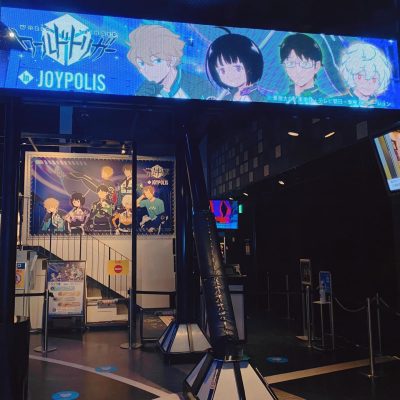
Tokyo Joypolis in Odaiba brings Sega’s gaming expertise to a theme park format. Multiple floors house VR experiences, simulators, and arcade-style attractions. It’s completely indoors, making it perfect for rainy days or when summer heat becomes unbearable. The gaming company background shows—everything feels like an interactive video game.
LaQua at Tokyo Dome City offers similar indoor advantages with spa additions. You can ride coasters in the morning, then soak in hot baths by afternoon. This combination appeals to adults who want entertainment without spending all day outdoors. The spa section actually rivals standalone onsen facilities in quality.
Indoor parks solve Japan’s weather unpredictability. Summer humidity, winter cold, and typhoon season all become irrelevant when everything happens inside climate-controlled buildings. The trade-off? You miss natural scenery and fresh air, but sometimes air conditioning matters more than authenticity.
Indoor park advantages:
- Weather-proof entertainment
- Year-round comfort
- VR and simulation focus
- Urban accessibility
18. Adventure World
 Pin
Pin Photo courtesy of Adventure World Official
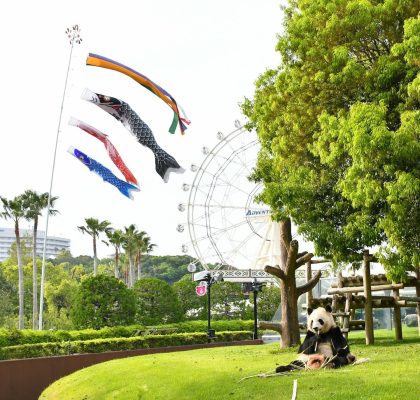
Adventure World in Wakayama combines safari park, marine park, and amusement park into one massive facility. Pandas live here—real ones, not people in costumes—making it one of few places in Japan where you can see these rare animals. The breeding program actually works, producing baby pandas that instantly become national celebrities.
Safari sections let you drive through or take guided tours past lions, giraffes, and other animals living in reasonably spacious enclosures. Marine shows feature dolphins and sea lions doing their trained routines. Then rides and attractions fill out the remaining space, creating an odd but functional combination.
The variety means different family members can enjoy different things throughout the day. Animal lovers get their fix, thrill-seekers find rides, and everyone compromises without anyone feeling totally disappointed. This jack-of-all-trades approach works better than it probably should.
Adventure World variety:
- Giant pandas and breeding program
- Safari drive-through experience
- Marine animal shows
- Traditional park attractions
19. Ashikaga Flower Park
 Pin
Pin Photo courtesy of Visit Japan International
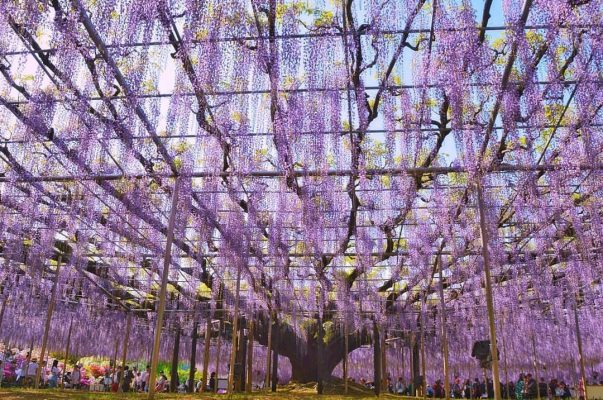
Ashikaga Flower Park in Tochigi Prefecture proves that theme parks don’t always need rides to draw crowds. The wisteria tunnels here became so famous that CNN named them one of the world’s dream destinations. Purple, pink, and white flowers cascade overhead like nature decided to show off its interior design skills.
The Great Wisteria tree stretches over 1,000 square meters and blooms each spring with thousands of hanging flower clusters. Walking underneath feels like entering a fairy tale, except the flowers are real and the experience doesn’t require any imagination. Winter brings illumination displays that rival dedicated theme parks, using millions of lights to transform gardens into glowing landscapes.
Seasonal rotations keep the park relevant year-round. Spring means wisteria and azaleas. Summer brings roses and water lilies. Autumn delivers chrysanthemums and fall colors. Winter’s light festival runs for months. Each visit offers something completely different, making annual passes actually worthwhile instead of just hopeful thinking.
Flower park features:
- World-famous wisteria displays
- Massive winter illumination events
- Year-round seasonal flower rotations
- Photography paradise for plant lovers
20. Seasonal Pop-Up Parks and Special Events
 Pin
Pin Photo courtesy of Awadori Luke
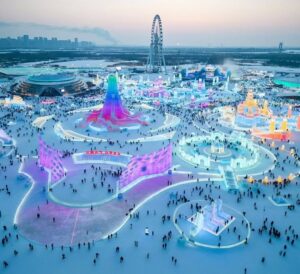
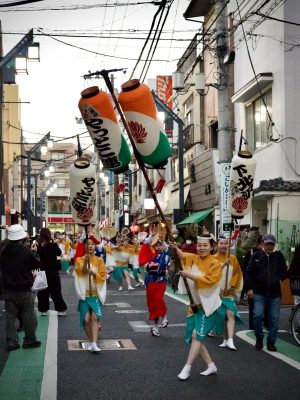
Japan takes seasonal events seriously, and temporary theme parks pop up throughout the year. Summer brings water parks and beer gardens. Winter creates illumination parks that transform regular spaces into light wonderlands. These temporary installations often rival permanent parks in quality and effort.
Christmas markets appear in November, recreating European winter festivals with Japanese precision. Halloween events at Universal Studios and Tokyo Disney grow more elaborate annually. Even cherry blossom season turns parks into temporary wonderlands when sakura trees bloom.
The seasonal approach keeps things fresh and gives people reasons to return multiple times yearly. Different experiences emerge from the same physical space depending on what month you visit. It’s smart business and genuine entertainment rolled together, creating anticipation that lasts all year.
Seasonal highlights:
- Winter illumination events nationwide
- Summer water park pop-ups
- Halloween transformations at major parks
- Cherry blossom special viewing areas
FAQs
Most major parks have English signage and staff, plus smartphone apps translate menus. You’ll manage fine with basic phrases and gestures.
Weekdays during school terms work best. Avoid Japanese holidays, especially Golden Week and Obon. Early mornings beat afternoon rushes.
Admission ranges ¥4,000-¥9,000 ($30-$70). Food costs more inside parks. Multi-day passes and advance tickets online save money.
Most parks prohibit outside food except baby supplies or medical needs. Tokyo Disney allows some exceptions. Check individual park policies first.
Disney uses a paid system now. Universal offers Express Passes. Smaller parks use simpler queuing. Download park apps before visiting for real-time updates.





 Login with Google