











 Pin
Pin Courtesy of Grace Chin
Synopsis: Awaji Island sits calmly between Japan’s main islands, growing onions known for their gentle taste and clean finish. The flavor isn’t loud or sharp. It feels settled. This article looks at how the island’s geography, soil, weather, and food culture work together to shape that character. Through local farming choices and everyday cooking habits, Awaji shows how patience can change even the most ordinary ingredient into something quietly special.
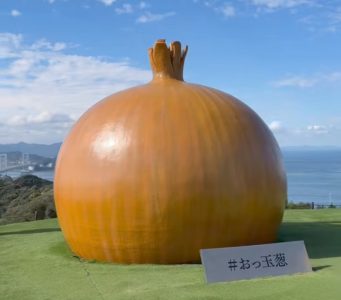
Awaji Island lies between Honshu and Shikoku, surrounded by the steady waters of the Seto Inland Sea. Life here doesn’t feel hurried. Fields stretch openly, and farms follow seasons rather than schedules. This calm rhythm shapes everything that grows here, including the onions that made Onion Island a familiar name across Japan.
The climate rarely turns extreme. Summers are warm but softened by sea air. Winters stay mild, allowing crops to rest instead of struggle. Onions mature slowly, building sweetness day by day instead of reacting to stress.
Local farmers often say good flavor comes from balance. Not too much water. Not too little sun. When land and weather cooperate, vegetables don’t need force. They simply grow into themselves.
Table of Contents
Soil That Carries the Sea Inside It
 Pin
Pin Courtesy of Grace Chin
Awaji’s soil holds more than nutrients. It carries memory. Centuries of volcanic activity mixed with minerals from nearby waters created ground that feels dense but alive. When onions push roots into it, they pull trace elements that quietly shape taste.
Unlike lighter soils that drain too quickly, this earth holds moisture just long enough. The onions stay hydrated without becoming watery. That balance allows natural sugars to form steadily instead of all at once.
Farmers rarely describe the soil in technical terms. They talk about feel. How it breaks in the hand. How it smells after rain. These small signs guide planting decisions more than charts ever could.
Why Slower Growth Changes Flavor
 Pin
Pin Courtesy of World Traveller JP
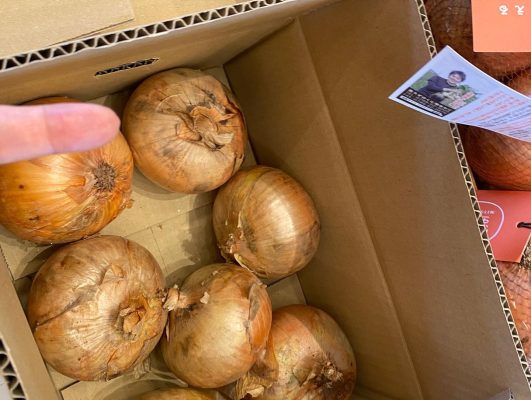
Fast growth creates size. Slow growth creates depth. On Awaji, onions are given time. Seeds go into the ground with long expectations, not quick returns. The growing cycle stretches gently, often longer than in other regions.
This extra time allows sugars to develop fully. Sharp sulfur notes soften. The bite people associate with raw onions becomes less aggressive. Cooking only deepens that sweetness instead of covering bitterness.
In many kitchens, these onions are sliced raw without soaking. That alone says something. When a vegetable doesn’t need correction, it’s already done its job well.
Farming Without Forcing the Land
 Pin
Pin Courtesy of World Saltylogue
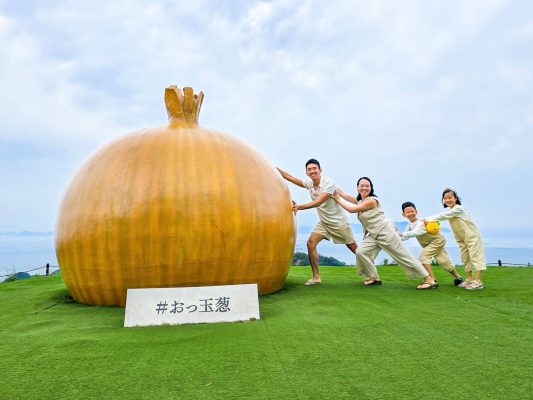
Many Awaji farms are family-run, passed down through generations. Methods change slowly here. Chemical inputs are used carefully, sometimes avoided altogether. The focus stays on soil health rather than speed.
Fields rotate crops to keep nutrients balanced. Composting remains common. Some farmers still rely on observation more than equipment, adjusting planting by how the season feels rather than how it’s predicted.
This approach doesn’t produce the biggest onions every year. But it produces consistency. And in food, consistency builds trust.
The Role of Sea Air and Gentle Winds
The Seto Inland Sea surrounds Awaji like a buffer. Winds arrive soft and regular, reducing humidity buildup in the fields. This lowers disease risk and keeps onion skins dry and clean.
Salt carried in the air settles lightly on the land. Not enough to season crops directly, but enough to influence soil chemistry over time. It’s subtle, but flavor often is.
Even after harvest, the air matters. Drying sheds use natural airflow, helping onions cure slowly and evenly. No rushing. No shortcuts.
How Locals Cook Without Hiding Flavor
Awaji kitchens don’t drown onions in spice. They let them speak. Thin slices soften into broths. Thick wedges roast until edges caramelize naturally.
Common uses include:
- Clear soups with minimal seasoning
- Slow-cooked stews
- Simple pan cooking with oil and salt
When ingredients are trusted, recipes become quieter. The onion doesn’t need decoration. It carries the dish.
Why These Onions Feel Easier to Eat
Many people mention comfort before flavor. The onions feel lighter. Less harsh. Less likely to linger. That gentleness comes from lower sulfur intensity built during slow growth.
For some, this means fewer tears while cutting. For others, it means enjoying raw slices without regret later. It’s a small difference that becomes meaningful once noticed.
Food that feels kind to the body often comes from land treated with similar care.
Harvest Seasons That Shape the Market
Harvest begins in late spring and continues into early summer. Timing matters. Pulling onions too early sacrifices sweetness. Too late risks softness.
Local markets wait patiently. When the season arrives, the onions appear almost glossy, pale in color, firm but yielding. Buyers recognize them instantly without labels.
Seasonality keeps demand honest. When something is only available for a short window, it’s appreciated more deeply.
How Reputation Spread Without Noise
Awaji never relied on loud promotion. Restaurants noticed first. Then home cooks. Then travelers who tasted something simple done well.
Word spread quietly through kitchens, not campaigns. Chefs requested these onions by origin. Shoppers looked for familiar shapes and skins.
Respect grew not because the onions were rare, but because they were reliable.
Food as a Reflection of Place
Awaji’s onions reflect the island itself. Calm. Balanced. Unshowy. Nothing about them tries to impress quickly.
They carry the rhythm of sea winds, patient soil, and people who don’t rush meals. Each bite feels grounded, as if reminding you that food doesn’t need drama to matter.
Sometimes, the most memorable flavors are the ones that don’t shout.
FAQs
They grow slowly in mineral-rich soil with mild weather, allowing natural sugars to develop without stress.
Yes. Many people enjoy them raw because the bite is softer and less sharp than typical onions.
Late spring to early summer is peak season, when sweetness and texture are at their best.
Most rely on careful soil management and restrained inputs, focusing on balance rather than speed.
Lower sulfur intensity and slow growth reduce harshness, creating a calm, rounded taste.








 Login with Google