
























 Pin
Pin Polish Chicken / Courtesy of Time Lapse Dreamer
Synopsis: Not all chickens are created equal. While most backyard hens cost $3 to $30, some rare breeds command eye-watering prices reaching into the thousands. These premium chickens aren’t just for eggs or meat—they’re prized for exotic looks, ancient lineages, and remarkable genetics. Collectors, breeders, and enthusiasts pay serious money for birds with unique feather patterns, rare colors, or champion bloodlines. Here’s your guide to the world’s priciest poultry, complete with stunning photos and the fascinating reasons behind their luxury price tags.
The backyard chicken craze has evolved beyond fresh eggs and pest control. Today’s poultry enthusiasts treat rare breeds like living art, and they’re willing to pay accordingly. The 15 most expensive chicken breeds (with pictures) showcase how genetics, rarity, and beauty drive astronomical prices in the poultry world.
What makes a chicken expensive? It’s not just about laying eggs. Breeders look for perfect color patterns, unique feather structures, and bloodlines that trace back decades. A single bird with champion genetics can sell for $2,000 or more, while exceptional specimens have fetched over $10,000 at auctions.
The market for premium chickens has grown steadily. Social media fuels demand as people share photos of their stunning flocks. Rare breeds with limited populations become even more valuable as collectors compete for the best specimens. For serious breeders, these birds represent both passion and investment.
Table of Contents
1. Ayam Cemani
 Pin
Pin Courtesy of Tales by Sarang
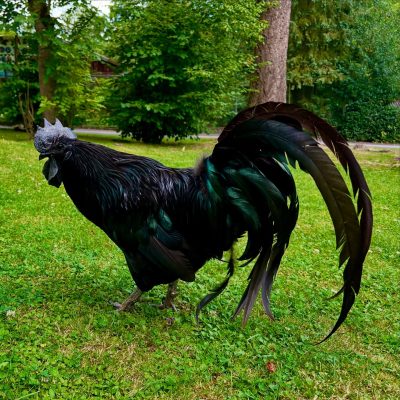
The Ayam Cemani looks like it walked straight out of a dark fantasy tale. This Indonesian breed is entirely black—feathers, skin, meat, organs, even its bones. The rare genetic condition called fibromelanosis creates this striking appearance, making them one of the most sought-after breeds worldwide.
Prices for Ayam Cemani range from $200 for chicks to $2,500 for breeding-quality adults. Their mystique goes beyond appearance. In Indonesian culture, they’re considered magical birds with spiritual significance. Collectors prize them for their unusual genetics and dramatic looks.
These chickens aren’t just pretty faces. They’re decent layers, producing around 80 cream-colored eggs yearly. Their personality is calm and friendly, making them good additions to backyard flocks. However, finding genuine Ayam Cemani requires careful research, as many sellers offer crossbreeds at inflated prices.
Key Facts:
- Origin: Indonesia
- Average price: $200-$2,500
- Distinctive feature: All-black everything
- Egg production: 80 eggs/year
2. Kadaknath
 Pin
Pin Courtesy of Mayur Sharma
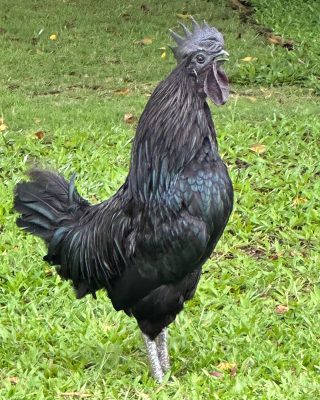
Meet India’s contribution to luxury poultry. The Kadaknath shares the all-black trait with Ayam Cemani but comes from completely different genetics. Native to Madhya Pradesh, this breed has been raised by tribal communities for centuries and recently gained protected status.
What sets Kadaknath apart is its meat. Rich in protein and low in fat, it’s considered a delicacy in Indian cuisine. The black meat has a unique, gamey flavor that food enthusiasts seek out. Quality breeding stock costs $150 to $1,000, with exceptional birds commanding higher prices.
These hardy chickens adapt well to various climates and resist diseases better than many commercial breeds. They lay fewer eggs—around 80 per year—but each one is packed with nutrients. The breed’s cultural importance and health benefits drive demand both domestically and internationally.
Health Benefits:
- High protein content (25%)
- Lower cholesterol than regular chicken
- Rich in iron and vitamins
- Traditional medicinal uses
3. Dong Tao
 Pin
Pin Courtesy of Global Community Reporters
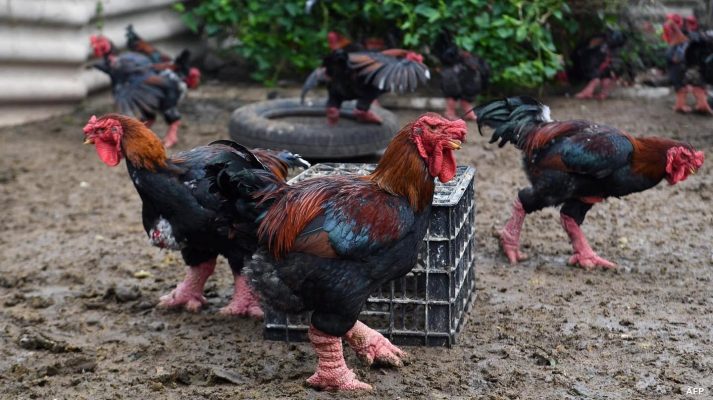
The Dong Tao chicken looks prehistoric. Its legs are as thick as a human wrist, covered in scales that resemble dragon skin. This Vietnamese breed was historically raised exclusively for royalty, and today it remains one of Asia’s most expensive chickens, selling for $1,000 to $2,500.
These massive birds take eight months to reach full size, much longer than standard chickens. Their slow growth and difficulty breeding keep numbers low. The hens are notoriously bad mothers, and the thick legs make natural hatching challenging. Breeders must carefully manage reproduction to maintain healthy flocks.
Despite their intimidating appearance, Dong Tao chickens are gentle giants. They produce excellent meat with a firm texture prized in Vietnamese cuisine. Their rarity outside Vietnam makes them extremely valuable to international collectors who want something truly unique in their breeding programs.
4. Swedish Black Hen (Svarthöna)
 Pin
Pin Courtesy of My Favourite Chicken
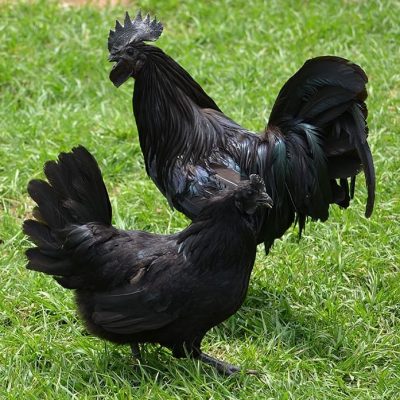
Sweden’s Svarthöna might look similar to other black breeds, but don’t be fooled. This ancient Scandinavian chicken developed naturally over centuries, adapting to harsh Nordic winters. With only about 500 breeding birds worldwide, they’re critically endangered and command prices from $100 to $1,500.
The breed nearly vanished in the 1970s when industrial farming took over. Dedicated conservationists saved it from extinction, but recovery has been slow. Their scarcity makes them precious to heritage breed enthusiasts who work to preserve genetic diversity in poultry.
Svarthöna chickens are tough survivors. They forage well, handle cold beautifully, and lay around 180 white eggs annually—impressive for an ornamental breed. Their glossy black plumage with green iridescence makes them stunning in any flock. For breeders focused on conservation, they represent a living piece of agricultural history.
5. Orust
 Pin
Pin Courtesy of Johnny Kääpä
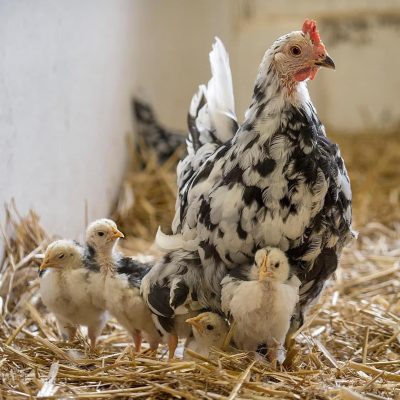
Another Swedish rarity, the Orust chicken nearly disappeared entirely. In the 1980s, fewer than 50 birds remained. Today, careful breeding has increased numbers, but they’re still critically rare. Quality birds sell for $150 to $800, with champion bloodlines fetching more.
This breed developed on Sweden’s Orust island, where isolation created unique characteristics. They’re medium-sized birds with beautiful plumage in various colors. What makes them special is their dual-purpose nature—good egg layers producing around 200 eggs yearly while also providing quality meat.
Orust chickens show remarkable intelligence and foraging ability. They’re active, alert, and excellent at finding their own food. For homesteaders wanting heritage genetics combined with practical production, they’re ideal. Their endangered status adds urgency to preservation efforts, making each bird valuable beyond its price tag.
6. Bresse
 Pin
Pin Courtesy of Yelena
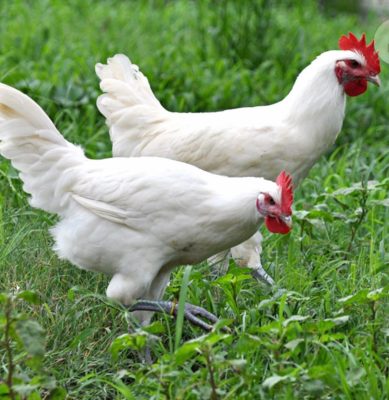
The Bresse holds a unique distinction: it’s the only chicken with an Appellation d’Origine Contrôlée (AOC), the same protected status given to champagne. Raised in France’s Bresse region under strict regulations, these birds are considered the finest eating chickens in the world. Breeding stock costs $80 to $500.
What makes Bresse chicken extraordinary is the flavor. The meat has a delicate, almost nutty taste with fine texture. French chefs pay premium prices for Bresse chickens at market—sometimes $50 per pound. The birds must be raised with specific feed, space requirements, and finishing periods to earn the AOC label.
True Bresse chickens are white with blue legs and red combs—the colors of the French flag. They’re excellent foragers and grow to good size on free-range diets. Outside France, breeders raise similar chickens called “Bresse-style” or “American Bresse,” but only French-raised birds can legally carry the protected name.
7. Liège Fighter
 Pin
Pin Courtesy of Ivan
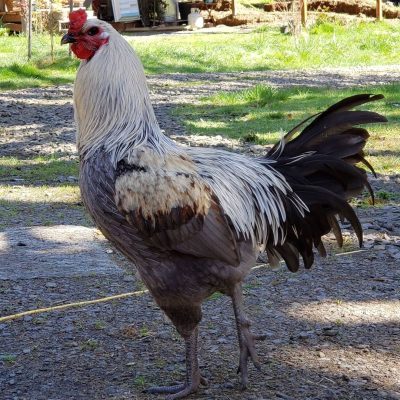
Don’t let the name fool you—modern Liège Fighters are raised for shows, not fighting. This Belgian breed descends from gamefowl but has been bred for appearance and size for decades. Their muscular build and upright posture make them impressive birds. Quality specimens sell for $100 to $600.
These chickens are large and athletic with tight feathering that shows off their muscular frame. They come in various colors, with each color variety carefully maintained by specialized breeders. The breed standard is exacting, and only birds meeting strict criteria command top prices.
Liège Fighters have confident, bold personalities. They’re not aggressive but definitely assertive, especially roosters. They need plenty of space to roam and show off their natural behaviors. For exhibition breeders, they offer the challenge of achieving perfect type combined with the satisfaction of preserving a historic European breed.
8. Brahma
 Pin
Pin Courtesy of Ngura poultry care
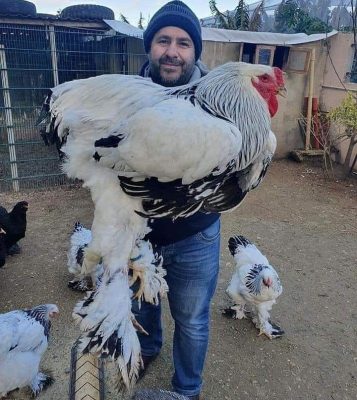
The Brahma isn’t the rarest breed, but top-quality show birds with champion genetics sell for $100 to $800. These massive chickens originated in Asia and were developed in America during the 1800s. At their peak popularity, a pair of Brahmas sold for $150—equivalent to over $5,000 today.
These birds are huge. Roosters can weigh 12 pounds or more, with hens reaching 9-10 pounds. Their feathered feet and gentle temperament make them popular with families. Despite their size, they’re calm, friendly, and easy to handle. They lay well for large birds, producing around 150 brown eggs yearly.
The appeal of Brahmas goes beyond size. Their intricate feather patterns—especially in Light and Dark varieties—require careful breeding to perfect. Show-quality birds with correct type, color, and feathering command premium prices. For breeders pursuing excellence in this classic breed, genetic quality matters more than quantity.
Brahma Varieties:
- Light Brahma (white with black hackle)
- Dark Brahma (complex penciling pattern)
- Buff Brahma (rich golden color)
9. Serama
 Pin
Pin Courtesy of Pigeons Lovers of all kinds
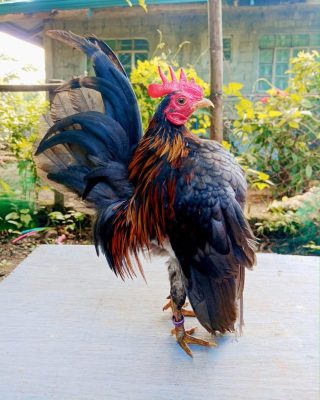
The world’s smallest chicken breed packs serious value into a tiny package. Serama chickens stand just 6-10 inches tall and weigh under 500 grams. These Malaysian bantams have exploded in popularity, with top show-quality birds selling for $200 to $2,500.
Size matters in Serama breeding, but not how you’d think. The smallest birds aren’t always most valuable—it’s about proportion, posture, and personality. Champions stand almost vertical with prominent chests and confident attitudes. Breeders spend years developing perfect specimens, with each generation getting closer to the ideal.
These miniature chickens work well in small spaces, making them perfect for urban chicken keepers. They’re friendly, personable, and can even be kept indoors (though not ideal). Hens lay tiny eggs frequently, and roosters crow softly compared to standard breeds. Their portable size and big personalities make them addictive to collect.
10. Cream Legbar
 Pin
Pin Courtesy of CHICKENS
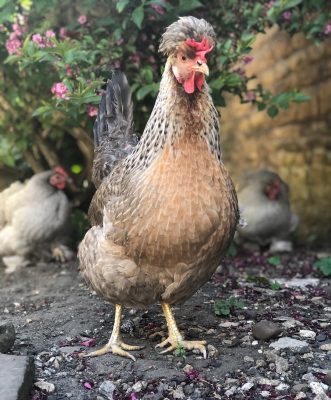
Cream Legbars combine beauty, rarity, and practical benefits. Developed in Britain during the 1930s, they’re auto-sexing—you can tell males from females at hatching by color. They lay gorgeous blue eggs and have charming crests. Quality birds range from $50 to $400, with show and breeding stock commanding higher prices.
The blue egg gene makes them valuable to backyard flock owners who want colorful egg baskets. They’re excellent layers, producing 180-200 eggs yearly. Their active, friendly temperament and striking appearance—silvery blue-gray plumage with cream highlights—make them both productive and ornamental.
Finding quality Cream Legbars requires patience. Many hatchery versions don’t meet breed standards or lay pale eggs instead of true blue. Serious breeders focus on egg color intensity, correct type, and good production. As demand for specialty eggs grows, these chickens become increasingly valuable to small-scale egg producers and homesteaders.
11. Marans
 Pin
Pin Courtesy of Heiko Tereschenko
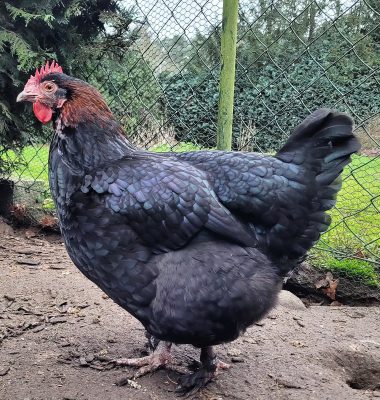
French Marans lay eggs so dark they look like chocolate. This single trait has made them extremely popular and driven prices for quality birds to $50-$300. The darkest eggs come from carefully selected bloodlines, and breeders guard their best stock jealously.
Not all Marans are created equal. Egg color varies dramatically even within the breed. Birds laying eggs rated 4-5 on the Marans egg color scale command premium prices. French lines typically lay darker eggs than British or American strains, making imported genetics valuable.
These medium-sized chickens come in several color varieties, with Black Copper being most popular. They’re hardy, good foragers, and have calm dispositions. Beyond egg color, they’re solid dual-purpose birds providing both eggs and meat. For homesteaders wanting something special from their flock, dark Marans eggs are nature’s luxury item.
Egg Color Scale:
- 1-2: Light brown (not desirable)
- 3-4: Medium brown (acceptable)
- 4-5: Very dark chocolate (premium)
12. Sultan
 Pin
Pin Courtesy of Kayseri
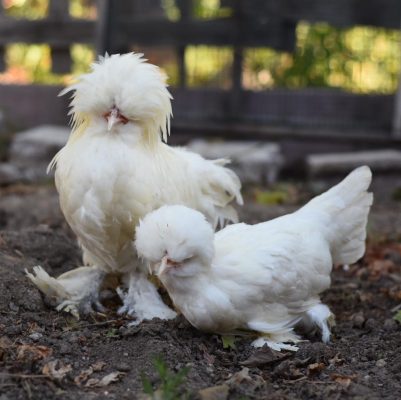
With their white plumage, feathered feet, V-comb, and wild head crest, Sultans look like they belong in a Turkish palace. This rare ornamental breed was indeed kept by Ottoman royalty. Today, with fewer than 500 breeding birds in North America, they sell for $50 to $300.
Sultans are pure exhibition birds. They lay few eggs (maybe 50 yearly), grow slowly, and aren’t hardy. But their appearance is breathtaking. The combination of leg feathering, crest, beard, and five toes creates an exotic look unlike any other breed. For show breeders, they’re the ultimate challenge.
These chickens need special care. Their crests can obstruct vision, making them vulnerable to predators. Feathered feet get muddy and require clean conditions. They’re gentle and friendly but not suited to rough-and-tumble farm life. Collectors appreciate them as living ornaments—beautiful, rare, and historically significant.
13. Ayam Ketawa
 Pin
Pin Courtesy of Nadja
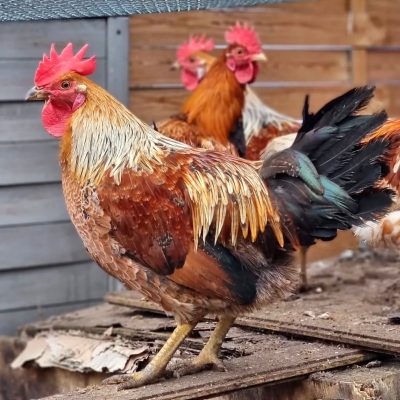
Indonesia’s Ayam Ketawa earned its name from the rooster’s unusual crow, which sounds like human laughter. This long-crowing breed can vocalize for 20-30 seconds, with some champions holding notes for over a minute. Breeding roosters with exceptional voices sell for $500 to $2,000 or more.
In Indonesia, crowing competitions are serious business. Judges evaluate crow length, tone, and quality. Winning roosters become valuable breeding stock, with their offspring commanding high prices. The genetics for exceptional crowing are complex, making top birds rare and expensive.
Beyond their vocal talents, Ayam Ketawa are attractive birds with long, flowing tails and upright posture. They’re active, alert, and need space to roam. For Western breeders, they’re exotic curiosities. In their homeland, they’re cultural treasures representing a unique aspect of Indonesian poultry tradition.
14. Onagadori
 Pin
Pin Courtesy of Feather Lover Farm
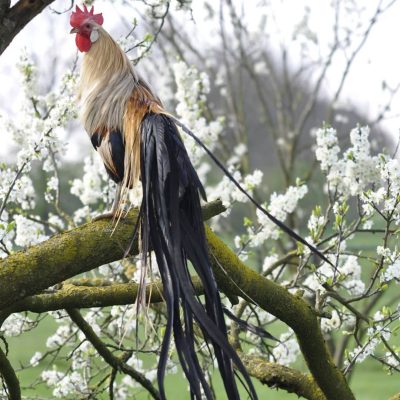
The Onagadori might be the most extreme chicken breed ever developed. Roosters grow tail feathers that can exceed 20 feet in length. These Japanese birds are designated Natural Monuments in their homeland and are extremely rare. Outside Japan, a breeding-quality bird could cost $1,000 or more if you could even find one.
Growing those incredible tails requires special care. The birds live in tall boxes that keep feathers off the ground. Keepers carefully manage their environment to prevent feather damage. The longest tails take years to grow and represent the pinnacle of selective breeding focused on a single trait.
Few breeders outside Japan work with true Onagadori due to their demanding care requirements. Related long-tailed breeds like Phoenix chickens offer similar (though less extreme) tail growth with easier management. For collectors, Onagadori represent the ultimate in rare, unusual poultry—beautiful, bizarre, and almost impossible to acquire.
Tail Growth Facts:
- Tail feathers grow continuously without molting
- Can grow 3 feet per year
- Longest recorded: over 34 feet
- Requires special housing to protect feathers
15. Polish
 Pin
Pin Courtesy of chicken Run by Orpington
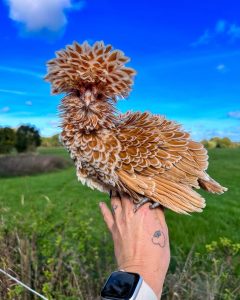
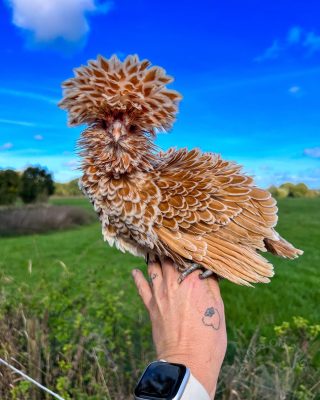
Polish chickens look like they stuck their beak in an electrical socket. Their enormous, rounded crests of feathers create a “bad hair day” appearance that’s utterly charming. Despite the name, they likely originated in the Netherlands. Show-quality Polish with perfect crests sell for $50 to $400, with rare color varieties commanding even more.
The crest isn’t just decorative—it’s a genetic challenge. Breeding for the perfect puff requires balancing size, shape, and feather quality while maintaining the bird’s health and vision. Poor crests can obstruct eyesight, making birds nervous or flighty. Top breeders produce Polish with impressive crests that don’t compromise the chicken’s quality of life.
These medium-sized birds come in multiple color varieties: White Crested Black, Silver Laced, Golden, Buff Laced, and more. Each variety has dedicated followers working to perfect their chosen color pattern. Polish chickens lay around 150 white eggs yearly and have quirky, entertaining personalities. Their crests need protection from rain and mud, making them better suited to covered runs.
Popular Polish Varieties:
- White Crested Black (dramatic contrast)
- Silver Laced (intricate pattern)
- Golden (warm, rich color)
- Buff Laced (soft, creamy tones)
Why People Pay Premium Prices for Poultry
The expensive chicken market might seem strange to outsiders, but it makes perfect sense to enthusiasts. These birds represent genetic preservation, artistic beauty, and agricultural heritage. Breeders who maintain rare bloodlines perform important conservation work, ensuring genetic diversity survives.
For some, expensive chickens are investments. Quality breeding stock produces valuable offspring, creating income streams for small farms. Show wins increase a bird’s value significantly. A $500 hen that produces award-winning chicks can generate thousands in sales over her lifetime.
Others simply love the beauty and uniqueness of rare breeds. There’s satisfaction in owning something special—a living creature with history, personality, and visual appeal. Whether raising Ayam Cemani for their gothic elegance or Bresse for culinary perfection, chicken keepers find joy in these remarkable birds.
FAQs
Yes! Most rare breeds are available through specialized breeders, though some like Onagadori are nearly impossible to find. Join breed clubs and online groups to connect with reputable sellers.
Not necessarily. Price reflects rarity and genetics, not productivity. Some expensive breeds like Cream Legbar lay well, while ornamental breeds like Sultan barely lay at all.
The record belongs to a Swedish Black Hen sold at auction for approximately $5,000, though private sales of champion Ayam Cemani and Dong Tao have reportedly exceeded $10,000.
Some are. Breeds like Dong Tao and Sultan need special care, while others like Brahma and Marans are quite hardy. Research specific breed requirements before buying.
Potentially, yes. Quality breeding stock, especially from rare breeds, can generate income. However, it requires knowledge, dedication, and investment in healthy birds with correct genetics.










 Login with Google