






















 Pin
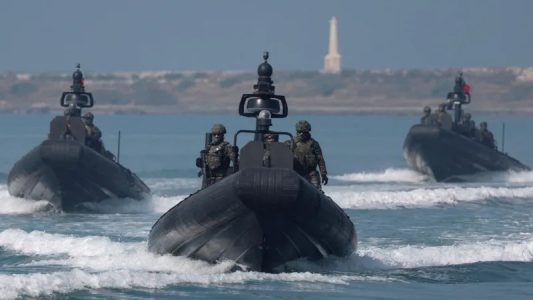
Pin Photo courtesy of Reuters
Synopsis: China’s military drills around Taiwan are more than headline news. They trace back to a divided political history, contrasting views on territory and identity, and new pressures from U.S. ties and Taiwan’s leaders. These exercises are meant to show readiness, warn foreign powers, and underline Beijing’s claim over the island, while Taiwan responds with its own caution and defense measures — all playing into broader regional and geopolitical tension.
The story begins over 75 years ago, when China’s long civil war ended with two governments. The nationalist leaders fled to Taiwan, forming a separate democratic system, while the communists stayed on the mainland. Since then, Beijing has insisted Taiwan is part of its territory — even though Taiwan runs its own government, courts and elections.
That split wasn’t just political; it became deeply emotional, tied to national pride and legitimacy. China’s leaders today still refer back to that era, saying unification is part of their national mission. Most Taiwanese, however, value their democratic way of life and reject being governed by Beijing.
For China, these drills aren’t just training — they’re reminders of history and assertions of long-standing claims that many in Taiwan don’t share.
Table of Contents
What the drills look like in real life
When people talk about “military drills,” they don’t mean a few soldiers jogging in boots. In recent years, China’s People’s Liberation Army has sent:
- Warships and patrol boats circling near Taiwan’s waters
- Fighter jets and bombers flying in airspace around the island
- Missile units and rocket troops practicing strikes
- Simulated blockades of major Taiwanese ports
These actions aim to test tactics like joint maritime-air combat, sea-land strikes, and coordinated operations among different branches of the military. Some drills span multiple days and cover areas close enough to impact flights and shipping lanes.
Taiwan tracks these movements closely and often responds with alerts or its own preparedness drills, keeping a watchful eye on any shifts in scale or direction.
Why the timing matters now
Drills aren’t random; they often come after political or diplomatic events. For example, changes in Taiwan’s leadership or its outreach to allies have triggered Beijing to flex military muscle. Recent exercises followed Taiwan’s presidential inauguration and news of international arms support, signaling displeasure from Beijing.
From China’s perspective, such drills are “punishment” or warnings against moves it views as inching toward formal independence. That’s why drills often ramp up after statements from Taiwanese leaders stressing self-rule or after visits by foreign politicians.
In this light, timing becomes a message — not just practice.
What Beijing says it’s trying to achieve
China frames these drills as necessary and defensive. Official voices often say the exercises are meant to:
- Deter what they call “separatist forces” in Taiwan
- Test combat readiness across multiple military branches
- Show determination to defend national sovereignty
- Warn foreign powers against interference in cross-strait affairs
Beijing’s military leaders describe the drills as a way to maintain “law and order” in nearby waters and airspace and to preserve what they call territorial integrity.
This language seeks to normalize what many outside observers see as pressure tactics. Whether one sees them as defensive or aggressive depends on political perspective.
How Taiwan views these exercises
Taiwan sees the drills very differently. Officials there describe them as:
- Threats to regional peace and stability
- Undermining normal life and economic activity
- Coercive measures aimed at influencing politics
- Tests of Taiwan’s defenses and readiness
Taiwan’s defence ministry tracks Chinese aircraft and naval movements, often scrambling jets or mobilizing patrols to respond. Taipei also conducts its own annual and regular military drills to stay prepared and signal resilience.
For many in Taiwan, this isn’t theoretical — it’s about everyday security and the island’s democratic future.
The role of the United States and other powers
In recent years, the U.S. and other democracies have strengthened ties with Taiwan, including arms sales and diplomatic engagement. China sees this as meddling in what it calls an internal matter. Washington, for its part, says it supports peace and stability in the region while helping Taiwan maintain a credible self-defense.
This great-power backdrop adds fuel to the drills: Beijing wants to signal it will resist external influence, while allies of Taiwan say the island has a right to determine its own path. These competing messages play out not just around Taiwan’s waters, but in capitals around the world.
What the drills don’t mean — at least not yet
It’s important to separate military presence from war. Even large-scale drills do not necessarily mean an invasion is imminent. Analysts — including seasoned regional experts — tend to see these exercises as strategic signaling rather than preludes to full conflict.
Drills test readiness, posture and resolve, but they also send political signals without crossing lines that would trigger open warfare. It’s a fine balance Beijing tries to hold between pressure and escalation.
Economic and daily impacts
When drills occur, there are sometimes practical effects. Airspaces get restricted, flights rerouted, shipping adjusts course, and neighboring countries watch closely. For Taiwanese businesses, concerns can rise about supply chains and investor confidence.
Yet, Taiwanese markets have shown resilience in some cases, reflecting confidence in their ability to weather pressure without collapsing.
The economic side often gets less attention than military movements, but it’s part of the broader picture of how people feel on both sides of the strait.
How the world watches and reacts
Countries near Taiwan — including Japan, South Korea and members of ASEAN — watch these drills with concern. So do global powers like the U.S. and EU nations. Statements from foreign capitals emphasize the importance of maritime security, international law, and freedom of navigation.
China, for its part, rebukes what it sees as interference. This global layer shows how Taiwan has become central to discussions about balance of power in the Indo-Pacific.
These reactions don’t just reflect fear — they shape policy, alliances, and military planning far beyond Taiwan’s shores.
Voices on both sides: identity and emotion
At the human level, many people in Taiwan feel a strong sense of identity that’s separate from mainland China. Democratic values, local culture, and a sense of community shape how many Taiwanese see their future — not as another province, but as a self-governing society.
In China, narratives focus on unity, history, and a vision of national rejuvenation. Both sets of emotions are real, and both influence how drills are talked about in homes, schools, media and politics.
Understanding this emotional layering helps explain why simple facts can feel so heavy and charged.
What might happen next
No one can predict the future with certainty, but most experts see three broad possibilities:
- Continued cycles of drills and political signaling
- Increased diplomatic engagement to ease tensions
- Rare but carefully managed crises that don’t erupt into full war
What seems unlikely — if global leaders maintain careful communication — is an immediate full-scale conflict. These drills, for now, serve as reminders of unresolved issues, not the beginning of open hostilities.
Whether pressure rises or falls will depend on political leaders, alliances, public sentiment, and many diplomatic currents swirling around this small but vital island.
FAQs
Not necessarily — they’re serious training and political signals, but not proof of an imminent invasion.
Many in Taiwan favor self-rule and democratic freedoms, though views vary on formal independence.
Exercises have been frequent in recent years, increasing with politics and diplomatic events.
The U.S. supports Taiwan’s defense and warns against coercive actions, adding an international layer.
They can change flight patterns or trade routes briefly and shape public sentiment about security.








 Login with Google