







 Pin
Pin Japanese Maple / Courtesy of Peter Bone
Synopsis: Japanese maples require careful sunlight management to display their full beauty and maintain healthy growth. These ornamental trees typically need four to six hours of filtered or morning sunlight daily, with protection from intense afternoon rays. The ideal light conditions vary based on cultivar type, regional climate zones, and seasonal temperature patterns. Red-leafed varieties often tolerate more sun than green varieties, while trees in cooler climates handle stronger light better than those in hot regions. Understanding these patterns helps gardeners create optimal growing conditions.
The question of sunlight requirements for Japanese maples reveals something fascinating about how plants adapt to their environments. These trees evolved in the dappled light of forest edges, where larger canopy trees filtered the strongest rays while still allowing enough brightness for photosynthesis. This evolutionary background shapes everything about how much sun does japanese maple need in modern gardens.
Think of sunlight as both food and challenge for these trees. They need it to produce energy and maintain their vibrant leaf colors, yet too much direct exposure damages the delicate tissues that make their foliage so appealing. The leaves of Japanese maples are thinner than many other trees, which contributes to their beautiful translucent quality when backlit but also makes them more vulnerable to sun scorch.
The key lies in understanding that sunlight intensity, duration, and timing all matter differently depending on where you live and which variety you grow. A Japanese maple that basks happily in six hours of Seattle sun might suffer terribly under the same duration in Arizona. This is why learning to read your specific conditions matters more than following generic advice.
Table of Contents
The Natural Habitat Origins
 Pin
Pin Courtesy of Christina Jdevita
Japanese maples come from mountainous regions where they grew as understory trees beneath larger oaks, pines, and other canopy species. This positioning gave them protection during the hottest parts of the day while still receiving generous morning and late afternoon light. The forest canopy acted like nature’s shade cloth, filtering the most intense rays while maintaining enough brightness for healthy growth.
This natural setting explains why these trees struggle when planted in completely exposed locations. Their leaves developed to photosynthesize efficiently under moderate light conditions rather than intense direct sun. The cellular structure of their foliage simply wasn’t built for the full force of midday summer rays.
Understanding this origin story helps gardeners recreate the right conditions at home. The goal is to mimic that forest edge environment where light comes filtered and balanced throughout the day. This doesn’t mean your tree needs to be under other trees, but it does need some form of light moderation during peak hours.
Morning Sun Versus Afternoon Sun
 Pin
Pin Courtesy of Gogreen Nurseries
The timing of sun exposure matters as much as the total hours received. Morning sunlight tends to be gentler because temperatures are cooler and humidity is typically higher. These conditions allow Japanese maples to photosynthesize efficiently without the stress of extreme heat. The tree can use this early light to produce energy while its leaves remain hydrated and supple.
Afternoon sun brings a different set of challenges. Between noon and four in the afternoon, sunlight intensity peaks and temperatures climb to their daily highs. This combination can overwhelm the tree’s ability to manage water loss through its delicate leaves. Even in moderate climates, this afternoon exposure can lead to leaf edges browning and curling.
Most successful Japanese maple plantings receive four to six hours of morning sun followed by afternoon shade. This pattern gives the tree plenty of light for photosynthesis while protecting it during the most stressful part of the day. Eastern or northern exposures often work better than southern or western ones for this reason.
How Climate Zones Change Sunlight Needs
 Pin
Pin Courtesy of mel5216
A Japanese maple growing in Maine faces completely different sunlight conditions than one in Georgia or California. The intensity of solar radiation increases as you move closer to the equator and into areas with clearer skies. This means trees in southern regions need more shade protection than those in northern climates.
Coastal areas with marine fog layers or frequent cloud cover allow Japanese maples to handle more direct sun exposure. The moisture in the air and filtered light create conditions closer to their native habitat. Desert and inland regions with low humidity and intense sun require much more careful placement and additional shade structures.
Temperature patterns also play a role beyond just sunlight intensity. Hot nights prevent trees from recovering from daytime stress, which means they need even more shade protection in regions where evening temperatures stay above seventy-five degrees. Understanding your local microclimate helps you adjust general guidelines to your specific situation.
Variety Differences in Sun Tolerance
 Pin
Pin Courtesy of Momiji.en
Not all Japanese maples have the same sunlight requirements. Red-leafed cultivars like Bloodgood and Emperor I generally tolerate more sun than green varieties because their anthocyanin pigments provide some natural protection against light damage. These red pigments act like built-in sunscreen, absorbing certain wavelengths that might otherwise harm leaf tissue.
Green-leafed varieties and those with variegated patterns tend to be more sun-sensitive. Cultivars like Sango Kaku or Butterfly benefit from more shade protection, especially during their most vulnerable growing phases in spring. The lighter colored portions of variegated leaves lack chlorophyll and burn more easily under direct exposure.
Dissected or lace-leaf varieties have extremely fine foliage that increases their surface area and makes them particularly prone to wind and sun damage. These delicate beauties almost always perform better with filtered light or part shade conditions. Their intricate leaf structure is stunning but requires more careful site selection than broader-leafed types.
Recognizing Sun Stress Symptoms
Japanese maples communicate their sunlight problems through clear visual signals. Leaf scorch appears as browning along the edges and tips, often starting with the leaves most exposed to direct sun. This damage occurs when the tree loses water through its leaves faster than the roots can replace it. The affected areas turn crispy and papery in texture.
Premature leaf drop in summer indicates the tree is experiencing too much stress to maintain its full canopy. Healthy Japanese maples hold their leaves until fall, so summer defoliation signals that conditions need adjustment. The tree essentially sheds leaves to reduce its water demands and survive the difficult period.
Faded or bleached-looking foliage suggests the tree is getting more light than it can process effectively. Red varieties may turn brownish rather than maintaining vibrant crimson tones. Green varieties might look washed out or yellowish. These color changes indicate the photosynthetic machinery is becoming damaged by excess light exposure.
Adapting Sun Exposure Through the Seasons
Sunlight requirements shift as seasons change and the tree moves through different growth phases. Spring brings tender new growth that is particularly vulnerable to strong sun and late frosts. Young leaves have thinner tissue and less developed protective mechanisms, making them susceptible to damage that wouldn’t affect mature summer foliage.
Summer demands the most careful attention to sun exposure as temperatures peak and drought stress becomes more likely. This is when afternoon shade becomes absolutely critical for tree health. Even varieties that tolerate good sun exposure benefit from some relief during July and August heat waves.
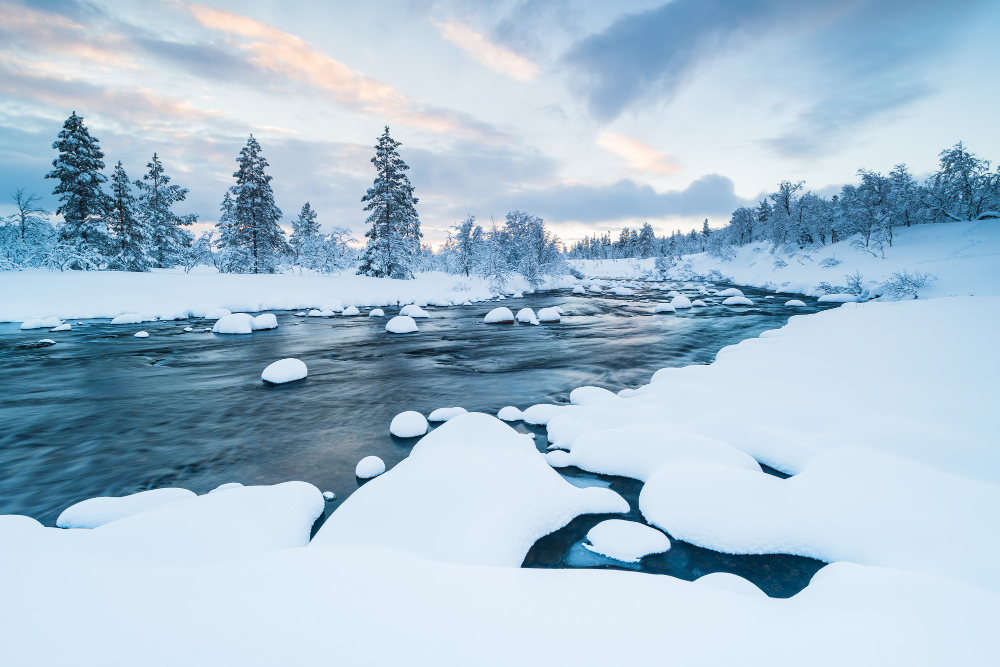
Fall sunlight actually enhances the brilliant color displays Japanese maples are famous for. As temperatures cool and day length shortens, increased light exposure can intensify red, orange, and yellow pigments. The same autumn sun that would stress the tree in summer now helps it produce those stunning seasonal displays that make these trees so desirable.
Creating Shade Solutions for Exposed Sites
When ideal natural shade isn’t available, gardeners can create protective conditions through strategic planning. Shade cloth suspended on posts or frames provides adjustable protection that can be modified as the tree grows or as you learn its specific needs. A thirty to fifty percent shade cloth typically works well for most situations.
Companion planting offers a more natural approach to sun protection. Taller shrubs or small trees planted to the south or west of your Japanese maple can filter afternoon light while creating an attractive layered landscape. Evergreens work particularly well because they provide year-round protection, though deciduous plants can be timed to leaf out when summer protection becomes necessary.
Structures like pergolas, arbors, or even buildings can provide the shade canopy your tree needs. Eastern sides of structures often create perfect microclimates with morning sun and afternoon protection. Just ensure these shade sources don’t block so much light that the tree becomes spindly and weak from insufficient photosynthesis.
Container Growing and Sun Exposure
Japanese maples grown in containers face additional sunlight challenges because their roots heat up along with the pot itself. Dark-colored containers absorb more heat, which can stress roots even when the canopy receives appropriate light levels. This root zone heating compounds sun stress and makes container-grown trees more vulnerable to overexposure.
The mobility of containers offers a unique advantage for managing sun exposure. You can move potted Japanese maples to shadier locations during the hottest months or reposition them as you learn their preferences. This flexibility makes containers excellent for testing different light levels before committing to an in-ground planting location.
Container trees generally need more shade protection than their in-ground counterparts because they lack the soil mass that helps buffer temperature extremes. The roots in containers experience wider temperature swings and dry out faster, which means these trees benefit from placement in locations with morning sun only or consistently dappled light throughout the day.
Young Trees Versus Established Specimens
Newly planted Japanese maples need extra protection while their root systems establish. These young trees haven’t developed extensive root networks capable of supporting full canopies under stress conditions. Extra shade during the first two or three years helps them focus energy on root development rather than constantly recovering from sun damage.
As trees mature and their roots spread deeper and wider, they gain resilience and can often handle somewhat more sun exposure. An established tree with a robust root system can draw on deeper soil moisture and weather short periods of stress more successfully. This doesn’t mean you should dramatically increase sun exposure, but mature trees show more tolerance for less-than-ideal conditions.
The transition from juvenile to mature sunlight tolerance happens gradually over several years. Pay attention to how your tree responds each season and adjust accordingly. A tree that struggled with afternoon sun in its second year might handle it better by year five, though the safest approach remains consistent with the light levels that proved successful during establishment.
Testing and Adjusting Your Site Conditions
The best way to determine optimal sun exposure for your specific tree is through careful observation over a full growing season. Track when direct sunlight hits your planting location and for how long. Take note of how intense that light feels at different times of day and in different months.
Watch your tree’s responses to these light patterns. Are the leaves on the south side showing stress while north-facing branches look healthy? Does the tree perk up after afternoon clouds roll in? These observations tell you exactly what your individual tree needs rather than relying solely on general guidelines that may not match your conditions.
Don’t hesitate to add temporary shade structures if you notice stress symptoms developing. A simple beach umbrella or shade sail can provide immediate relief while you plan more permanent solutions. The goal is keeping your tree healthy and attractive, and that may require adjustments as climate patterns shift or as nearby trees and structures grow and change the light environment.
Long-Term Planning for Light Conditions
When selecting a planting location, think ahead to how sun patterns will change over the years. That spot with perfect morning sun today might become fully shaded as nearby trees grow. Similarly, removing a neighboring tree for other reasons could suddenly expose your Japanese maple to more sun than it can handle.
Consider the mature size of your Japanese maple variety when planning sun exposure. Young trees have smaller canopies that intercept less light, so they naturally experience less stress than mature specimens with full, spreading branches. A location that works well for a young tree might become problematic as the canopy expands into areas with more intense sun exposure.
Buildings and hardscaping also affect long-term light conditions through reflection and heat radiation. Concrete patios and light-colored walls bounce additional light and heat onto nearby plants. These factors become more significant as summers grow hotter, so planning with climate resilience in mind helps ensure your Japanese maple thrives for decades to come.
FAQs
Some red-leafed varieties tolerate full sun in cool climates, but most Japanese maples develop leaf scorch and stress when exposed to more than six hours of direct sunlight daily. ☀️
Absolutely. In regions with intense summer heat above ninety degrees, Japanese maples need afternoon shade and protection from western sun exposure to prevent leaf damage and maintain healthy growth.
Excessive sun exposure causes brown, crispy leaf edges, premature leaf drop, faded foliage colors, and overall stress that weakens the tree and makes it vulnerable to pests and diseases. 🍂
Morning sun is ideal because it’s cooler and gentler. Four to six hours of morning light followed by afternoon shade creates the perfect balance for healthy growth and vibrant foliage colors.
Yes, container-grown Japanese maples can be repositioned seasonally. Move them to shadier spots during peak summer heat and sunnier locations in spring and fall for optimal conditions. 🌳







 Login with Google