







Real Life Science Facts That Sound Like Beautiful Lies
These real life science facts sound utterly mad until you see the proof. Jellyfish that cheat death, frogs that freeze solid, and rain made of diamonds—all real.


These real life science facts sound utterly mad until you see the proof. Jellyfish that cheat death, frogs that freeze solid, and rain made of diamonds—all real.
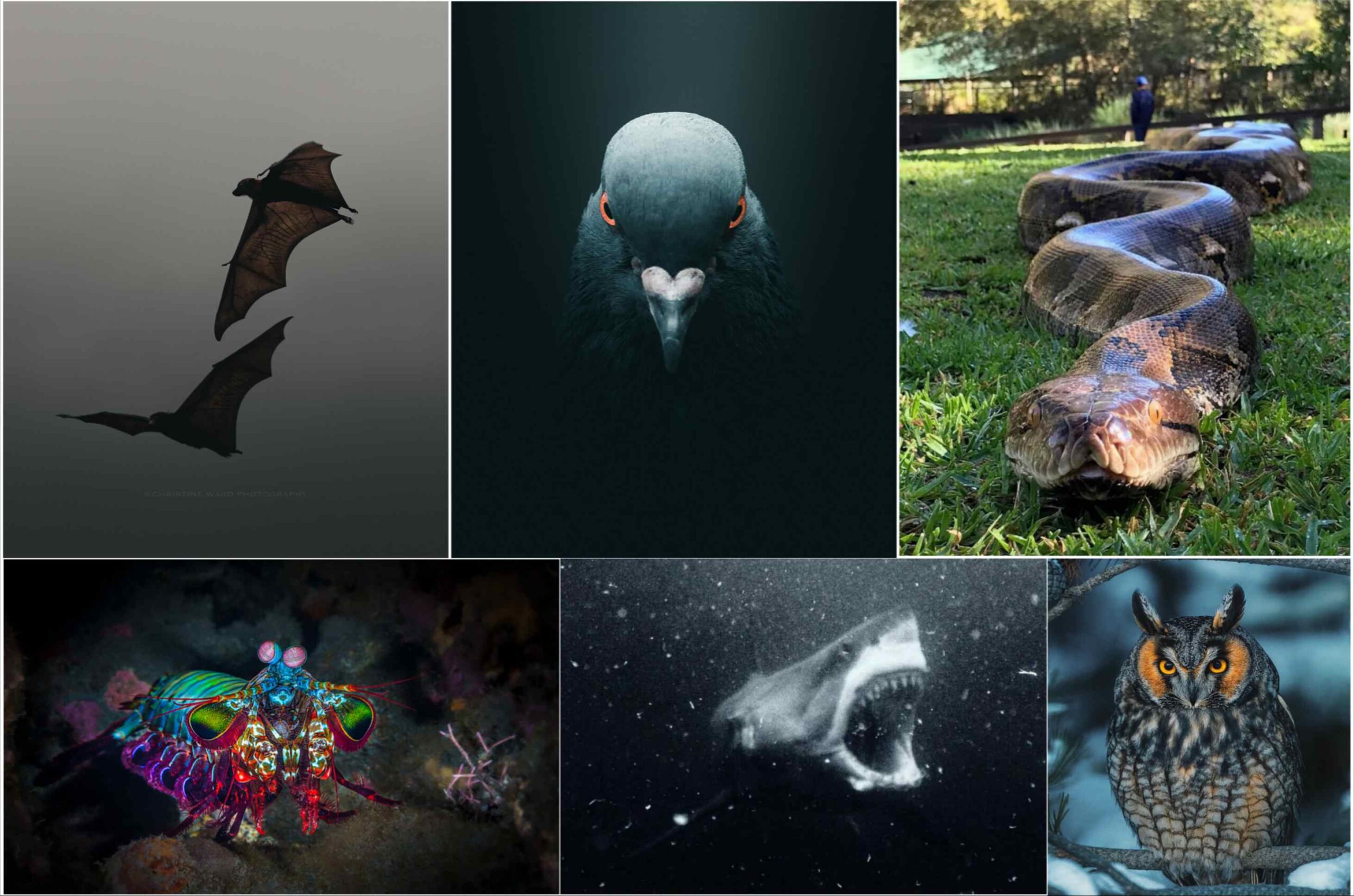
How animals evolved senses that outperform modern technology through millions of years of trial and error—while we’re still fumbling with batteries and software updates.
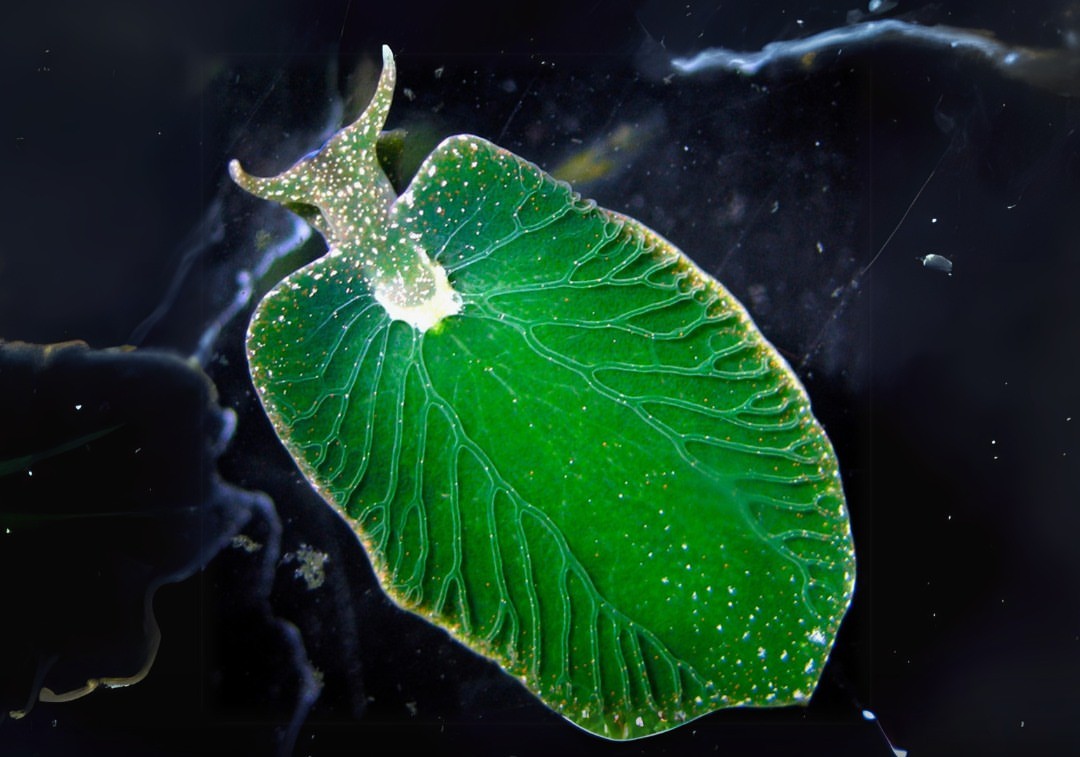
A sea slug that photosynthesizes like a plant. No food needed for months. Just pure sunlight. This wildest thing solar powered slug rewrites the rules of animal survival.
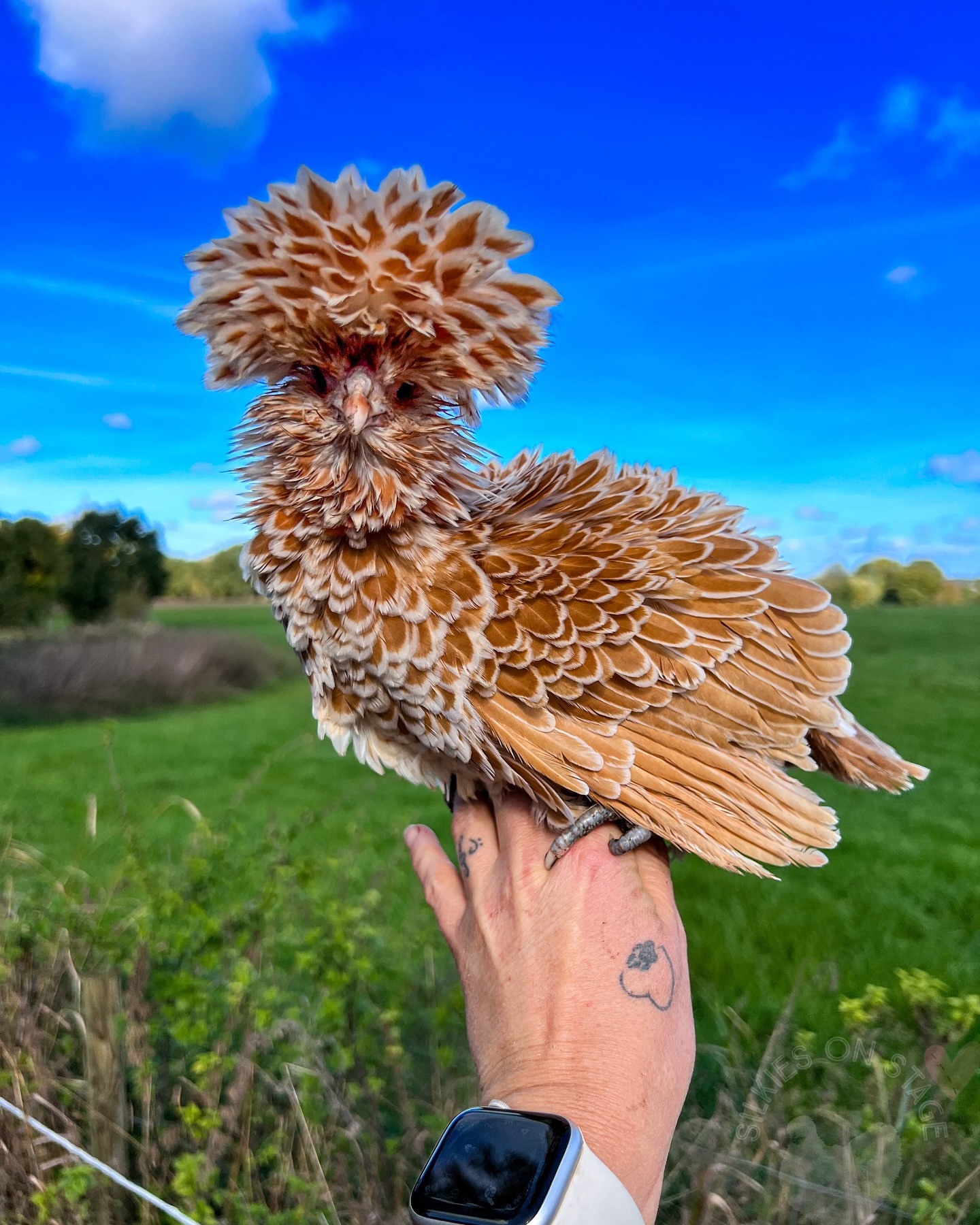
Curious about luxury poultry? These 15 most expensive chicken breeds (with pictures) can cost thousands. See why collectors pay premium prices for rare feathered beauties.
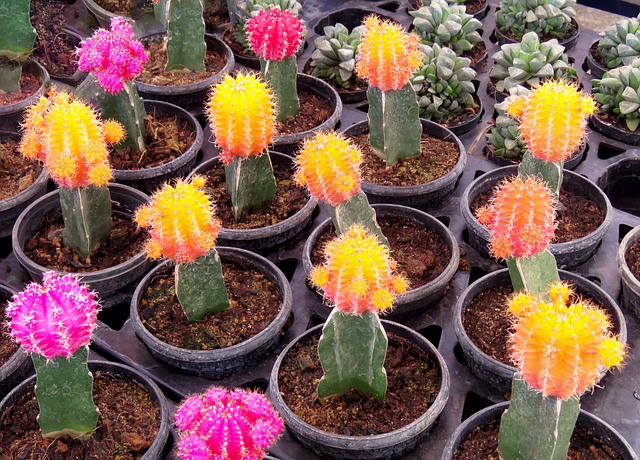
These 20 fun facts about cacti prove desert living takes more guts than glory—and these spiny survivors have both in spades, along with tricks that’ll leave you speechless.
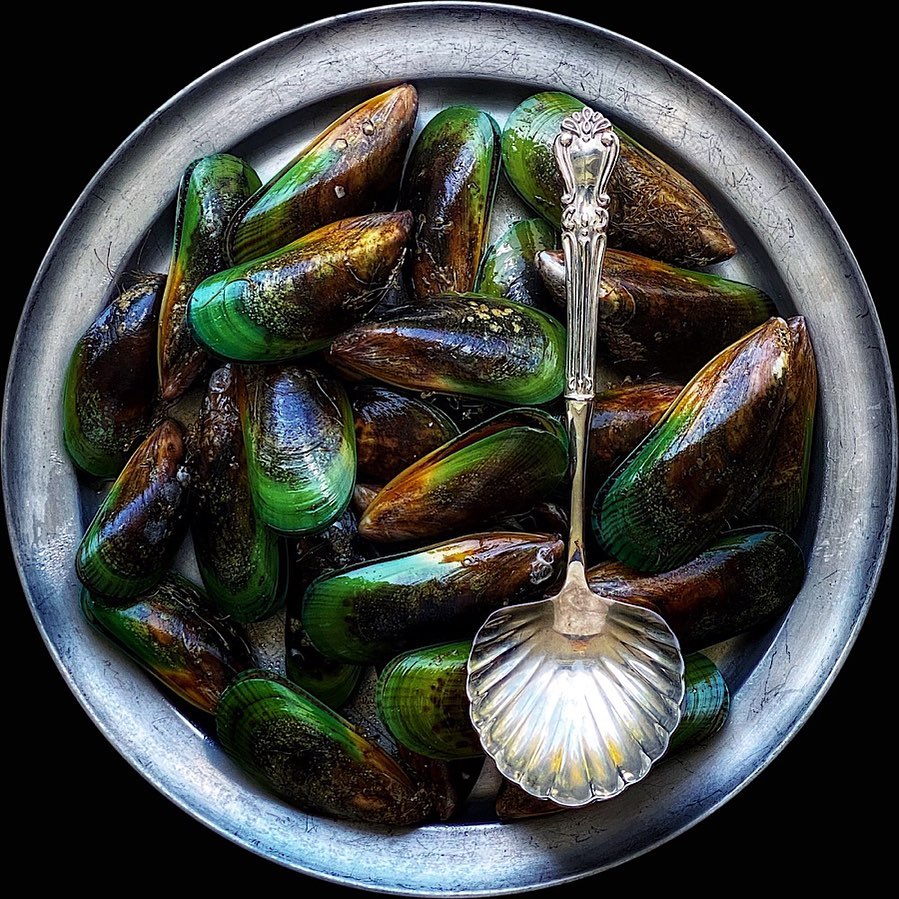
New Zealand organic greenshell mussels grow without feed or chemicals, filtering ocean water while creating underwater habitats. Here’s why they’re seafood’s sustainability success story.
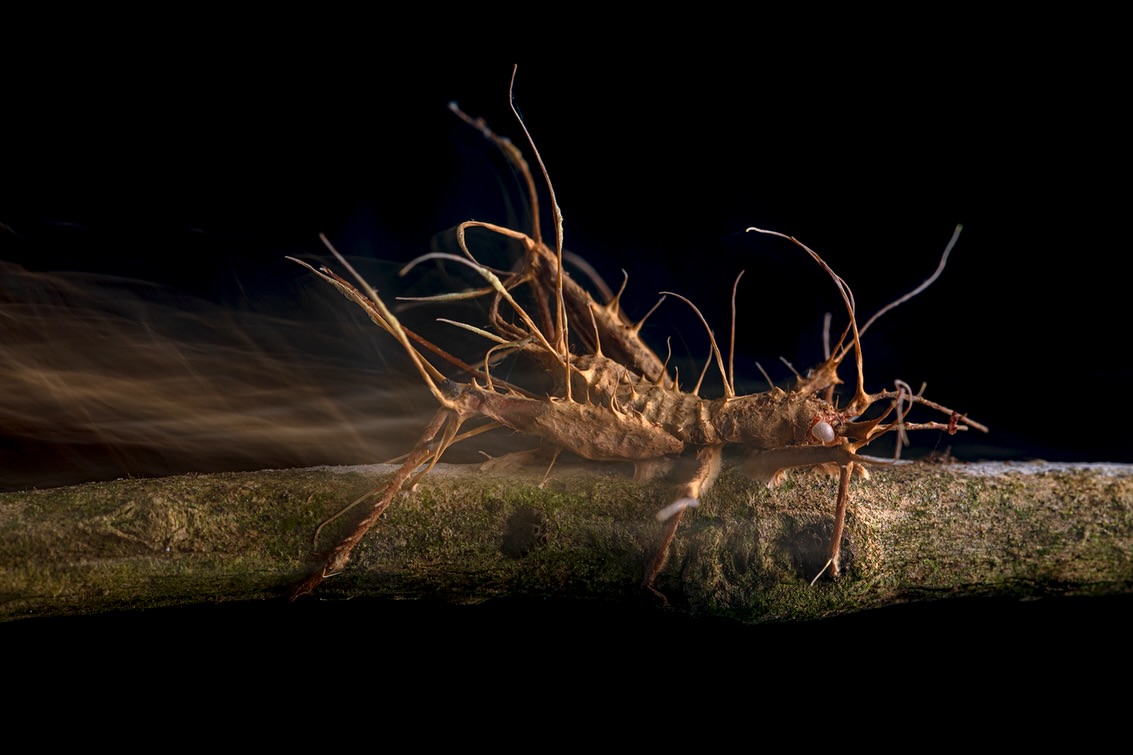
Nature’s most unsettling survivors exist beyond horror films. These zombie animals in real-life control minds, fake death, and feed on living hosts every single day.

Ant-associated fungus powers underground farming colonies where insects cultivate living crops, creating one of evolution’s most intricate partnerships spanning 50 million years.

From ancient scars to modern discoveries, these earth impact craters by size reveal cosmic collisions that shaped continents and wiped out species.
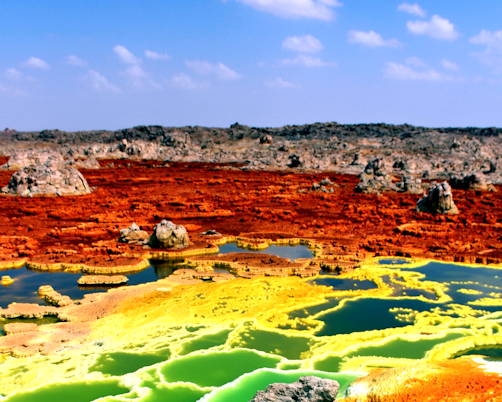
The lakes in Dallol Ethiopia aren’t just colorful—they’re among Earth’s most extreme environments, with acid strong enough to dissolve metal and heat that never stops.
 Login with Google