

















 Pin
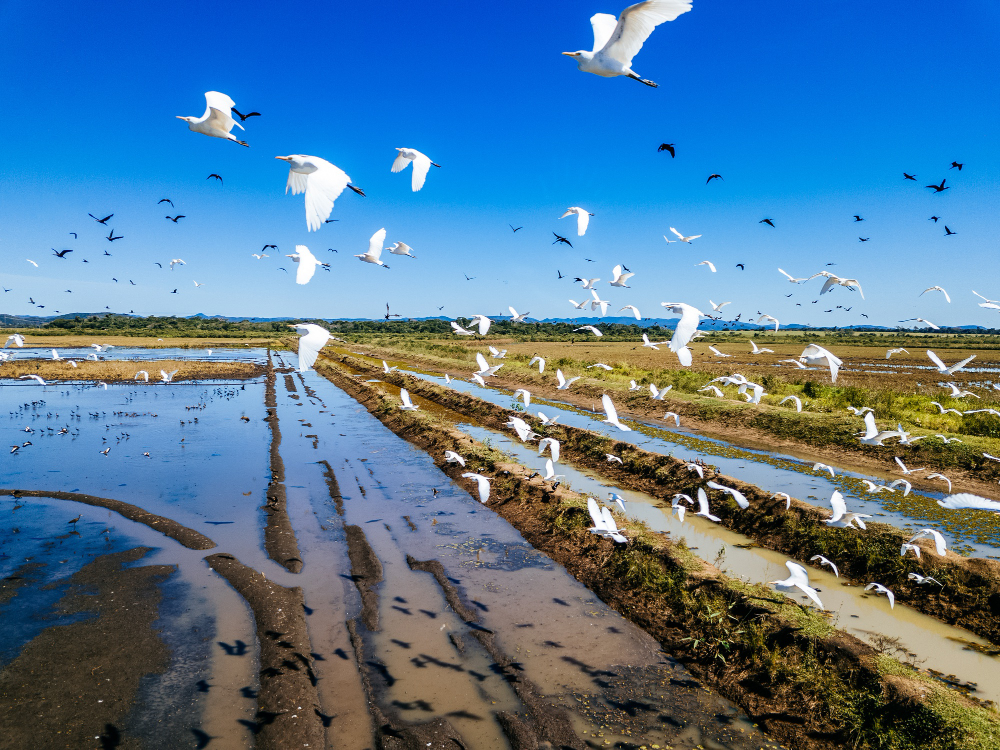
Pin Amazon Forest / Photo courtesy of Location Shift
Synopsis: The Amazon rainforest holds thousands of plant-based remedies that indigenous communities have used for centuries. Today, scientists are actively studying at least 10 of these rare amazon medicines — from bark teas to leaf pastes — and early findings suggest real potential for treating pain, infection, inflammation, and even cancer. What healers knew by instinct, labs are now beginning to confirm.
The Amazon doesn’t hand over its secrets easily. It makes a person earn them — through mud, through heat, through the kind of silence that settles between trees so tall they seem to hold the sky up. And somewhere in that silence, for thousands of years, people have been getting well.
Indigenous Amazonian communities didn’t build hospitals. They built knowledge. Generation after generation, they watched which leaves brought fevers down, which roots stopped bleeding, which bark eased the kind of pain that keeps a man awake at night. They didn’t need journals. They needed memory — and they kept it well.
Scientists, to their credit, have finally started paying attention. Researchers are now embedding with these communities — not to lecture them on biochemistry, but to watch, ask, and take careful notes. What they’re finding isn’t folklore dressed up in leaves. It’s a medical tradition that quietly outpaced the modern world in more ways than one — and the medicines at its center are only beginning to give up what they know.
Table of Contents
1. Cat's Claw (Una de Gato)
 Pin
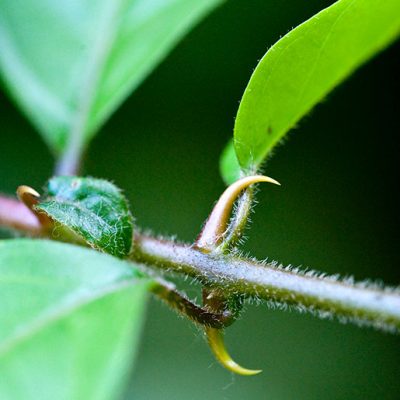
Pin Cat’s Claw (Una de Gato) — The Vine That Fights Inflammation / Photo courtesy Steven Foster
Deep in the Peruvian Amazon, there grows a woody vine called Uncaria tomentosa — known locally as una de gato, or cat’s claw. The name comes from its curved thorns, which hook onto trees like a cat gripping bark. Amazonian healers have brewed its inner bark into tea for centuries to treat arthritis, stomach trouble, and infections that no amount of rest seemed to fix.
Modern researchers have spent the last three decades trying to understand why it works. What they’ve found inside the plant’s bark are compounds called oxindole alkaloids — substances that appear to modulate the immune system and reduce inflammation at a cellular level. A handful of clinical studies have shown promising results for osteoarthritis pain and some immune conditions.
The plant is now sold in supplement form across Europe and North America — but the Shipibo people of the Peruvian Amazon were prescribing it long before it appeared on any health food shelf. They didn’t need a double-blind trial to know it worked. They had generations of outcomes instead.
- Active compounds: Oxindole alkaloids, quinovic acid glycosides
- Studied for: Arthritis, inflammation, immune support, DNA repair
- Used by: Shipibo and Ashaninka peoples of Peru
2. Ayahuasca
 Pin
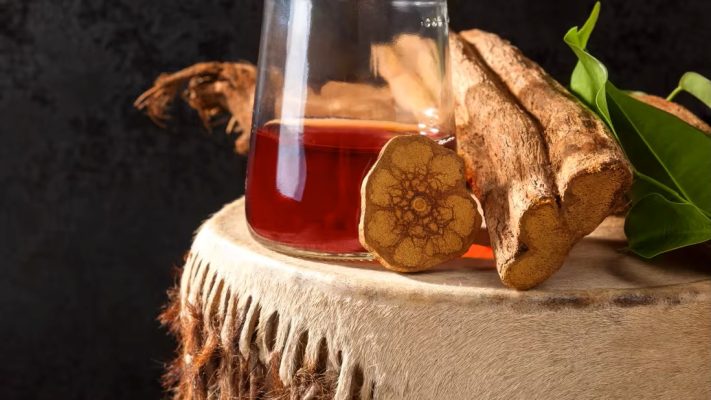
Pin Ayahuasca — More Than a Ritual / Photo courtesy health.clevelandclinic.org
Most people who’ve heard of ayahuasca think of it as a ceremonial brew — something consumed in firelit rituals, accompanied by chanting and visions. That’s not wrong. But it’s only part of the story. For Amazonian healers, this potent tea made from the Banisteriopsis caapi vine and Psychotria viridis leaves has always been as much medicine as it is ritual.
Western psychiatry is now circling back to what those healers have long understood. Clinical researchers — from Johns Hopkins to Imperial College London — are studying the brew’s active compound, DMT, alongside the vine’s natural MAO inhibitors for their potential to treat severe depression, PTSD, and addiction. Early results from small trials have been quietly extraordinary.
The brew forces a confrontation with the mind that few pharmaceutical drugs attempt. Whether that’s therapy or transformation probably depends on who’s asking. But the science no longer dismisses it — and that itself is a kind of landmark.
- Key compounds: DMT (from Psychotria viridis), harmine and harmaline (from B. caapi)
- Studied for: Treatment-resistant depression, PTSD, addiction recovery
- Used by: Shipibo-Conibo, Yawanapiti, and dozens of Amazonian nations
3. Copaiba
 Pin
Pin Copaiba — The Tree That Bleeds Medicine / Photo courtesy Living Proof
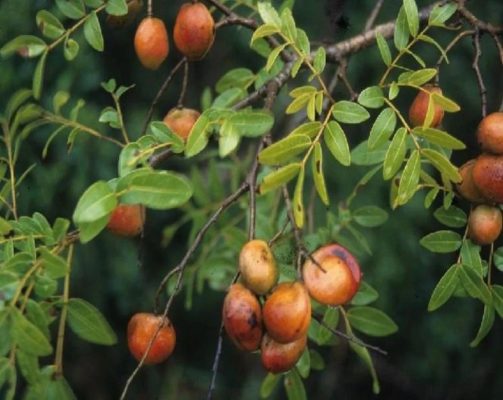
Cut into the trunk of a Copaifera tree in the Amazon and a golden resin begins to flow — so abundantly that locals have long used hollow tubes to collect it directly from the bark. This resin, called copaiba oil, smells something like pepper and pine, and for centuries it has been rubbed onto wounds, swallowed for respiratory infections, and applied to skin conditions that refused to heal on their own.
What makes copaiba oil scientifically interesting is its extraordinarily high concentration of beta-caryophyllene — a compound that binds to the body’s CB2 receptors, the same receptors targeted by CBD. Except copaiba does it without the psychoactive baggage. Brazilian researchers in particular have published studies pointing to its anti-inflammatory, antimicrobial, and wound-healing properties.
It’s one of those cases where the science caught up to the tradition and found the tradition was right all along. The indigenous communities who’ve been tapping these trees for generations never called it a cannabinoid system. They just knew the resin worked.
- Active compound: Beta-caryophyllene (CB2 receptor agonist)
- Studied for: Inflammation, wound healing, antimicrobial activity, pain relief
- Used by: Indigenous communities throughout Brazil and Colombia
4. Sangre de Drago
 Pin
Pin Sangre de Drago — Dragon’s Blood With Real Bite / Photo courtesy beautypharma.es
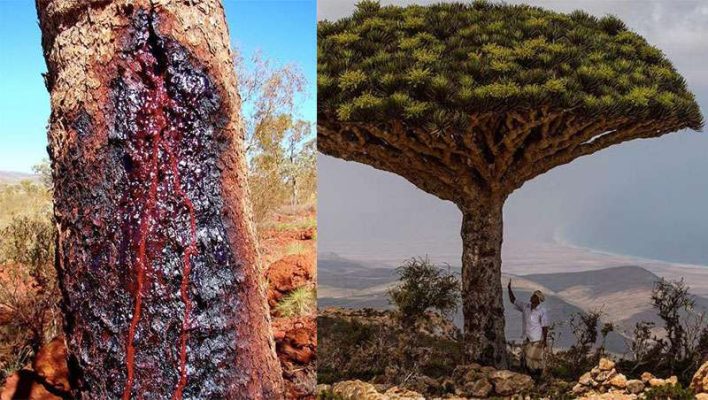
The name alone earns attention. Sangre de drago — dragon’s blood — is a deep red latex that oozes from the bark of Croton lechleri trees when slashed. In the western Amazon, it has been used as a wound sealant, an antifungal, a treatment for diarrhea, and even a topical remedy for insect bites, since before anyone was keeping records.
The latex dries almost immediately on contact with air, forming a natural protective film over cuts and abrasions. Scientists who studied this property discovered a compound called taspine — a potent wound-healing agent that stimulates collagen synthesis and speeds tissue repair. A derivative of this compound, SP-303, was developed into an FDA-approved drug called Fulyzaq, used to treat diarrhea in HIV patients.
That last detail deserves emphasis. An Amazonian folk medicine didn’t just inspire a pharmaceutical — it became one. Dragon’s blood traveled from the forest floor to the pharmacy shelf, and the journey took less than a few decades once researchers started taking it seriously.
- Key compounds: Taspine, proanthocyanidins, SP-303
- Studied for: Wound healing, antiviral activity, antidiarrheal effects
- FDA note: SP-303 derivative approved as Fulyzaq for HIV-related diarrhea
5. Muira Puama
 Pin
Pin Muira Puama — The Potency Wood Science Keeps Underestimating / Photo courtesy rialpharma.it
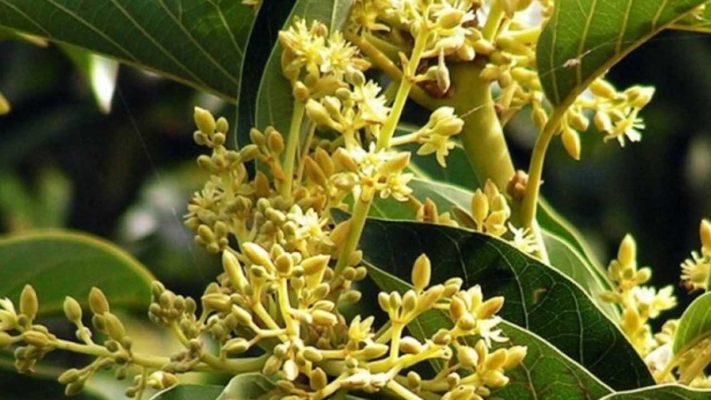
Ptychopetalum olacoides goes by many names in the Amazon — muira puama, potency wood, marapuama. Brazilian riverbank communities have long used the bark and roots of this small tree as a tonic for fatigue, nerve pain, and what might generously be called low vitality. In short, it has been an Amazonian remedy for the kind of exhaustion that doesn’t respond to sleep.
French researchers in the 1990s ran some of the first clinical investigations and found that a significant portion of men reporting erection difficulties who took muira puama extract reported clear improvement. More recent research has focused on the plant’s apparent effects on memory and cognitive function in aging — results from animal studies suggest it may protect neurons and support acetylcholine activity in the brain.
It hasn’t made headlines the way some of its forest neighbors have. But among ethnobotanists — researchers who study the relationship between plants and people — muira puama is considered one of the Amazon’s most pharmacologically underexplored plants. That probably means the most interesting findings are still ahead.
- Active compounds: Lupeol, ptychopetaline, beta-sitosterol, essential oils
- Studied for: Sexual dysfunction, cognitive decline, nerve pain, fatigue
- Used by: Communities along the Brazilian Amazon basin
6. Graviola
 Pin
Pin Graviola — The Cancer Question the Labs Won’t Drop / Photo courtesy volunteerlatinamerica.com
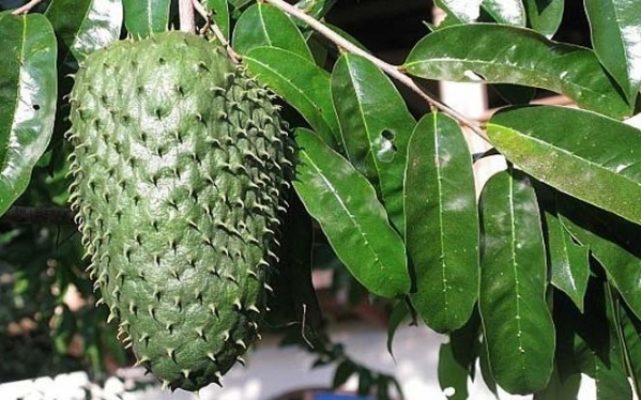
Graviola — Annona muricata — grows throughout the Amazon and produces a large, spiky fruit that tastes like a cross between strawberry and pineapple. The fruit is eaten fresh and blended into drinks across Brazil, Peru, and Colombia. But it’s the leaves and bark, not the fruit, that traditional healers have relied on — for fever, parasites, and conditions that required something stronger than rest.
The plant came to serious scientific attention when researchers at Purdue University identified a class of compounds called annonaceous acetogenins in the leaves. In laboratory and animal studies, these compounds showed a striking ability to selectively kill cancer cells — including drug-resistant ones — while apparently leaving healthy cells alone. The mechanism involves disrupting energy production inside cancer cells specifically.
There is a large and important caveat here: laboratory results don’t automatically translate to human medicine. Clinical trials in humans are still limited. Scientists urge caution about overstating what graviola can do for cancer patients today. But the preliminary findings are serious enough that research continues — and the plant remains one of the most studied in all of Amazonian pharmacology.
- Key compounds: Annonaceous acetogenins
- Studied for: Anticancer activity, antiparasitic effects, fever reduction
- Important: Human clinical evidence is still early — more trials are ongoing
7. Pau d'Arco
 Pin
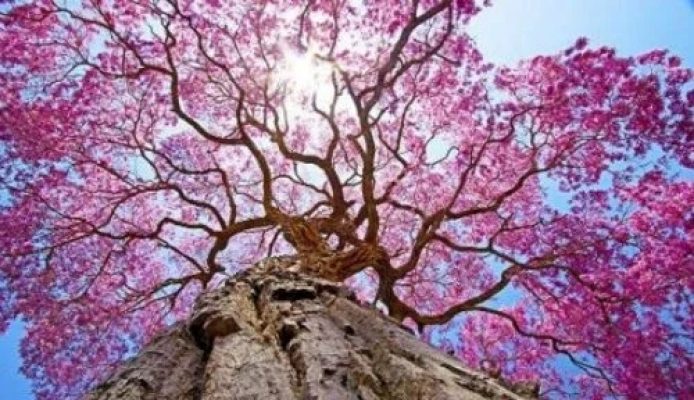
Pin Pau d’Arco — The Bark That Baffled Bacteria / Photo courtesy findvit.com
Tabebuia impetiginosa — better known as pau d’arco, or lapacho — is a towering hardwood tree whose purple flowers bloom across the Amazon. Its inner bark has been used by indigenous peoples for an extraordinary range of conditions: fungal infections, bacterial illness, fever, even snake bites. The bark is typically dried and brewed as a tea, dark and slightly bitter, consumed over days or weeks depending on what needs fixing.
The compound that drew scientific interest is lapachol — a yellow crystalline substance found in the bark that exhibits antifungal, antibacterial, and antiparasitic activity in lab settings. Related compounds called naphthoquinones have also been studied for potential anticancer properties. Some research suggests pau d’arco extract may be effective against Candida species — the fungi responsible for common yeast infections — in ways that standard antifungal drugs sometimes aren’t.
The tree’s reputation in traditional medicine is so broad that scientists sometimes struggle to know where to focus first. Pau d’arco is one of those plants that seems to touch nearly every system in the body — which makes it either remarkable or suspicious, depending on how cautiously one reads the data. So far, the data keeps holding up.
- Key compounds: Lapachol, beta-lapachone, xyloidone
- Studied for: Antifungal, antibacterial, antiparasitic, and anticancer activity
- Used by: Guarani, Tupi, and Kallawaya peoples of South America
8. Vilcacora
 Pin
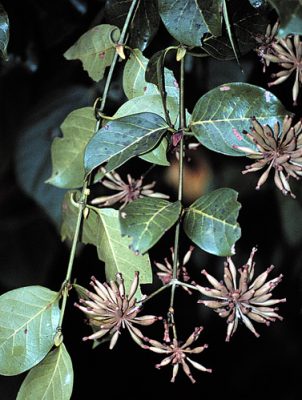
Pin Vilcacora — The Vine With a Built-In Roadmap / Photo courtesy plantidtools.fieldmuseum.org
Vilcacora — Uncaria guianensis — is a close botanical cousin of cat’s claw, but the two plants have been used for different purposes across different communities for long enough that researchers now treat them as separate subjects. Where cat’s claw became a global supplement, vilcacora has stayed closer to the forest — studied seriously but not yet fully understood.
Uncaria guianensis has attracted particular attention for its potential role in joint health and DNA repair. Some studies suggest that alkaloids in the plant can help protect cells from oxidative damage — the kind of accumulated wear that contributes to both cancer and degenerative disease over time. European supplement markets have shown significant commercial interest, and clinical interest has followed closely behind.
What makes the story of vilcacora unusual is how clearly documented its traditional use was before science arrived. The ethnobotanical record gave researchers a reliable starting point that most drug discovery programs don’t have. Tradition, in this case, built the roadmap — and science is still following it.
- Key compounds: Pentacyclic oxindole alkaloids, quinovic acid glycosides
- Studied for: Immune modulation, DNA repair, joint inflammation
- Used by: Ashaninka and other Andean Amazonian peoples
9. Curare
 Pin
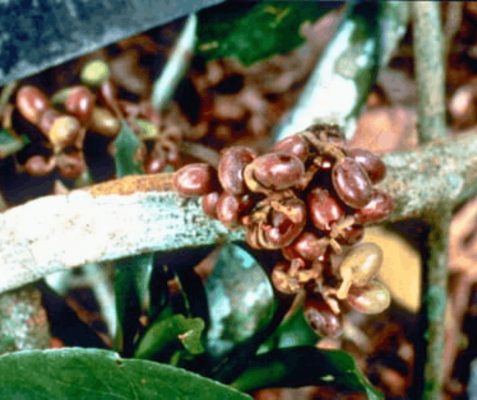
Pin Curare — From Arrow Poison to the Operating Room / Photo courtesy amazonteam.org
Few substances in the Amazon have had a more dramatic journey from forest to hospital than curare. This dark, sticky paste — extracted from plants like Strychnos toxifera and Chondrodendron tomentosum — was used by Amazonian hunters to tip blowgun darts. A small amount could paralyze prey almost instantly. As a weapon, it was elegant, silent, and precise.
European explorers documented curare for centuries with a mixture of fear and fascination. What finally unlocked its medical value was understanding its mechanism: curare blocks neuromuscular signals, preventing muscle contraction. Extracted and refined, the compound tubocurarine became the world’s first muscle relaxant used in surgery — allowing safer anesthesia and enabling procedures that would have been impossible otherwise.
Today’s surgical muscle relaxants are synthetic descendants of curare’s chemistry, but the original compound came directly from the forest knowledge of Amazonian hunters. It’s perhaps the most striking example of how indigenous pharmacological understanding didn’t just supplement modern medicine — it fundamentally shaped it.
- Key compound: Tubocurarine (from Chondrodendron tomentosum)
- Medical application: First clinical muscle relaxant used in surgery, 1942
- Legacy: Modern neuromuscular blockers are direct synthetic descendants of curare chemistry
10. Chuchuhuasi
 Pin
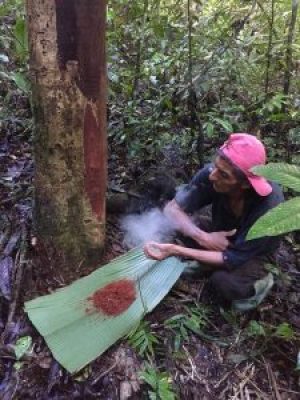
Pin Chuchuhuasi — The Bark That Keeps Surprising Researchers / Photo courtesy rainforesthealingcenter.com
Chuchuhuasi comes from the bark of Maytenus krukovii — a large tree found deep in the Peruvian and Brazilian Amazon. Its name roughly translates to ‘trembling back’ in the Quechua language, a reference to its long use in treating back pain, rheumatism, and the kind of joint stiffness that comes with hard years and hard weather. Locals steep the bark in aguardiente, a local spirit, and drink it as a tonic.
What caught researchers’ attention is a class of compounds in the bark called maytansinoids — substances that have shown potent anticancer activity in laboratory settings. So potent, in fact, that synthetic derivatives of maytansine are now used in antibody-drug conjugates — a cutting-edge cancer treatment method where a targeted antibody delivers a toxic payload directly to tumor cells. The Amazon connection sits quietly behind some of oncology’s most advanced current therapies.
Beyond cancer research, chuchuhuasi has also been studied for its anti-inflammatory and immune-modulating properties, with results that support what Amazonian communities have known practically for generations. It remains one of the lesser-publicized plants in ethnobotanical research — which, given the pattern so far, probably means more surprises are waiting.
- Key compounds: Maytansinoids, sesquiterpene pyridine alkaloids, tannins
- Studied for: Anticancer activity, arthritis, immune modulation, inflammation
- Notable: Maytansine derivatives are used in modern antibody-drug conjugate cancer therapies
- Used by: Quechua communities of Peru and indigenous groups across the Brazilian Amazon
What the Forest Knows That the Lab Is Still Learning
There’s a certain humility required when a scientist sits across from an Amazonian healer and asks about a plant. The healer has, in most cases, several hundred years of applied knowledge behind their answer. The scientist has a well-equipped laboratory and the best analytical tools money can build. Neither is complete without the other.
The uncomfortable truth about Amazonian ethnopharmacology is that science has barely scratched the surface. Of the approximately 40,000 plant species in the Amazon, fewer than 1% have been studied for pharmacological potential. The most important discovery may still be sitting in a bowl somewhere, brewed by someone whose name will never appear in a journal citation.
The urgency is real. Deforestation is not slowing fast enough. Elder healers are passing away, and with them knowledge that lives only in memory. Protecting the Amazon is, in a very real sense, a medical imperative — not just an environmental one. The forest has been keeping its records longer than any laboratory. It might be time to read them more carefully.
- Fewer than 1% of Amazon plant species have been pharmacologically studied
- Elder knowledge loss is accelerating faster than documentation efforts
- Deforestation threatens both the plants and the communities that understand them
- Ethnobotanical partnerships between scientists and indigenous peoples are growing but underfunded
This article is for informational purposes only and is not a substitute for professional medical advice, diagnosis, or treatment. The plants and remedies discussed here are based on traditional use and ongoing scientific research — not confirmed medical prescriptions. Always consult a qualified healthcare provider before trying any herbal supplement or alternative remedy.
FAQs
Some, like copaiba oil and cat’s claw supplements, are commercially available and generally considered safe in normal doses. Others, like ayahuasca or curare derivatives, require medical supervision. Always consult a doctor before trying any herbal supplement, especially if you’re on existing medication.
Yes — most notably curare, whose derivative tubocurarine became the first surgical muscle relaxant in 1942. Dragon’s blood led to Fulyzaq, an FDA-approved drug for HIV-related diarrhea. Chuchuhuasi’s maytansine compounds are now used in advanced cancer therapies. These aren’t exceptions — they’re proof of concept.
Scale is the first problem — over 40,000 plant species make systematic study an enormous undertaking. Funding is the second. Pharmaceutical companies tend to invest in synthetic chemistry over plant research. And until recently, academic institutions underestimated indigenous botanical knowledge as a credible scientific starting point.
Historically, very little. This is called biopiracy — the use of traditional knowledge without consent or compensation. Today, international frameworks like the Nagoya Protocol are pushing for fair benefit-sharing agreements. Progress is slow, but awareness of the ethical problem is growing inside the scientific community.
Much of it disappears too. The plants, the communities, and the oral traditions that hold this knowledge are all deeply interconnected. Ethnobotanists are documenting as fast as they can, but documentation is not the same as preservation. Protecting the Amazon is, in a very real sense, also protecting the future of medicine.









 Login with Google