












 Pin
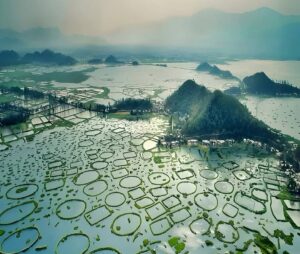
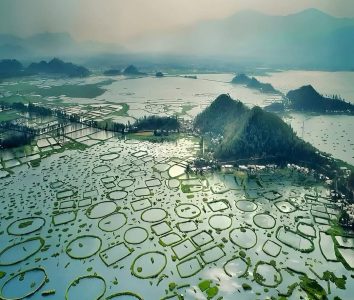
Pin Loktak Lake, Manipur, India / Photo courtesy of Discover Manipur
Synopsis: North East India is one of the most overlooked travel regions on the planet. Wedged between Bhutan, China, Myanmar, and Bangladesh, eight states sit quietly packed with jaw-dropping landscapes, indigenous cultures, rare wildlife, and festivals full of raw, unscripted energy. This guide covers the top 15 places to visit in North East India with honest, useful detail — including what to eat at every destination — the kind of guide that actually helps you plan, not just daydream.
People have been walking past North East India for decades, glancing at it on a map, and moving on. That says more about human habit than it does about the place.
This region doesn’t shout. It doesn’t put itself on billboards or flood travel feeds with polished drone footage. It simply sits there — eight states tucked behind a sliver of land so narrow on the map that geographers named it the Chicken’s Neck — and waits for the kind of traveler who actually pays attention.
What waits on the other side of that narrow corridor is the sort of geography that makes you recalibrate your entire understanding of India. Rainforests so thick the sun negotiates its way through in thin columns of gold. Rivers that run jade-green through valleys nobody has bothered to name yet. Tribes with oral histories stretching back further than most written civilizations. Monasteries perched on cliffsides that seem to have been placed there purely to make human beings feel appropriately small.
And the food. The food of North East India is a separate journey folded inside the larger one — fermented, smoky, bamboo-laced, and built on an entirely different philosophy from the curries and biryanis that most people associate with Indian cooking. Every destination on this list comes with its own edible identity, and ignoring that identity would be like visiting Paris and skipping the bread.
This guide covers fifteen destinations across the region — not ranked by fame or footfall, but by the honest weight of what each place puts on a traveler’s chest long after the bags are unpacked and the photographs are sorted. Here they are, in full.
Table of Contents
1. Shillong, Meghalaya
 Pin
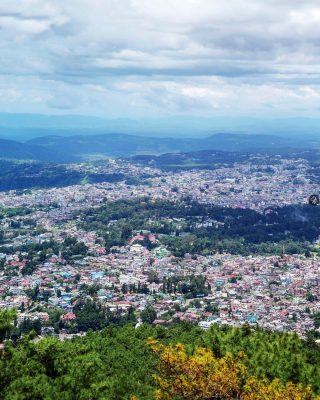
Pin Shillong, Meghalaya / Photo courtesy Sayantan Bagchii
Shillong has a personality problem — in the best possible way. It can’t decide if it’s a hill station, a music capital, or a college town, so it simply became all three at once and never looked back. Sitting at around 1,500 metres above sea level, the Meghalayan capital wears clouds like a loose jacket most of the year, and the residents have made peace with rain the way most cities make peace with traffic.
The music culture here is genuinely surprising. Shillong produces more rock and blues musicians per square kilometre than almost anywhere else in India. On weekends, live bands spill out of small venues along Police Bazaar, and the sound drifting down the wet streets at night feels completely earned — not performed for tourists, just happening. The annual Shillong Autumn Festival draws crowds who come specifically for this, and they leave having heard things they didn’t expect. Ward’s Lake offers a quiet, colonial-era stillness, and Don Bosco Museum is one of the finest tribal heritage museums in Asia.
The drive from Guwahati airport through the winding Meghalaya hills — past waterfalls appearing and disappearing in the mist — is its own kind of welcome before the city even begins.
 Pin
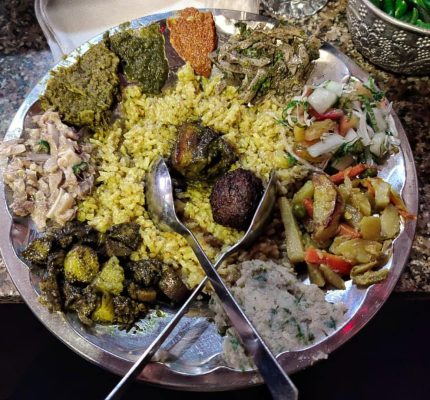
Pin Khasi rice dish Jadoh / Photo courtesy Children of gluttony
Food to try in Shillong: The city runs on Jadoh — a fragrant Khasi rice dish cooked with pork and spices, served with tungrymbai (fermented soybean chutney) that smells aggressive and tastes extraordinary. Dohkhlieh, a Khasi pork salad tossed with onion, ginger, and green chilli, is the kind of thing eaten once and thought about for weeks. The roadside pork stalls near Police Bazaar are not fancy and don’t need to be. For something warm and sweet after a cold evening walk, Miri tea from any small street stall — milky, spiced, deeply comforting — is the right call every time.
- Best time to visit: October to May
- Distance from Guwahati: ~100 km, roughly 2.5–3 hours by road
- Don’t miss: Café Shillong, Sunday market at Bara Bazaar, and the live music strip along Police Bazaar at night
2. Cherrapunji (Sohra), Meghalaya
 Pin
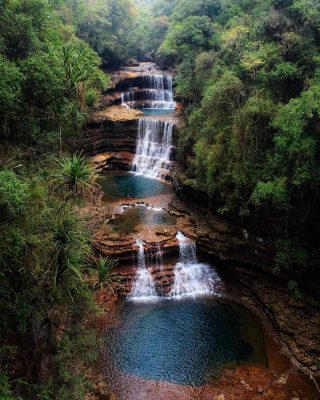
Pin Wei Sawdong Waterfall / Photo courtesy i_solivagant
Cherrapunji holds a record most places would find inconvenient — it is one of the wettest spots on the entire planet. And yet, standing at the edge of Nohkalikai Falls, watching the world’s fourth-tallest waterfall plunge 340 metres into a pool of impossible green, the rain feels less like weather and more like punctuation.
The landscape is genuinely dramatic. Deep gorges cut through limestone plateaus, and the horizon on clear days reveals Bangladesh spreading flat below like a map someone left open on a table. The living root bridges of the nearby Khasi villages — grown over generations by training Ficus tree roots across streams — are so quietly extraordinary that UNESCO has been considering them for World Heritage status. These are not built structures. They are grown ones. That difference matters considerably. Mawsmai Cave winds through cathedral-sized limestone chambers lit just enough to keep you moving forward.
The Seven Sisters Falls during monsoon is one of those sights that makes photography feel inadequate, because the camera captures the waterfall while entirely missing the sensation of standing in front of it with the mist on your face.
 Pin
Pin Pumaloi / Photo courtesy Foodzz Mania
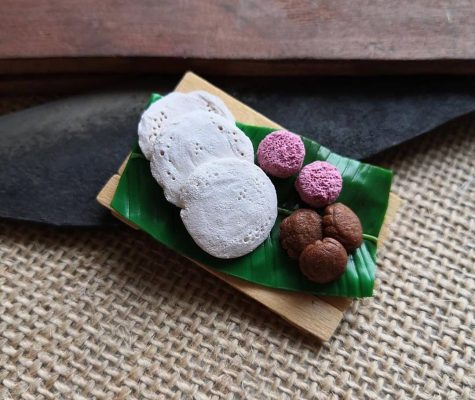
Food to try in Cherrapunji: The villages around Sohra serve Pumaloi — a steamed rice powder dish with a soft, almost pudding-like texture, eaten with slow-cooked pork. Khasi thalis at local homestays typically include smoked meat, boiled greens, and fermented preparations built for cold, wet weather. The morning meal at a Khasi homestay — usually simple rice with leftover smoked pork and strong black tea — hits with a warmth that no restaurant version ever quite replicates.
- Best time: October to April for clear views; June–August for dramatic waterfall flow
- The double-decker living root bridge at Nongriat requires a 3,500-step descent — worth every one
- Stay overnight for valley views at dawn that no day-tripper ever sees
3. Kaziranga National Park, Assam
 Pin
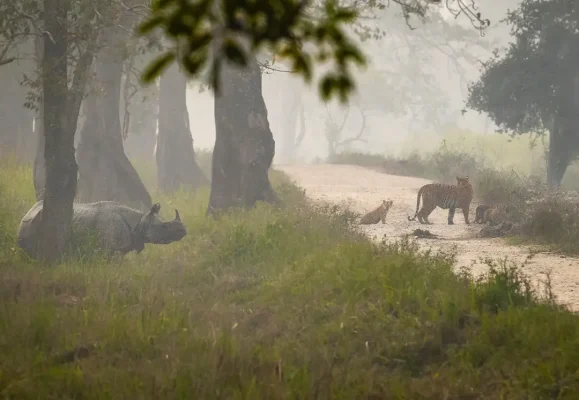
Pin Kaziranga National Park / Photo courtesy Raju Shil
There are wildlife sanctuaries, and then there is Kaziranga. The difference is the kind felt in the chest when a one-horned rhinoceros walks across a dirt track twenty metres ahead and doesn’t so much as glance at the jeep. Kaziranga covers over 430 square kilometres of floodplains, tall elephant grass, and dense forest along the Brahmaputra, and it holds two-thirds of the world’s entire population of Indian one-horned rhinoceroses.
A UNESCO World Heritage Site since 1985, Kaziranga also holds the highest density of tigers of any protected area in the world — though tigers here are considerably less cooperative about being seen than the rhinos. Wild water buffalo, elephants, swamp deer, and over 500 species of birds fill the rest of the park’s considerable resume. The bird life alone makes ornithologists quietly emotional.
Jeep safaris run across four zones in early morning and late afternoon. The Central Range at Kohora is the most visited. The Western Range at Bagori is quieter but equally rewarding. Elephant safaris get you into tall grass that jeeps cannot enter — and that grass hides entire worlds.
 Pin
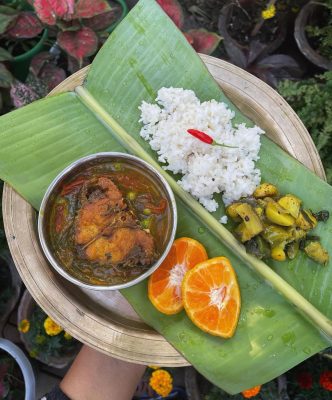
Pin Masor Tenga / Photo courtesy Irin Kashyap
Food to try near Kaziranga: Masor Tenga — a light, sour fish curry made with tomato or elephant apple — is the dish that defines Assamese cooking for most first-timers. Duck meat curry, cooked slow with mustard and bamboo shoot, is a local staple worth sitting down for. Pitha, a family of rice-based snacks steamed or pan-fried and served with jaggery and coconut at breakfast, makes the 5 AM safari departure considerably easier to face.
- Best time: November to April (park closes during monsoon)
- Book safaris well in advance during peak season: December to February
- Nearest airports: Jorhat (97 km) or Guwahati (217 km)
4. Tawang, Arunachal Pradesh
 Pin
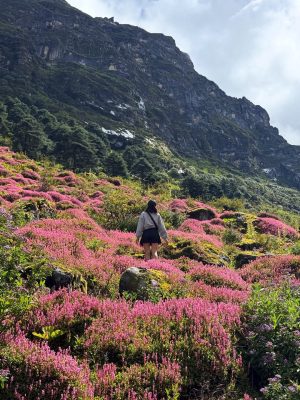
Pin Tawang, Arunachal Pradesh / Photo courtesy Sorenator Murry
Tawang sits at roughly 3,000 metres above sea level near the borders of Bhutan and Tibet, and it carries that altitude in everything — the thin air, the sparse vegetation, the way sound travels differently up there, and the overwhelming sense that the place has been thinking long, slow thoughts for centuries. The Tawang Monastery, founded in the 17th century, is the largest Buddhist monastery in India and the second largest in the world after Lhasa. That is not a minor detail to gloss over.
The monastery complex houses around 450 monks, a library of ancient manuscripts, and wall murals painted in colours that have held their depth across hundreds of winters. The chanting that drifts out of the prayer halls in early mornings carries the weight of something that has been going on, uninterrupted, for a very long time. The journey itself is half the experience — the Sela Pass at 4,170 metres is often snow-dusted even in October, and the road winds through clouds, past glacial lakes, and through army cantonments that remind travelers this is active border territory.
An Inner Line Permit is required for non-Arunachal residents. Sort it before arriving, not at the checkpoint.
 Pin
Pin Thukpa / Photo courtesy Simran Kothari
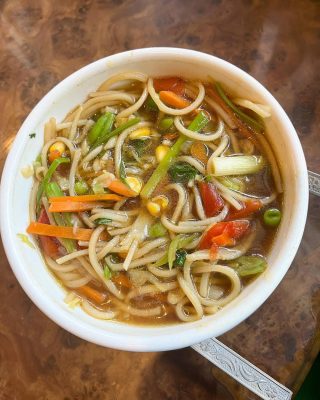
Food to try in Tawang: The food leans Tibetan, which makes complete sense. Thukpa — a hearty noodle soup with vegetables or meat — is the meal ordered most and most often correctly. Butter tea (Po Cha), made with yak butter and salt rather than sugar, divides opinion cleanly but is worth trying once for the pure experience of understanding why it exists in this climate. Momos stuffed with yak meat, served with fiery red chilli sauce, are available at tiny eateries near the monastery gate from mid-morning onwards and are the town’s most reliable comfort food.
- Best time: March to October
- Inner Line Permit required — apply online or at entry checkpoints
- Tawang Festival in November features masked dances worth timing a trip around
5. Ziro Valley, Arunachal Pradesh
 Pin
Pin Ziro Valley / Photo courtesy A Basumatary TravelA Basumatary Travel
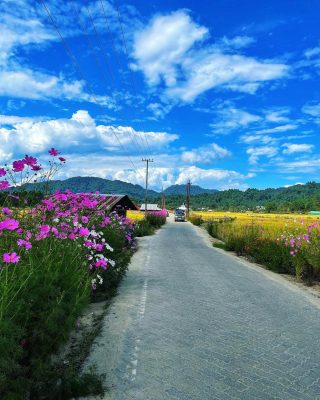
Ziro Valley looks like a painting made on a very good day. The lower Subansiri district sits at about 1,500 metres, ringed by pine-forested hills, with the valley floor covered in a patchwork of rice paddies tended by the Apatani tribe — one of the most ecologically sophisticated indigenous communities in the region. Their system of wet rice cultivation combined with fish farming is so advanced that UNESCO has been reviewing it for World Heritage recognition for years.
The older Apatani women carry traditional facial tattoos and large nose plugs — a practice that has largely stopped among younger generations. The reasons are layered and debated, but those who carry these marks wear them with a quiet dignity that makes listening more important than analysing. The village homestay culture here is warm, open, and accessible for independent travelers willing to plan ahead.
Then there is the Ziro Music Festival — four days every September under open skies, with pine hills as a backdrop and independent artists from across India and abroad performing on stages surrounded by fireflies. It is one of the most genuinely special music events in Asia, and that is a widely held opinion, not a niche one.
 Pin
Pin Pork Cooked with Bamboo Shoots / Photo courtesy Boro Cooks
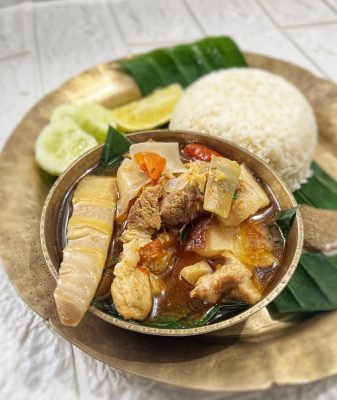
Food to try in Ziro: Pork cooked with bamboo shoot and smoked over wood fires is the centrepiece of most Apatani meals, and it smells exactly as good as that sounds. Amin — a fermented rice preparation — adds a sharp, tangy depth alongside most dishes. Fish raised directly in the paddy fields, cooked simply with ginger and local herbs, tastes of clean water and honest farming in a way that farmed fish elsewhere simply doesn’t. Meals in Apatani homestays are communal, unhurried, and often come with stories if the timing is right.
- Best time: September to November; Ziro Music Festival is in late September
- Reach via Itanagar, then a 3–4 hour drive
- Inner Line Permit required for non-Arunachal residents
6. Majuli, Assam
 Pin
Pin Majuli, Assam / Photo courtesy Surabhi KS
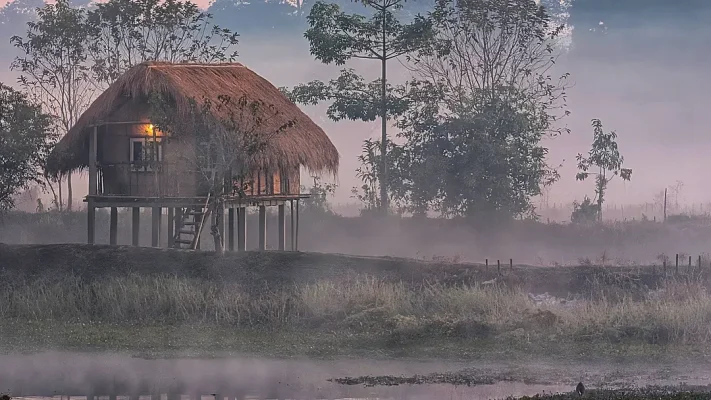
Majuli sits in the middle of the Brahmaputra River and holds the title of the world’s largest river island — though decades of erosion have been slowly reclaiming it, which gives the place a bittersweet undertone that thoughtful travelers feel immediately. The island is the cultural heartland of Vaishnavite Assam, home to the Sattra monasteries that have preserved classical Assamese music, dance, mask-making, and manuscript traditions for over five centuries.
The Sattras — around 22 still functioning on the island — are not museums. They are living institutions where monks called Bhakats perform daily rituals, rehearse Sattriya dance (a classical form with full national recognition), and maintain crafts that exist almost nowhere else. The mask-making tradition is extraordinary — papier-mâché masks up to three metres tall, painted in vivid natural pigments, used during the Raas festival every November.
Getting to Majuli requires a ferry from Jorhat across the Brahmaputra, and the crossing itself — wide water, shifting sandbars, distant treelines — puts the mind in the right mood well before arrival. Hire a bicycle on the island. Move slowly. That is the only sensible pace here.
 Pin
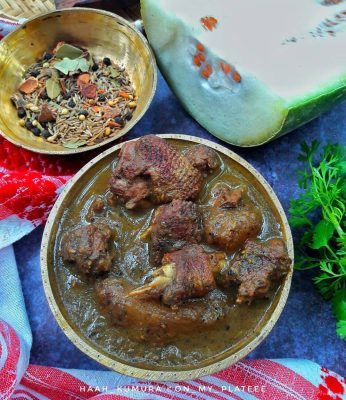
Pin Duck curry cooked with Ash Gourd / Photo courtesy Puravee Bordoloi
Food to try in Majuli: Khar — a traditional Assamese dish made with raw papaya or fish, cooked with alkali water derived from dried banana skin — sounds unusual and tastes unlike anything else. Duck curry cooked with ash gourd is a Majuli specialty at both festivals and family meals. Fresh Brahmaputra fish, simply pan-fried with mustard oil and turmeric, arrives at guesthouse meals with a freshness only possible this close to the river.
- Best time: October to March
- Reach via ferry from Nimati Ghat, Jorhat
- Stay at least two nights; one day is not enough
7. Loktak Lake, Manipur
 Pin
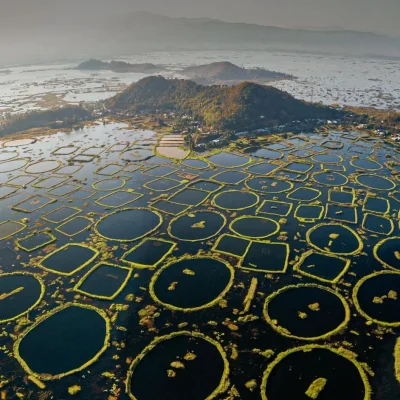
Pin Loktak Lake / Photo courtesy John Irom
Loktak Lake in Manipur is the largest freshwater lake in Northeast India, and it carries a feature found almost nowhere else on earth — phumdis, which are floating masses of vegetation, soil, and organic matter that drift slowly across the water’s surface. Some are small enough to step across in three strides. One — Keibul Lamjao National Park — is large enough to be the world’s only floating national park, home to the Sangai, Manipur’s state animal, a brow-antlered deer so rare and so graceful that spotting one feels like receiving unexpected good news.
The lake at dawn, with morning fog sitting low across the water and phumdis drifting in slow silence, holds the eye long past the point where most views let go. Fishermen in small wooden boats navigate between the floating islands with the calm confidence of people who have known this water their whole lives. The Sendra Island Tourist Home — a colonial-era rest house on a small island within the lake — is one of the more unusual places to spend a night anywhere in the region.
Moirang nearby carries significant historical weight — it was here that the Indian National Army first hoisted the Indian tricolour on Indian soil in 1944. The INA Museum at Moirang is small but carries genuine gravity.
 Pin
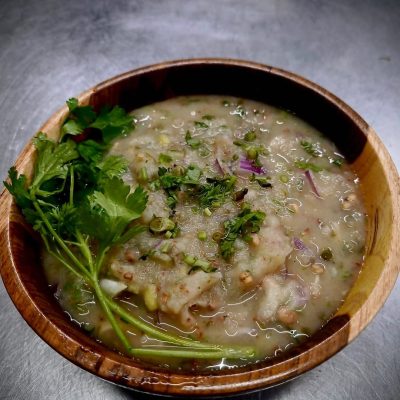
Pin Eromba / Photo courtesy Maven Kitchen Bengaluru
Food to try near Loktak: Manipuri cuisine is among the most distinctive in the region. Eromba — boiled vegetables mashed with fermented fish (ngari) and dried chilli — is pungent, complex, and completely addictive once the nose makes its peace with the fermentation. Singju, a raw salad of lotus stem, cabbage, and water plants tossed with fermented fish and chilli, is eaten as a snack at roadside stalls throughout Imphal. Fresh Loktak fish, cooked with local herbs in bamboo, arrives with a lightness that suits the lake’s quiet character entirely.
- Best time: October to March
- Reach via Imphal, about 53 km away
- Check current permit regulations for Keibul Lamjao before visiting
8. Dzukou Valley, Nagaland
 Pin
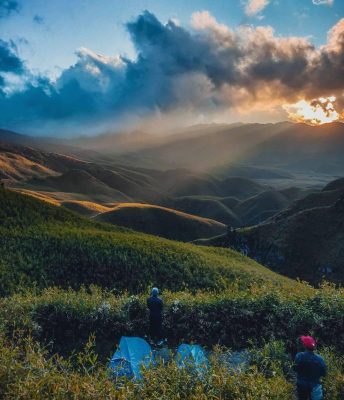
Pin Dzukou Valley / Photo courtesy MS Ganesh
Dzukou Valley sits on the Nagaland-Manipur border at around 2,452 metres, and every monsoon season it does something remarkable — it erupts in a carpet of Dzukou lilies, a flower that grows naturally only in this valley and absolutely nowhere else on the planet. The sight of those pale pink-white blooms spreading across the valley floor, backed by rolling green hills and moving cloud cover, is the kind of image that explains why serious hikers keep returning to the northeast.
The trek starts either from Viswema village or from Zakhama, and both routes reward effort with views that open gradually rather than all at once — which is the most satisfying way for a landscape to reveal itself. The valley has a basic rest house for overnight stays, and those who spend the night wake to a silence so complete it has texture. No vehicles, no electricity hum, no ambient noise of any kind. Just hills, wind, and the particular quality of early morning light at altitude.
Dzukou is a short drive from Kohima, Nagaland’s capital, where the Kohima War Cemetery — Allied and Japanese soldiers buried side by side from the 1944 battle — is one of the most quietly moving war memorials in Asia.
 Pin
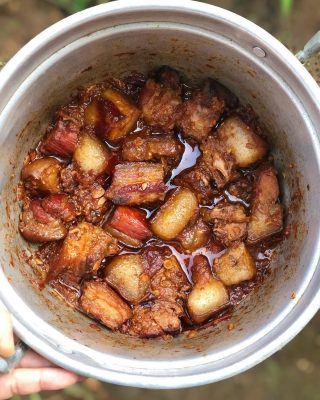
Pin Smoked pork with axone / Photo courtesy Feast with Senti
Food to try in Nagaland: Smoked pork with axone (fermented soybean) is the dish that defines Naga cuisine — deeply smoky, intensely funky, rich in a way that sits with you for hours. Anishi, made from fermented taro leaves cooked with pork or fish, is a preparation unique to Naga cooking that rewards open-minded eating. The local rice beer, Zutho, brewed at home and served in bamboo mugs, is mild, slightly sour, and pairs with the food the way it was always meant to be paired.
- Best time: June to September for the lily bloom; November to March for clear trekking weather
- Trek duration: 4–5 hours one way from Viswema
- Stay overnight in the valley rest house for the full experience — book ahead
9. Gangtok, Sikkim
 Pin
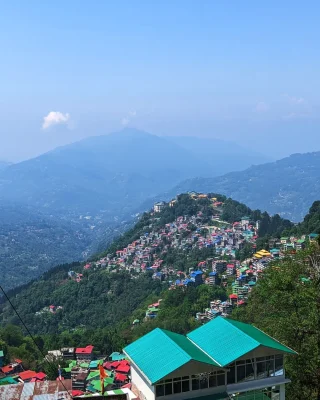
Pin Gangtok, Sikkim / Photo courtesy Soumen Bhowmick
Sikkim is the second smallest state in India, and Gangtok is its small, steep, surprisingly energetic capital. The city climbs a ridge at about 1,650 metres with the confidence only mountain towns possess — streets that go up instead of straight, views of Kanchenjunga (the world’s third highest peak) appearing between buildings on clear mornings, and a cleanliness that has become almost legendary by Indian standards. Sikkim banned plastic bags in 1998 and became the first fully organic farming state in India. The environment is taken seriously here, and the environment responds accordingly.
Rumtek Monastery, about 24 km from Gangtok, is one of the most significant centres of Tibetan Buddhism outside Tibet. Tsomgo Lake at 3,753 metres changes character entirely with the seasons — frozen and white in winter, surrounded by rhododendrons in spring, mirrored and still in autumn. North Sikkim — accessible by permit — offers Yumthang Valley, Gurudongmar Lake near the Tibetan border, and Zero Point near the snowline, all landscapes of such scale and austerity they are difficult to prepare for in advance.
 Pin
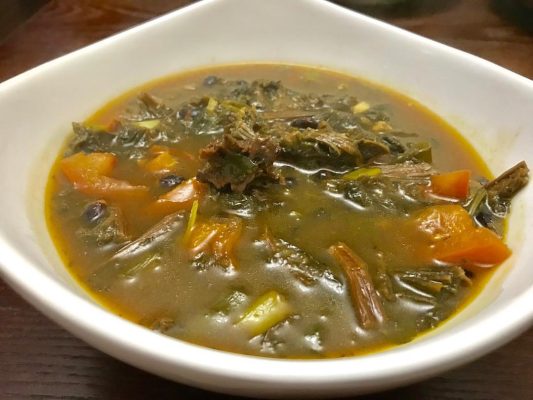
Pin Gundruk soup / Photo courtesy Think Nepali Food
Food to try in Gangtok: Gundruk soup — made from fermented leafy greens — is earthy and warming in the way only fermented things made at altitude manage to be. Sel Roti, a ring-shaped fried rice bread eaten at breakfast with yoghurt or pickle, is one of the most satisfying morning meals in the region. Chhurpi, a hard dried cheese from yak or cow milk, is chewed as a street snack throughout the day. And the momos here — steamed, fried, or pan-fried — come stuffed generously and arrive with a soup that doubles as the drink.
- Best time: March to May and October to December
- Permits required for North Sikkim and border areas — arrange through a registered local agent
- Kanchenjunga views are best from Tiger Hill viewpoint on clear mornings
10. Kohima & Hornbill Festival, Nagaland
 Pin
Pin Hornbill Festival / Photo courtesy Bedh Sharma
No list covering North East India is complete without addressing the Hornbill Festival — ten days every December when all the major Naga tribes gather at Kisama Heritage Village near Kohima to perform, compete, trade, and celebrate in a display of cultural vitality that has very few equivalents anywhere in the world. Warrior dances, traditional music, fire-making competitions, craft exhibitions, indigenous games, and a night carnival that runs loud and colourful well past midnight — the Hornbill Festival is not a tourist show. It is a community choosing to document and celebrate its own identity on its own terms, and that distinction is everything.
Kohima itself carries history that sits quietly but heavily. The Battle of Kohima in 1944 — described by historians as the Stalingrad of the East — was a turning point in the Burma Campaign. The War Cemetery on Garrison Hill, where the epitaph has stopped thousands of visitors mid-sentence, is a place of remarkable solemnity. The Deputy Commissioner’s tennis court, around which some of the fiercest fighting occurred, is preserved within the cemetery grounds.
Dimapur, Nagaland’s commercial entry point, holds the undervisited Kachari Ruins — large mushroom-shaped stone monoliths left by the medieval Kachari kingdom that deserve far more attention than they receive.
 Pin
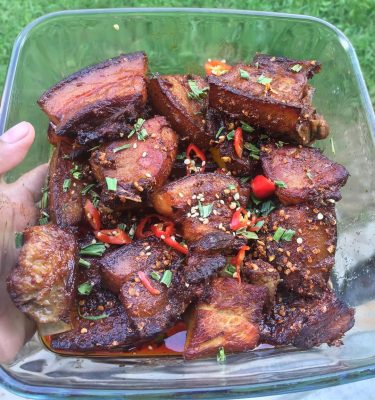
Pin Spicy Naga Fried Pork / Photo courtesy Roots & Leisure
Food to try at Hornbill Festival: The festival grounds operate as a walking food tour of all Naga tribes. Each tribal stall serves its own version of smoked meat, fermented preparations, and rice dishes that differ in ways requiring more than one visit to fully appreciate. Pork ribs roasted over open fire at the night market justify staying late. Naga chilli — the Bhut Jolokia, once certified the world’s hottest — appears in almost every dish. The heat is not decorative. It is structural. Approach with genuine respect.
- Best time: December 1–10 for the Hornbill Festival
- Book accommodation months in advance — festival period fills entirely
- Reach via Dimapur airport or railway station, then road to Kohima (74 km)
11. Aizawl, Mizoram
 Pin
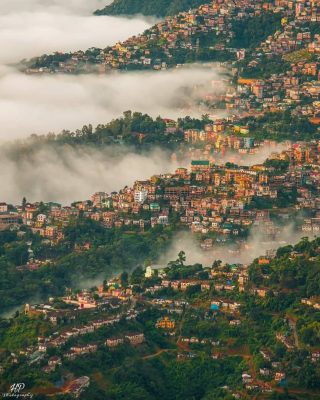
Pin Aizawl, Mizoram / Photo courtesy HP Photography
Aizawl is the kind of city that surprises people who arrive with low expectations and absolutely floors them. Mizoram’s capital sits dramatically on ridges and hillsides at around 1,100 metres, with houses stacked up steep slopes and roads that wind in ways that make navigation an act of faith. The city is immaculate by any standard — Mizoram consistently ranks among India’s cleanest and most literate states, and Aizawl wears both distinctions visibly.
The Mizo people are warm, English-speaking, and deeply musical — gospel choirs here can stop a foreign visitor mid-street with the quality of what drifts out of church windows on Sunday mornings. The Mizoram State Museum holds a serious collection of traditional Mizo costumes, weapons, and cultural artefacts. The Solomon’s Temple, a striking Christian church built on a hilltop, is visible from much of the city and has become something of an unofficial landmark. Durtlang Hills and Reiek Tlang offer trekking with views across the Mizo hills that stretch towards Myanmar on the horizon.
The Chapchar Kut festival in March — a spring harvest celebration with traditional Cheraw (bamboo) dance — is one of the most visually spectacular festivals in the entire northeast, and it remains genuinely underattended by outside visitors.
 Pin
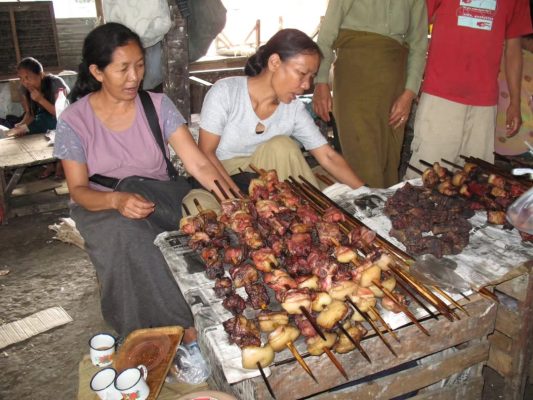
Pin Vawksa Rep / Photo courtesy Visit Mizoram
Food to try in Aizawl: Mizo cuisine is built around Bai — a stew of boiled vegetables and pork or fish cooked with fermented soybean — which is the closest thing to a national dish the state has. Sawhchiar, a thick rice porridge cooked with chicken or pork, is the comfort food of Mizoram and appears at family tables the way khichdi appears in Hindi-belt households. Vawksa Rep, smoked pork cooked simply with minimal spice, lets the smoke do all the talking. Fresh bamboo shoot preparations appear alongside almost every main meal, and the mustard-leaf salads served at local eateries have a peppery brightness that cleans the palate perfectly between bites.
- Best time: October to March; March specifically for Chapchar Kut festival
- Inner Line Permit required for all visitors including Indian nationals
- Reach via Lengpui Airport, about 32 km from Aizawl city centre
12. Champhai, Mizoram
 Pin
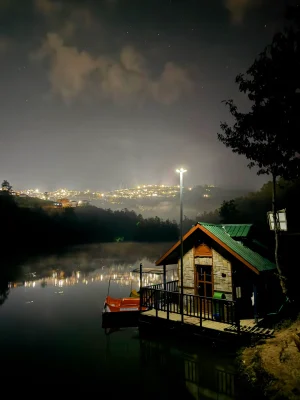
Pin Champhai, Mizoram / Photo courtesy H. Lawmsangzuali
Champhai sits at about 1,678 metres on Mizoram’s eastern border with Myanmar, and the description that locals use for it — “the fruit bowl of the East” — is earned rather than invented. The valleys around Champhai are thick with apple orchards, plum trees, and grape vineyards that produce fruit for much of the state, and the landscape in October, when orchards are heavy and the air is cool and sharp, is the kind of quiet agricultural beauty that doesn’t photograph well but lodges permanently in memory.
The Rih Dil Lake, just across the border in Myanmar but visible from Indian territory, holds enormous spiritual significance for the Mizo people. According to Mizo belief, the souls of the departed pass through Rih Dil on their journey to the afterlife. The lake is teardrop-shaped and surrounded by hills, and the cultural weight attached to a body of water you can see but not easily reach gives it a particular kind of resonance.
Murlen National Park, about 150 km north of Champhai, is one of the least visited national parks in India and one of the most biodiverse — hoolock gibbons, clouded leopards, and dozens of rare bird species live in forests that see very few human footprints in any given year.
 Pin
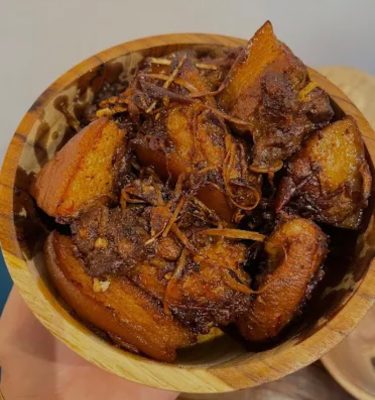
Pin Bamboo shoots with Pork / Photo courtesy Naga Relish Bengaluru
Food to try in Champhai: The fresh fruit here needs no preparation and no explanation — apples picked from trees visible from the road, sold by the bag at roadside stalls, are the kind of simple eating that makes all other snacking feel unnecessarily complicated. Local grape wine produced in the Champhai region is light, slightly sweet, and sold at small shops throughout town. Pork preparations with fresh bamboo shoot, specific to this altitude and this valley, have a cleaner flavour than their lowland equivalents because of the quality of the local bamboo and the freshness of the meat.
- Best time: October to February for cool weather and fruit season
- Reach via Aizawl by road, approximately 5–6 hours
- Inner Line Permit required; Myanmar border areas have additional restrictions
13. Agartala & Tripura
 Pin
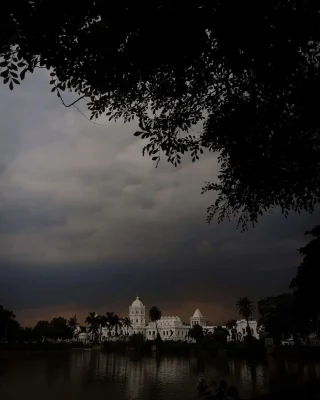
Pin Ujjayanta Palace, Tripura / Photo courtesy Deepjoy Ghosh
Tripura is the second smallest state in India and one of the least-visited corners of the northeast, which is genuinely baffling once you spend a day inside it. Agartala, the capital, sits close enough to Bangladesh that the border is visible from certain elevated points in the city, and the cultural mixture — Bengali, Tripuri, and tribal influences layered over each other across centuries — produces a character unlike anything elsewhere in the region.
The Ujjayanta Palace, built by the royal family of Tripura in 1901, is a white-domed structure set in formal gardens that now houses the Tripura State Museum. The collection inside — tribal costumes, royal artefacts, ancient manuscripts — is well-curated and worth a full afternoon. The Neermahal Water Palace, built in 1930 in the middle of Rudrasagar Lake and accessible only by boat, is one of the most architecturally unusual structures in all of Northeast India — a palace that sits on water and reflects itself in it at every hour of the day.
The Tripura Sundari Temple at Udaipur, about 55 km from Agartala, is one of the 51 Shakti Peethas of Hinduism and draws pilgrims from across the country. The town of Udaipur itself, quiet and tree-lined, makes a good overnight stop.
 Pin
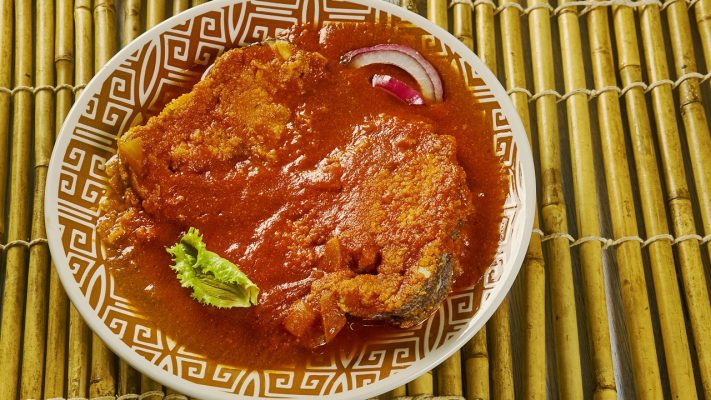
Pin Mui Borok / Photo courtesy Incredible India
Food to try in Agartala: Tripura’s cuisine, known collectively as Mui Borok, is built around fermented fish paste called Berma, which functions the way fish sauce functions in Southeast Asian cooking — as an invisible depth-giver in almost every preparation. Gudok, a stew of dried fish, bamboo shoot, and vegetables slow-cooked together, is the most representative dish of the state. Chakhwi, a chicken or pork stew with bamboo shoot and flavoured with aromatic local herbs, is warming and complex. Kosoi Bwtwi, a dish of boiled black sesame with vegetables, is simple and nutritious and eaten at home far more than it ever appears on restaurant menus.
- Best time: October to March
- Agartala has an airport with direct flights from Kolkata and other cities
- No special permits required for most of Tripura — more accessible than many northeast states
14. Dawki & Mawlynnong, Meghalaya
 Pin
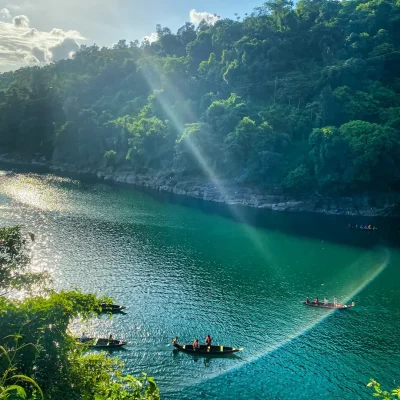
Pin Umngot River / Photo courtesy Farhad Ozil
Dawki sits on the Meghalaya-Bangladesh border, and the Umngot River that runs through it does something that first-time visitors genuinely refuse to believe until they see it — the water is so clear that the boats moored on its surface appear to be floating in mid-air rather than on water. The river bottom is visible in perfect detail several metres below, every stone distinct, every ripple playing across a surface that functions more like glass than water. Photographs of Dawki look edited. They are not.
Mawlynnong, about 90 km from Shillong, was declared Asia’s cleanest village in 2003 and has maintained that reputation with the kind of community-level discipline that makes municipal governments elsewhere feel quietly ashamed. The village has bamboo dustbins at every corner, a strict no-plastic rule enforced by residents rather than authorities, and a living root bridge that is smaller and more intimate than the famous ones near Cherrapunji. A sky walk of bamboo and wood at the village edge looks out over the Bangladesh plains below.
Together, Dawki and Mawlynnong make a logical and deeply satisfying day trip from Shillong — two places that demonstrate what a community can achieve when it decides, collectively, to take care of what it has.
 Pin
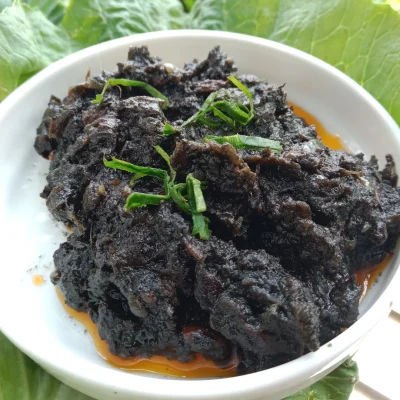
Pin Tungrymbai chutney / Photo courtesy Josie Paris Renthlei
Food to try at Dawki and Mawlynnong: Village cooking in Meghalaya at its most honest — Tungrymbai chutney made from fermented soybeans served with steamed rice and a piece of smoked pork is the standard lunch at homestays and small eateries in both villages. Jadoh cooked in smaller, home-style portions (as opposed to the restaurant versions in Shillong) has a more personal quality — less seasoned for outside palates, more direct. Fresh sugarcane juice pressed at roadside stalls along the Dawki road is cold, sweet, and exactly what is needed after watching that river for an hour.
- Best time: October to May (the river clarity is highest outside the monsoon season)
- Both places can be covered in one long day from Shillong
- The Bangladesh border checkpoint at Dawki is operational — carry identification
15. Namdapha National Park, Arunachal Pradesh
 Pin
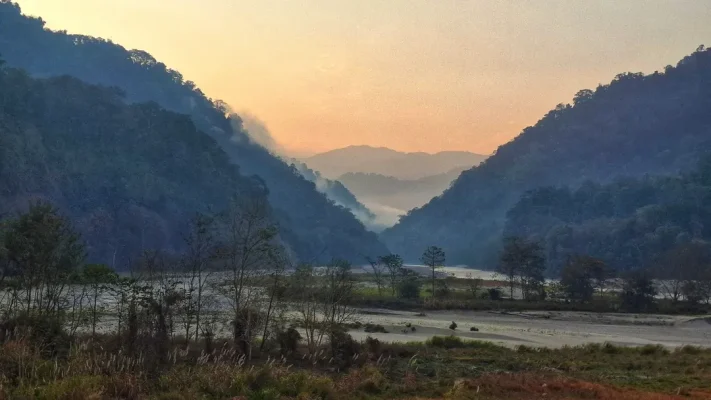
Pin Namdapha National Park / Photo courtesy Life of the City
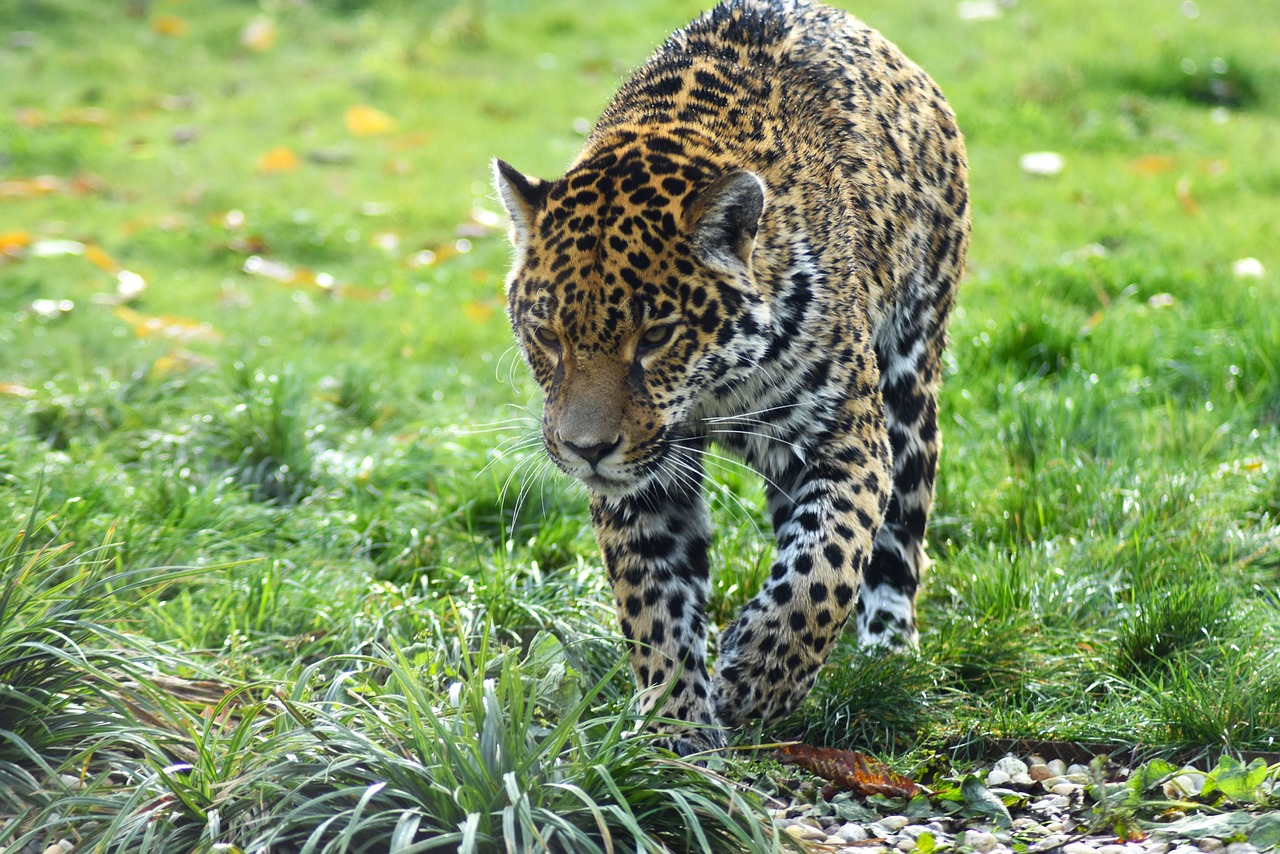
Namdapha National Park is the largest protected area in Northeast India and the third largest national park in the country. It covers over 1,985 square kilometres in the remote Changlang district of Arunachal Pradesh, bordering Myanmar, and it holds a distinction that very few parks anywhere in the world can claim — it is the only protected area on earth to house four large cat species: tiger, leopard, snow leopard, and clouded leopard. All four live here. Very few people ever see any of them, which is precisely as it should be.
The park rises from 200 metres at the Noa-Dihing River valley to over 4,500 metres at the Tibetan border, meaning it contains tropical rainforest, temperate forest, alpine meadow, and permanent snowfields all within one boundary. The biodiversity is staggering — hoolock gibbons call through the canopy at dawn, hornbills cross clearings in slow, heavy wingbeats, and the Namdapha flying squirrel, found only here, glides between trees in the evening light. This is a park for serious naturalists and trekkers who don’t require comfort to feel rewarded.
Access is difficult by design and by geography. The nearest town, Miao, is the base for park entry, and the infrastructure inside is minimal. That is a feature, not a flaw.
Food to try near Namdapha: The Lisu, Tangsa, and Chakma tribal communities around Namdapha cook with ingredients sourced entirely from the forest — bamboo shoot, wild greens, river fish, and game (where legal) prepared over wood fires in bamboo vessels. Tangsa pork, marinated in local herbs and smoked slowly, is the most frequently encountered dish at village homestays near Miao. Rice cooked inside bamboo stalks sealed with banana leaf arrives at the table with a faint smokiness and a fragrance that has no equivalent anywhere outside this kind of cooking. Meals here are functional, deeply flavoured, and honest in a way that reminds you what food was before it became a category.
- Best time: November to March
- Inner Line Permit required; arrange a registered local guide — non-negotiable for safety
- Reach via Dibrugarh airport in Assam, then road to Miao (approximately 160 km)
The Food of North East India: A Separate Journey Worth Planning For
If the landscapes of North East India are its face, the food is its honest, unguarded voice — and it says things that mainland Indian cuisine simply doesn’t. The cooking across these eight states shares a common philosophy: use what the land and the river provide, preserve what cannot be eaten immediately, and waste nothing. That philosophy produces a cuisine of fermented flavours, smoked meats, bamboo-based cooking, and preparations that are unlike anything most Indian food lovers have encountered before.
Fermentation is the spine of the region’s food culture. Axone in Nagaland, Tungrymbai in Meghalaya, Ngari in Manipur, Anishi in Nagaland, Kinema in Sikkim, and Berma in Tripura — each is a fermented preparation unique to its state, each carries a pungency that signals depth rather than spoilage, and each anchors the local cuisine in ways that no substitute can replicate. Bamboo shoot appears across Arunachal, Nagaland, Manipur, Mizoram, and Tripura as vegetable, flavouring agent, and cooking vessel simultaneously.
Smoked meat is the other constant that runs through the entire region. Pork, beef, yak, duck, and river fish are all smoked across the northeast using traditional methods that vary by tribe and by altitude. The smoke is not a flavouring addition — it is the method of preservation, the memory of winter, and the identity of the kitchen. A meal of smoked pork with fermented bamboo shoot, eaten at a wooden table in a village homestay with rice wine in a bamboo mug, is not a culinary experience in the magazine sense. It is just lunch. And that is exactly why it is so good.
A regional food summary worth keeping:
Assam is known for Masor Tenga, Khar, Pitha, and duck curry. Meghalaya brings Jadoh, Dohkhlieh, and Pumaloi. Nagaland is defined by smoked pork with axone and Zutho rice beer. Manipur offers Eromba, Singju, and Loktak fish preparations. Arunachal Pradesh serves Thukpa, bamboo-cooked rice, and fermented pork. Sikkim contributes Gundruk soup, Sel Roti, Chhurpi, and generous momos. Mizoram brings Bai, Sawhchiar, and Vawksa Rep. Tripura offers Gudok, Chakhwi, and Berma-based preparations. Every state has a fermented something, a smoked something, and a bamboo something — and all three are usually on the same plate.
FAQs
Yes — most of the region is safe, welcoming, and hospitable. The locals across all eight states are known for warmth toward visitors. Standard travel awareness applies, and some border areas require permits and registered guides.
Meghalaya or Sikkim are the most accessible entry points — well-connected by air, largely English-speaking, relatively easy to navigate independently, and immediately rewarding without requiring heavy advance planning.
Arunachal Pradesh, Manipur, Mizoram, Nagaland, and parts of Sikkim require an Inner Line Permit for Indian nationals. Foreign visitors need a Protected Area Permit for several destinations. Assam, Meghalaya, and Tripura are open without permits.
October to April covers most destinations comfortably. The monsoon from June to September is spectacular in Meghalaya specifically but makes road travel difficult in Arunachal and Nagaland. September is ideal for Ziro Music Festival.
Ten to fourteen days covers two to three states with reasonable depth. To do the region honest justice across all eight states, three to four weeks is the minimum worth planning for. It is not a weekend destination — it is a life decision.








 Login with Google