








Generic selectors
Exact matches only
Search in title
Search in content
Post Type Selectors
Generic selectors
Exact matches only
Search in title
Search in content
Post Type Selectors

Horizon Dwellers

Category: Nature’s Secret

monarch butterfly covering trees

Monarch Butterfly Covering Trees – A Spectacular Migration Phenomenon

Monarch butterfly migration is one of the most remarkable natural phenomena in the world. Each year, millions of monarch butterflies embark on a long journey from their breeding grounds in North America to their overwintering sites in central Mexico and coastal California. This migration is unique because it spans multiple generations of butterflies. The journey begins in late summer and early fall, with monarchs traveling thousands of miles to reach their winter habitats. In spring, the butterflies start their return trip northward, laying eggs along the way, which hatch into caterpillars and eventually metamorphose into the next generation of butterflies. monarch butterfly covering trees

most unique hybrid animals

Top 10 Most Unique Hybrid Animals in the World

Hybrid animals are the result of crossbreeding between two different species, creating unique offspring that often exhibit characteristics from both parent species. These hybrids can occur naturally in the wild or be intentionally bred by humans for various purposes. The fascination with hybrid animals stems from their rarity and the intriguing blend of traits they inherit from their parents. most unique hybrid animals

Animals with Regenerative Abilities

Animals with Regenerative Abilities: How Some Animals Heal Like Magic

Regeneration in the animal kingdom is a remarkable phenomenon, providing insights into evolutionary adaptations and survival strategies. It serves as a bold reminder that within the natural world lies an array of life forms sculpted by millennia of adaptation, each equipped with unique mechanisms to counteract the trials of existence. The secrets behind these abilities are not only fascinating from a scientific perspective but also hold potential applications for medicine and technology in human life.
Animals with Regenerative Abilities

Himalayan Pika

Himalayan Pikas Use Weather Signals to Plan for Winter

In the high-altitude regions of the Himalayas, a small, fluffy mammal known as the pika is busy preparing for the harsh winter months. These adorable creatures, often mistaken for rodents, are actually more closely related to rabbits. But what makes them truly fascinating is their unique strategy for surviving the cold: they wait for specific weather cues before making their winter plans. Himalayan Pika

Marmoset

Life in the Canopy – The Marmoset Experience

Marmosets are small, social primates native to South America, belonging to the family Callitrichidae. These delightful creatures typically measure around 5 to 9 inches in length, with a long, tufted tail that aids in their acrobatic movements through dense forests. Marmosets exhibit a range of vibrant colors, often featuring a mix of brown, gray, and white fur.

Animal Disguises

Revealing the Top 10 Experts of Animal Disguises

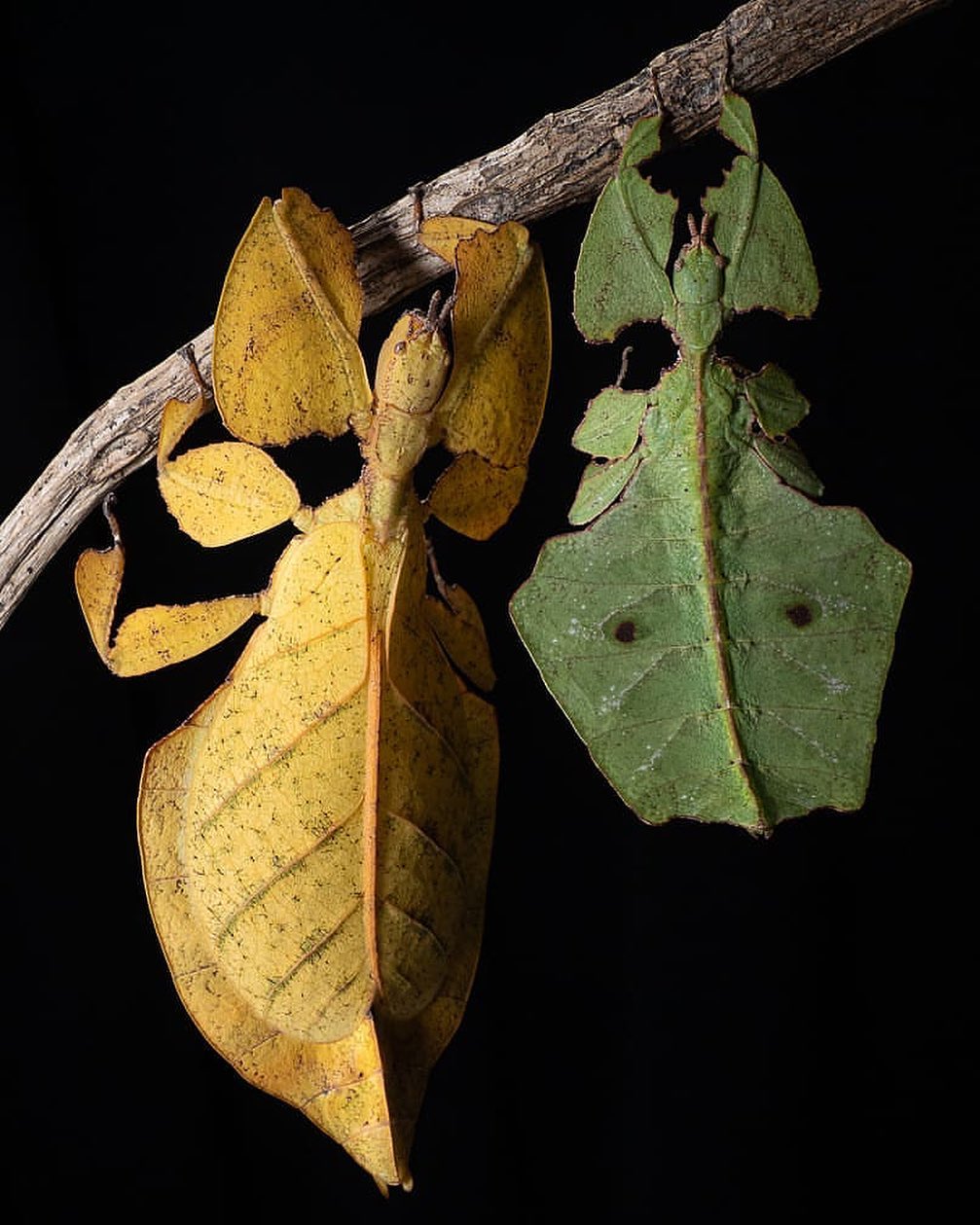
Nature has bestowed upon various creatures the remarkable ability to camouflage themselves with their surroundings, making them masters of disguise. These incredible animals have developed unique adaptations to blend seamlessly into their environments, whether it be through mimicry, coloration, or behavior. Join us on a journey to explore the top 10 animals that showcase the art of camouflage in the wild. Animal Disguises

Immortal Animals

Eternal Marvels: Exploring the Top 9 Immortal Animals That Defy Time

In the vast tapestry of the animal kingdom, there exist extraordinary creatures that seem to possess the secret of eternal life. From microscopic marvels to majestic beings, the world is home to a fascinating array of immortal animals that challenge our understanding of mortality. Join us on a remarkable journey as we unveil the top 9 immortal animals that continue to captivate and astonish scientists and nature enthusiasts alike.

Mosquito Repellent Plants

Say Goodbye to Pesky Mosquitoes: Top 13 Mosquito Repellent Plants for Your Garden

Mosquitoes can quickly turn a relaxing evening outdoors into a frustrating battle against itchy bites. While there are countless sprays and creams on the market to ward off these pests, why not take a natural approach by incorporating mosquito repellent plants into your garden? Not only do these plants help keep mosquitoes at bay, but they also add beauty and fragrance to your outdoor space. Lavender: Known for its lovely scent, lavender is a powerhouse when it comes to repelling mosquitoes. Plant it in sunny areas with well-drained soil to enjoy both its beauty and mosquito-repelling properties.

Coral Reefs

Unlocking the Secrets of Coral Reefs: 5 Reasons Why They Are Vital for Our Planet and Top 10 Coral Reef Destinations Around the World

Coral reefs are often referred to as the “rainforests of the sea,” and for good reason. These vibrant underwater ecosystems are not just breathtakingly beautiful but also play a crucial role in supporting life on Earth. From providing habitat for marine creatures to protecting coastlines and sustaining local economies, coral reefs are vital in more ways than one. As biodiverse hotspots, coral reefs support a myriad of marine species, making them essential for the health of our oceans. By providing food, shelter, and breeding grounds for a wide array of fish, invertebrates, and other organisms, coral reefs help maintain the delicate balance of marine ecosystems. Losing coral reefs would not only jeopardize these species but also disrupt the intricate web of life that depends on them. Top 10 Coral Reef Destinations

Tijuca National Park

Tijuca National Park: The Fight to Rewild the World’s Largest Urban Forest

Rio de Janeiro, renowned for its beaches, football, and Carnival, is also home to a hidden gem – the world’s largest urban forest, the Tijuca forest. This forest is not just any ordinary woodland. Protected since 1861, even before the establishment of the first national park in the United States, the Tijuca National Park spans 40 sq km and is a part of the Atlantic Forest, which was once a vast biome stretching across 1,000,000 sq km of the Brazilian coastline. Unfortunately, only about 15% of the Atlantic Forest remains today, largely due to sugarcane and coffee plantations, as well as logging by European colonists dating back to the 16th Century.

Subscribe free & never miss our latest stories

or

This site is protected by reCAPTCHA and the Google Privacy Policy and Terms of Service apply.

or

This site is protected by reCAPTCHA and the Google Privacy Policy and Terms of Service apply.