










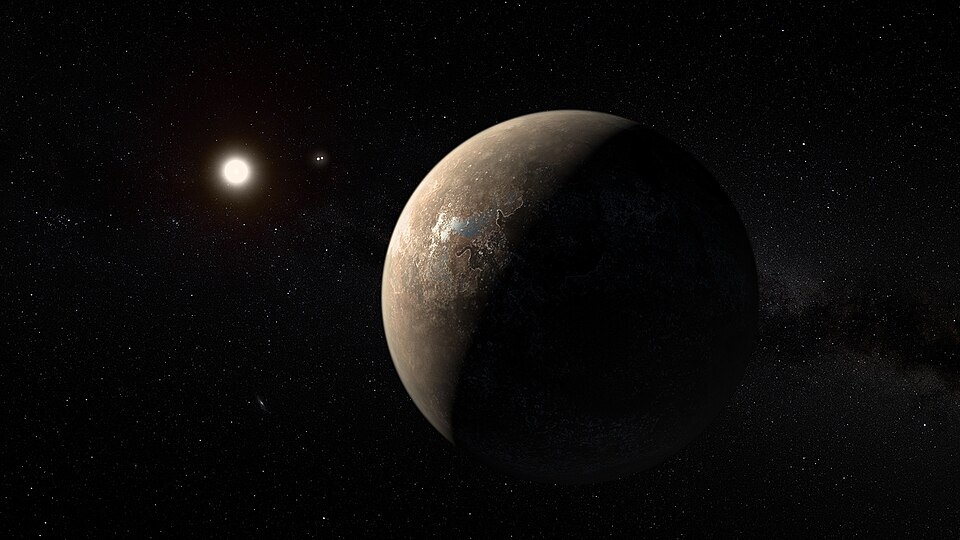
10 Planets and Moons Where Life Could Exist, According to NASA
NASA has been quietly building a shortlist of worlds that might support life — and some answers are closer than you’d expect.


NASA has been quietly building a shortlist of worlds that might support life — and some answers are closer than you’d expect.
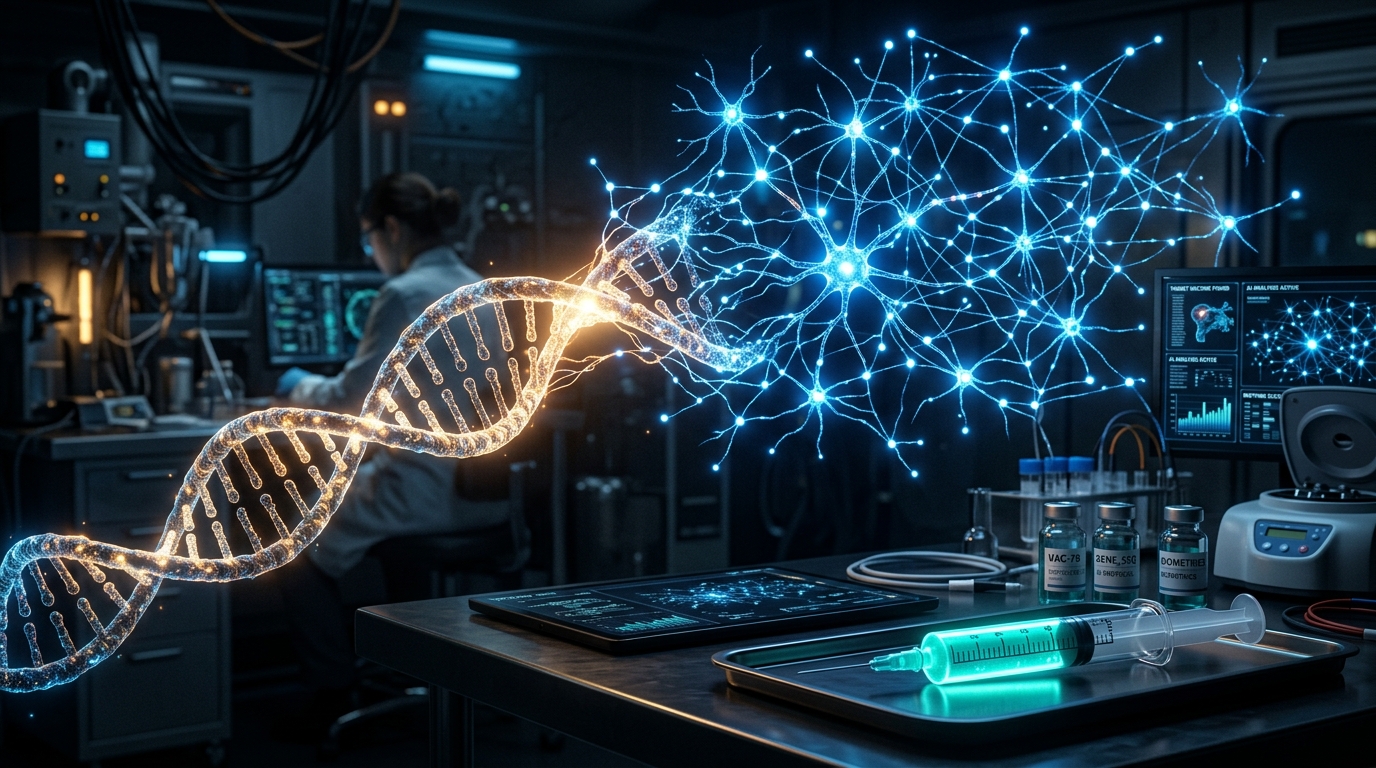
How a vaccine is made using AI is no longer just lab science — it’s a fast, personalized process that’s rewriting medicine one molecule at a time.
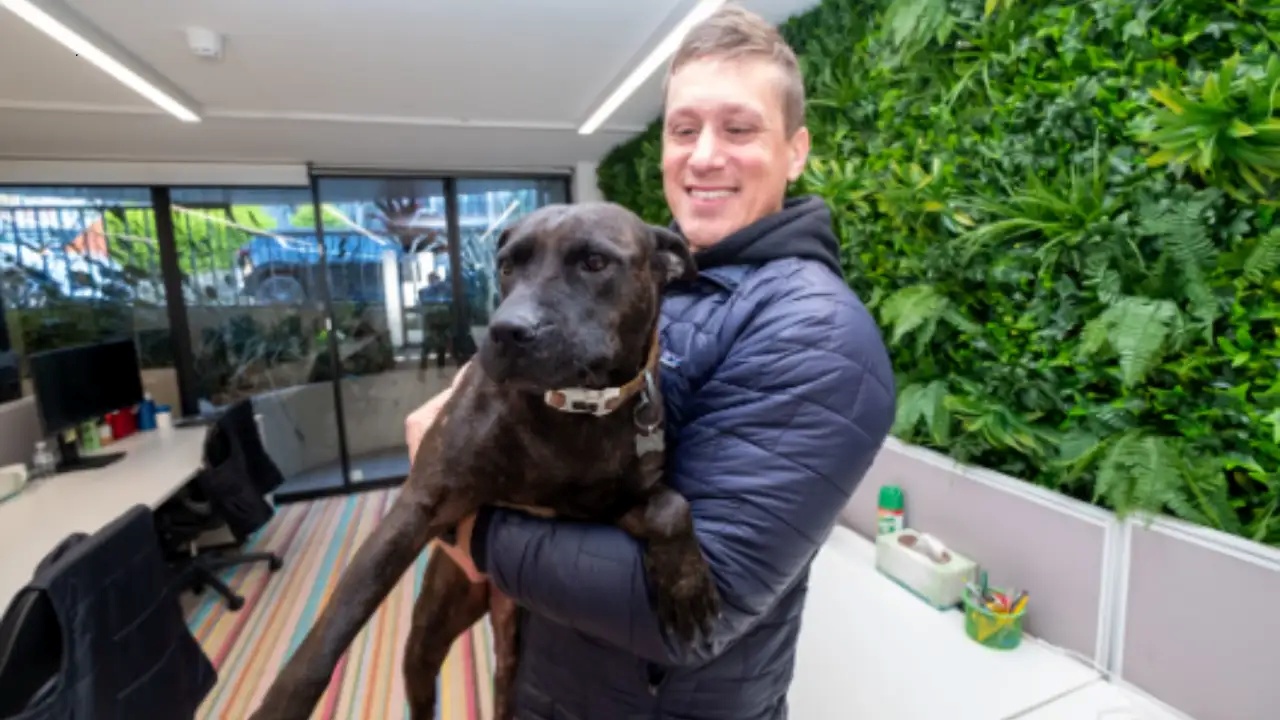
Paul Conyngham uses AI to create cancer vaccine for his dog Rosie — and it’s one of the most quietly extraordinary stories of our time.
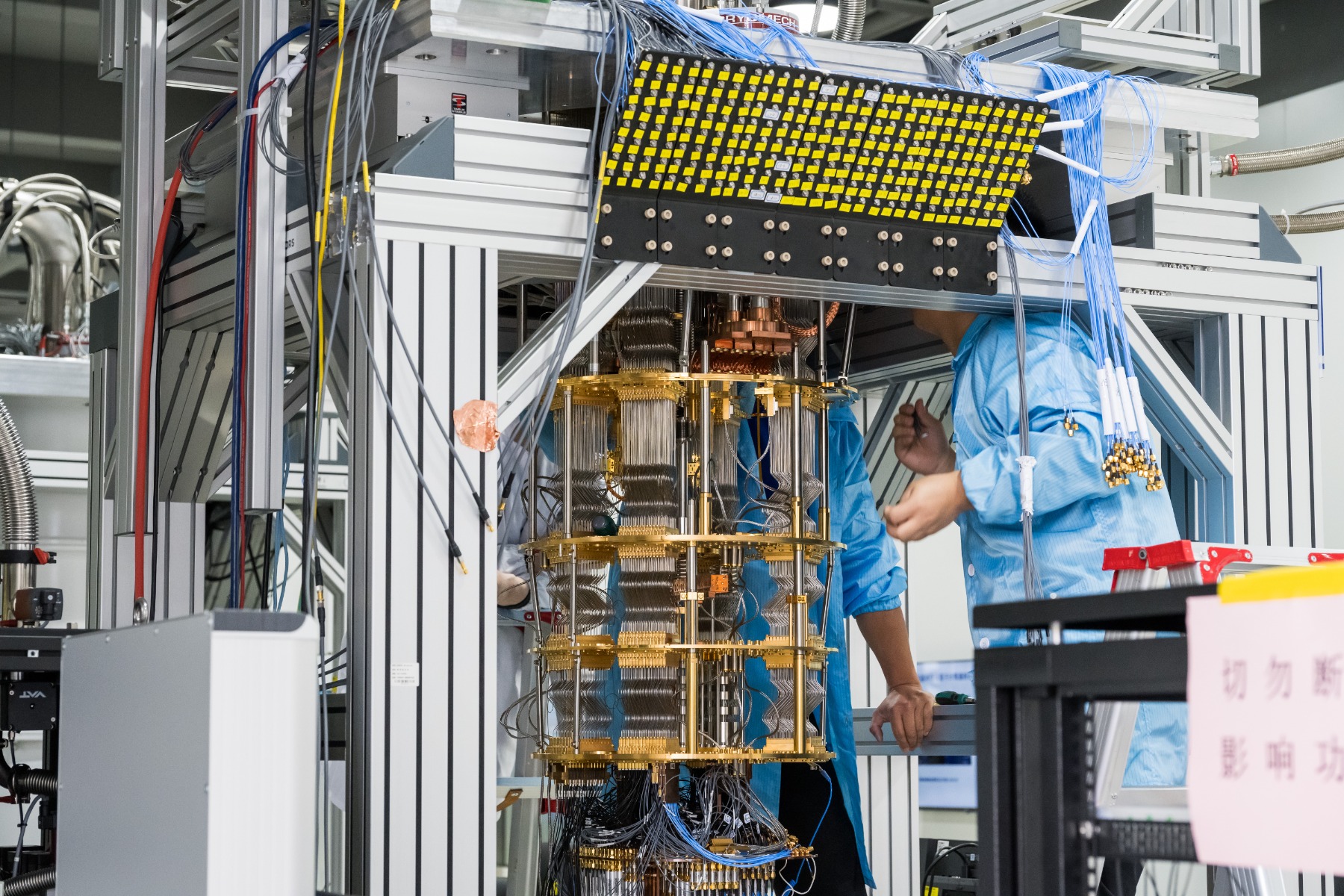
China’s quantum computing operating system available for online download — Origin Pilot — just changed who gets a seat at the quantum table, and the implications stretch far beyond Beijing.
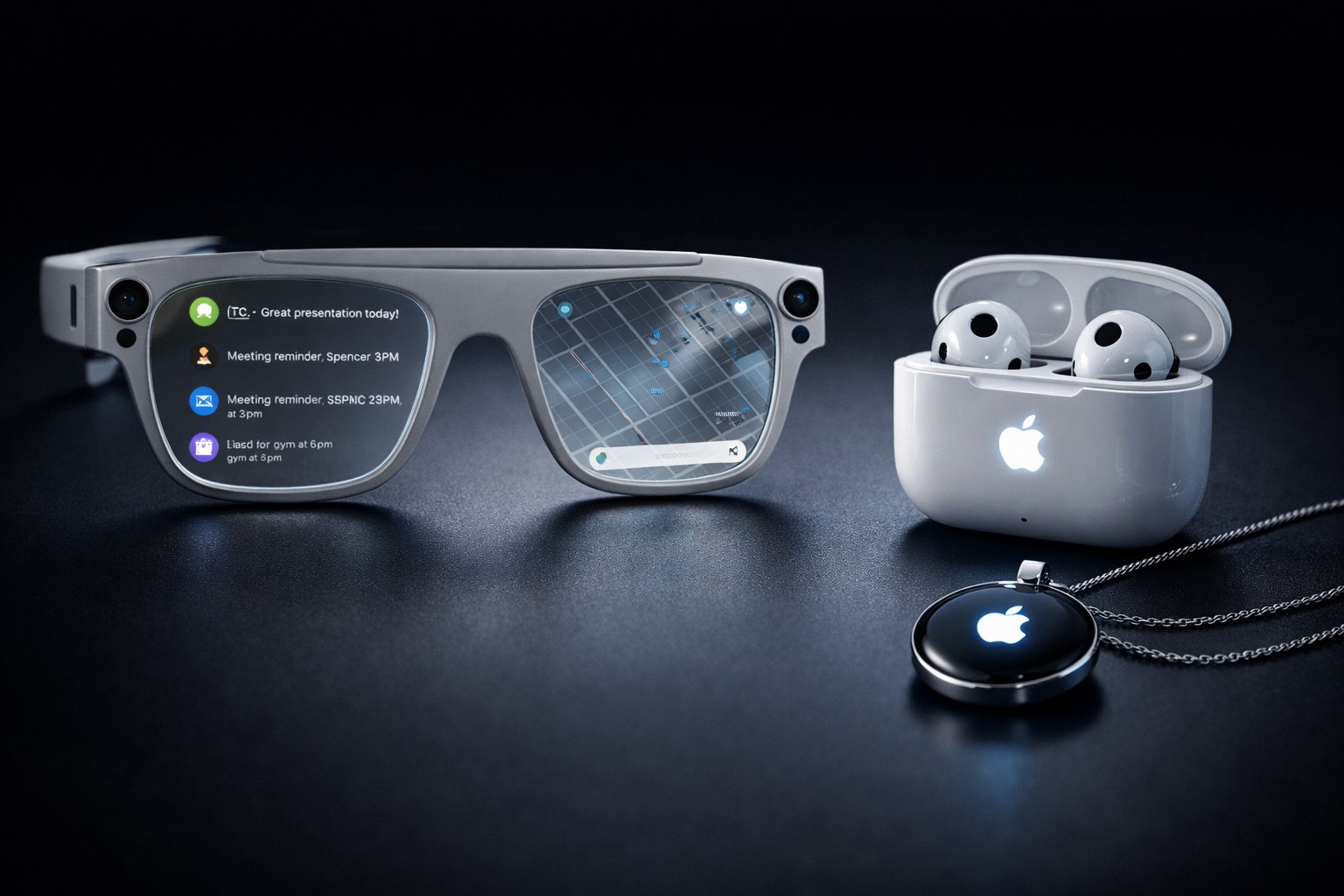
Apple Boosts Development of AI Glasses and two other wearable devices — and the tech world is watching to see if Cupertino can finally give Meta a real fight worth having.
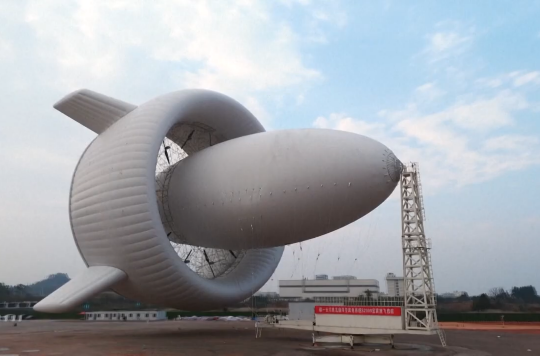
China tests flying wind turbine that floats 1,000 feet up. This airborne breakthrough could power remote areas where traditional turbines can’t reach.

A Chinese girl’s tearful farewell to her AI companion Sister Xiao Zhi sparked millions of views and intense debate about children forming bonds with intelligent machines.
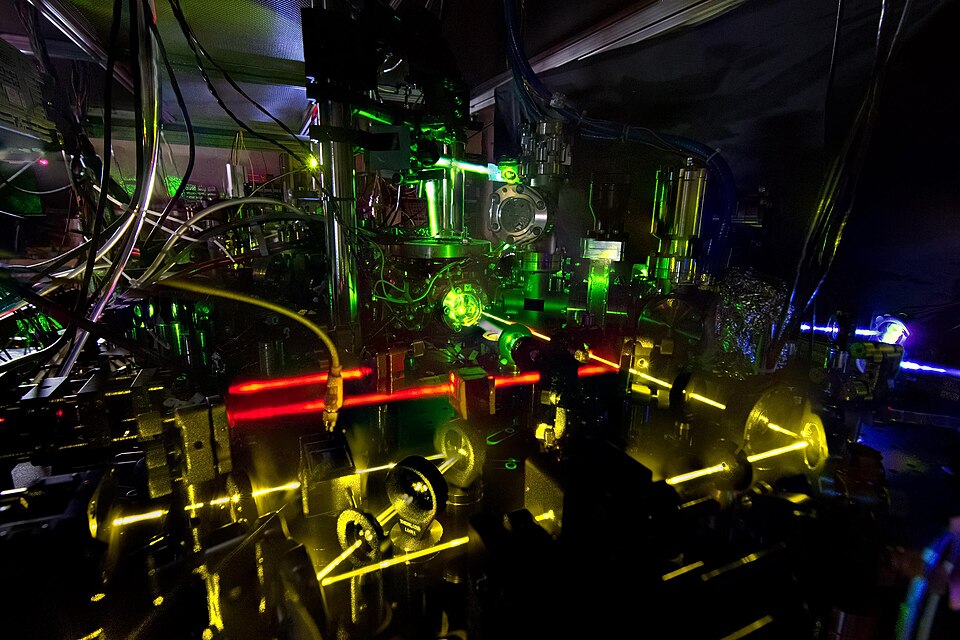
Scientists maintain the most accurate time using atomic clocks that measure cesium atoms. This precise timekeeping system keeps our connected world running smoothly.

BlackRock Built a Trillion-Dollar Fund Management Engine using Aladdin, a platform that transformed global investing through data and AI-powered risk management.
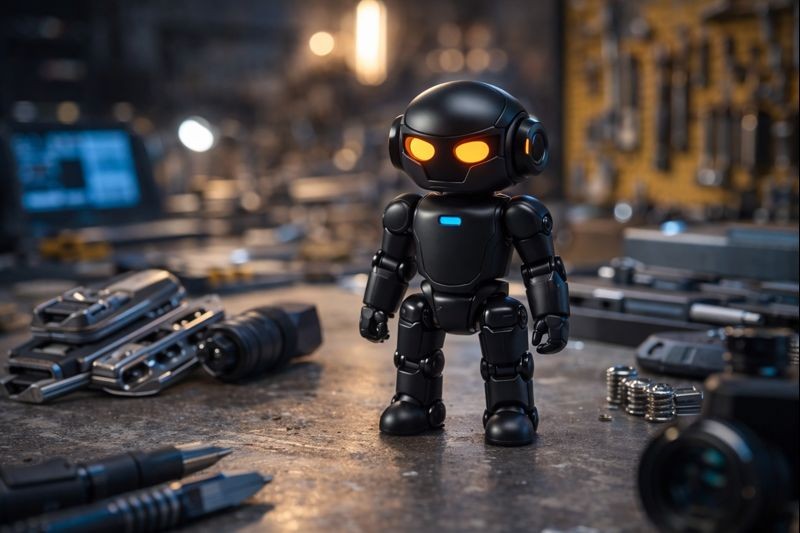
Pocket-sized robots now navigate human hearts, hunt cancer cells, and rescue disaster survivors. These miniature marvels are accomplishing what seemed impossible a decade ago.
 Login with Google