






















 Pin
Pin Mountain Laurel / Photo courtesy Mt. Cuba Center
Synopsis: Nature has a sneaky side. Across backyards, parks, and hiking trails grow dozens of plants that look completely innocent—maybe even beautiful—but contain toxins that can cause serious harm. From common garden favorites to wild roadside blooms, these botanical hazards hide in plain sight. Some cause mild skin irritation, while others can trigger organ failure or worse. Knowing which plants to avoid could save you, your kids, or your pets from a painful or dangerous encounter.
Your garden might look like paradise, but it could be harboring silent threats. Many popular ornamental plants contain compounds that evolved as defense mechanisms against hungry animals. The problem? Humans and pets don’t always recognize these warnings.
A curious toddler might pluck a colorful berry, or your dog could nibble on leaves during a backyard romp. These poisonous plants don’t announce themselves with warning labels—they just sit there looking lovely until someone makes contact.
Table of Contents
1. Oleander
 Pin
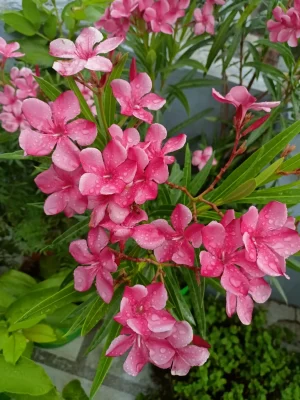
Pin Oleander / Photo courtesy Vishal Saini
Drive along any warm-climate freeway and you’ll spot oleander shrubs lining the roads with their pink, white, or red flowers. Every single part of this plant contains cardiac glycosides that mess with your heart rhythm. People have died from using oleander branches as skewers for roasting marshmallows. Even the smoke from burning oleander can make you sick. Despite its toxicity, cities plant it everywhere because it’s drought-tolerant and pretty—a dangerous combination when kids are around.
Oleander toxicity information: All plant parts are toxic including roots, stems, leaves, flowers, and seeds. The plant contains cardiac glycosides that cause irregular heartbeat, nausea, blurred vision, and potentially death. Smoke from burning oleander branches releases toxic fumes. Contact with the milky sap may irritate skin. A single leaf can be lethal if ingested by a child or pet.
2. Foxglove
 Pin
Pin Foxglove / Photo courtesy Nightshade Handmade
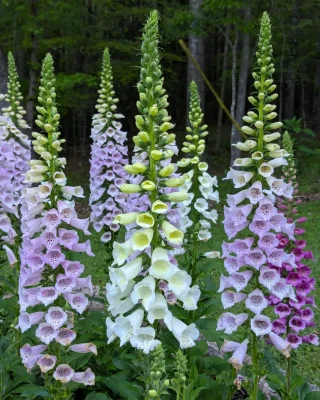
Those tall spikes covered in tubular purple or pink flowers look straight out of a fairy tale. Foxglove contains digitalis, which doctors actually use in controlled doses to treat heart conditions. But in raw form, eating even a small amount can cause irregular heartbeat, nausea, and hallucinations. The leaves look similar to comfrey, an edible herb, which has led to accidental poisonings. Gardeners love foxglove for its cottage garden charm, not realizing how dangerous it truly is.
Foxglove danger details: Contains digitoxin and digoxin throughout the entire plant. Symptoms include abnormal heart rate, tremors, visual disturbances with yellow or green halos, confusion, weakness, and convulsions. The plant remains toxic even when dried. Mistaken identity with edible plants like comfrey causes frequent poisonings. Just a few leaves can be fatal to adults.
3. Lily of the Valley
 Pin
Pin Lily of the Valley / Photo courtesy Barbara Miller
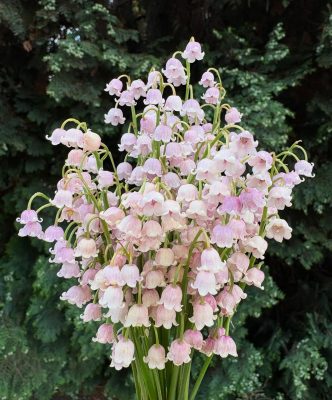
These delicate white bell-shaped flowers smell heavenly and look innocent enough to belong in a wedding bouquet. Yet lily of the valley contains over 38 different cardiac glycosides. Eating any part causes vomiting, dizziness, and dangerous heart problems. The red berries that appear after flowering are especially tempting to small children. Even the water from a vase holding these flowers can be toxic. They spread aggressively through gardens, multiplying the risk each season.
Lily of the valley toxicity facts: All parts contain cardiac glycosides including convallatoxin and convallamarin. Symptoms include nausea, vomiting, irregular heartbeat, confusion, and blurred vision. The bright red berries are particularly attractive to children. Even water from flower arrangements becomes contaminated. The plant’s aggressive spreading habit increases exposure risk in yards.
4. Angel's Trumpet
 Pin
Pin Angel’s Trumpet / Photo courtesy Sunken Gardens
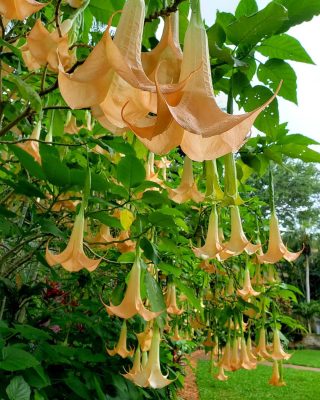
Those massive, pendulous trumpet-shaped blooms dangling from ornamental trees seem magical at dusk when they release their sweet fragrance. But angel’s trumpet contains scopolamine, atropine, and other alkaloids that cause terrifying hallucinations, seizures, and can lead to coma. Teenagers sometimes experiment with the plant for its psychoactive effects, landing themselves in emergency rooms. The entire plant is toxic, and even touching it can cause skin irritation in sensitive individuals.
Angel’s trumpet toxic properties: Contains tropane alkaloids including scopolamine, hyoscyamine, and atropine. Effects include severe hallucinations, dilated pupils, rapid heartbeat, fever, seizures, paralysis, and coma. All parts are poisonous including flowers, leaves, seeds, and roots. Intentional abuse for hallucinogenic effects frequently results in hospitalization or death. Skin contact can cause irritation and alkaloid absorption.
5. Castor Bean
 Pin
Pin Castor Bean / Photo courtesy Debra Macfarlane
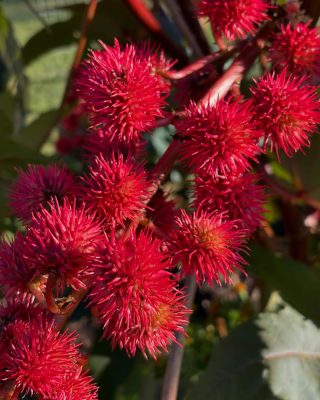
Those dramatic red-and-green spiky seed pods and large tropical-looking leaves make castor bean plants popular for adding height to garden beds. Inside each decorative pod lurks one of the deadliest natural toxins known: ricin. Just one or two seeds can kill an adult if chewed. Children are especially at risk because the mottled beans look like interesting toys. Many gardeners have no idea they’re growing the same plant used to make the infamous poison ricin.
Castor bean lethal dose information: Seeds contain ricin, one of the most potent natural poisons known. A single chewed seed can kill a child while two to eight seeds can be fatal to adults. Swallowing seeds whole is less dangerous than chewing them. Symptoms include burning mouth sensation, severe vomiting, bloody diarrhea, abdominal pain, seizures, and multiple organ failure. No antidote exists for ricin poisoning. Medical treatment is supportive only.
6. Rhododendron and Azalea
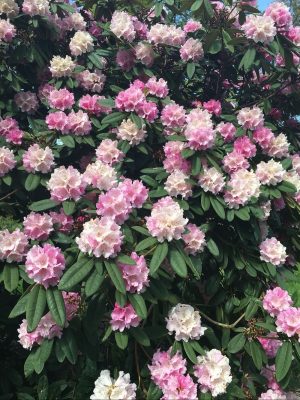 Pin
Pin Rhododendron / Photo courtesy The Plant Whisperer
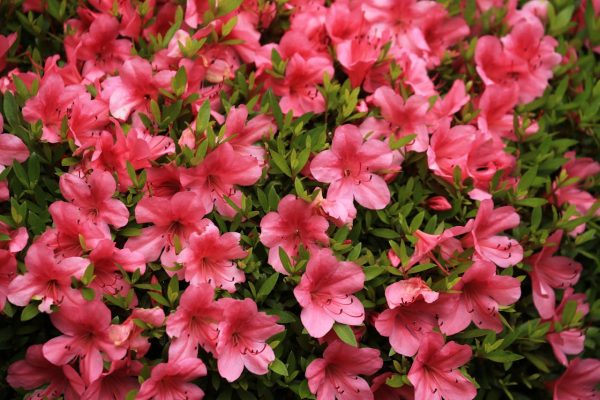 Pin
Pin Azalea / Photo courtesy Jeffry Surianto
These beloved flowering shrubs explode with colorful blooms each spring, adorning millions of yards across the country. Both contain grayanotoxins throughout their leaves, flowers, and nectar. Eating any part causes drooling, vomiting, diarrhea, and potentially fatal drops in blood pressure and heart rate. Even honey made from their nectar can poison people—a phenomenon called “mad honey disease” that’s been documented for thousands of years in certain regions.
Rhododendron and azalea poisoning details: All parts contain grayanotoxins that affect sodium channels in cell membranes. Symptoms appear within hours and include excessive drooling, vomiting, diarrhea, weakness, low blood pressure, slow heart rate, and potentially cardiac arrest. Even honey produced from the nectar causes mad honey poisoning. Both fresh and dried leaves remain toxic. Pets are especially vulnerable to poisoning.
7. Daffodils
 Pin
Pin Daffodils / Photo courtesy Eden Brothers
Those cheerful yellow trumpets signal spring’s arrival and seem harmless enough planted in neat rows along driveways. But daffodil bulbs contain lycorine and other alkaloids that cause severe vomiting, diarrhea, and abdominal pain. People have mistaken them for onions with disastrous results. Florists sometimes develop dermatitis from handling the stems, which leak a sap that irritates skin. Even putting daffodils in the same vase with other flowers can kill the other blooms.
Daffodil toxin concentration: Bulbs contain the highest concentration of lycorine and other toxic alkaloids. Symptoms include nausea, severe vomiting, diarrhea, abdominal pain, and in severe cases, tremors and cardiac arrhythmias. The sap causes contact dermatitis in sensitive individuals. Mistaken identity with onions or shallots leads to accidental poisoning. The toxic sap shortens the life of other cut flowers in arrangements.
8. Monkshood
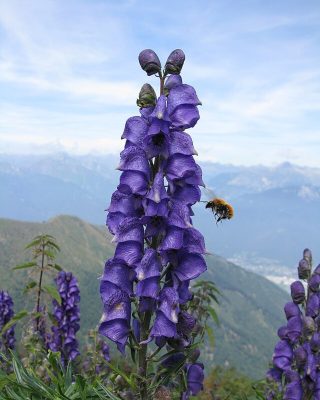 Pin
Pin Monkshood / Photo courtesy Kathryn Solie
The stunning deep blue or purple hooded flowers of monkshood add dramatic color to shade gardens. Ancient warriors used this plant to poison arrows and enemy water supplies. It contains aconitine, one of the most potent plant toxins around. Just touching the plant with bare hands can allow toxins to absorb through your skin. Symptoms start with tingling and numbness, then progress to vomiting, breathing problems, and heart failure. Gardeners should wear gloves when handling this one.
Monkshood extreme toxicity warnings: Contains aconitine, one of the deadliest plant alkaloids known. Toxins can be absorbed through intact skin during handling. Initial symptoms include tingling and numbness in mouth and extremities, followed by nausea, vomiting, diarrhea, muscle weakness, breathing difficulty, irregular heartbeat, and potentially fatal cardiac arrest. All parts are poisonous with roots containing highest concentrations. Death can occur within hours of exposure.
9. Deadly Nightshade
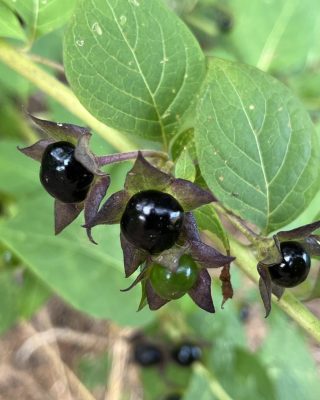 Pin
Pin Deadly Nightshade / Photo courtesy Cotswold Foraging
With shiny black berries that look like edible blueberries, deadly nightshade has been causing accidental poisonings for centuries. Children are particularly vulnerable because the berries taste slightly sweet. The plant contains atropine, scopolamine, and hyoscyamine—a toxic cocktail that causes dilated pupils, blurred vision, hallucinations, convulsions, and potentially death. Just three to four berries can kill a child, while ten to twenty can kill an adult. The entire plant is dangerous year-round.
Deadly nightshade lethal dose: Contains tropane alkaloids atropine, scopolamine, and hyoscyamine throughout all plant parts. Three to four berries can be fatal to children while ten to twenty can kill adults. Symptoms include dilated pupils, sensitivity to light, blurred vision, dry mouth, flushed skin, fever, rapid heartbeat, hallucinations, delirium, convulsions, and respiratory failure. The attractive berries pose the greatest risk to children.
10. Water Hemlock
 Pin
Pin Water Hemlock / Photo courtesy Melanie Dunn
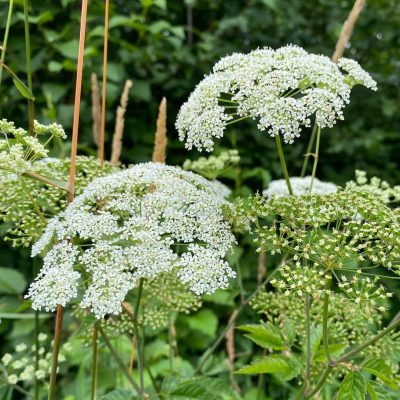
Often confused with edible wild carrots or parsnips, water hemlock grows along streams and in wet meadows. It’s considered the most violently toxic plant in North America. The roots contain cicutoxin, which causes violent seizures within 15 minutes of ingestion. People have died from eating just a small piece of root. There’s no antidote, and survival depends on how quickly medical help arrives. Foragers need to be absolutely certain of plant identification before harvesting anything that resembles this killer.
Water hemlock identification and danger: Grows in wet areas including marshes, stream banks, and ditches. Features white umbrella-shaped flower clusters similar to Queen Anne’s lace. Roots have chambered structure with yellowish oily liquid when cut. Contains cicutoxin which causes grand mal seizures within 15 to 60 minutes of ingestion. Symptoms include nausea, vomiting, abdominal pain, excessive salivation, sweating, violent seizures, and often death. Mortality rate is extremely high even with medical intervention.
11. Poison Hemlock
 Pin
Pin Poison Hemlock / Photo courtesy Eduardo Vieira Neto
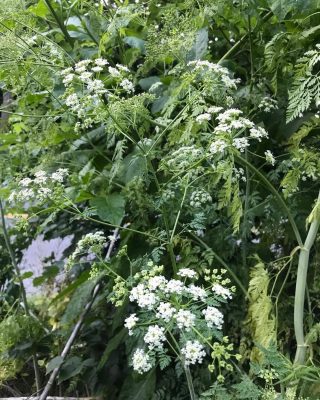
This weedy plant with lacy white flowers grows wild along roadsides and in empty lots across North America. Ancient Greeks used poison hemlock to execute prisoners, including the philosopher Socrates. The plant contains coniine and other alkaloids that paralyze your muscles, including those needed for breathing. People have mistaken it for wild carrots, parsley, or anise with fatal results. The plant emits a musty, unpleasant odor when crushed, which should serve as a warning sign.
Poison hemlock poisoning symptoms: Contains alkaloids including coniine, n-methylconiine, conhydrine, and gamma-coniceine. All parts are toxic with highest concentrations in seeds and roots. Symptoms begin with nervousness, trembling, and burning in the digestive tract, progressing to muscle weakness, paralysis, respiratory failure, and death. The ascending paralysis resembles curare poisoning. Consciousness often remains until respiratory muscles fail. A musty mouse-like odor when crushed helps distinguish it from edible plants.
12. English Yew
 Pin
Pin English Yew / Photo courtesy Noemi S.
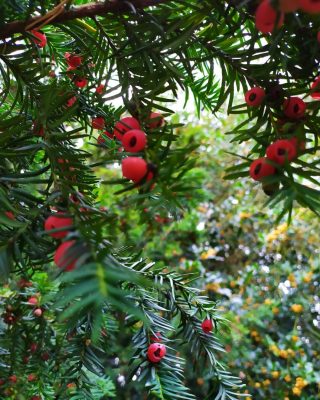
Yew trees have been planted in European churchyards for thousands of years, and they’re popular ornamental shrubs in American landscapes. Nearly every part of the yew is toxic except the fleshy red aril around the seed. The seed itself is poisonous, and swallowing it whole after eating the aril has killed people. The foliage contains taxine alkaloids that cause sudden cardiac arrest. Deaths happen fast—sometimes within hours. Deer can eat yew without harm, which doesn’t help humans recognize the danger.
English yew cardiac toxicity: Contains taxine alkaloids throughout needles, bark, and seeds. Only the fleshy red aril is non-toxic. Symptoms include nausea, vomiting, abdominal pain, dizziness, trembling, breathing difficulty, and sudden cardiac arrest without warning. Death can occur within hours. The seed inside the aril remains poisonous even though the aril is safe. Deer immunity to yew toxins misleads people about its safety for humans.
13. Autumn Crocus
 Pin
Pin Autumn Crocus / Photo courtesy Carex Tour
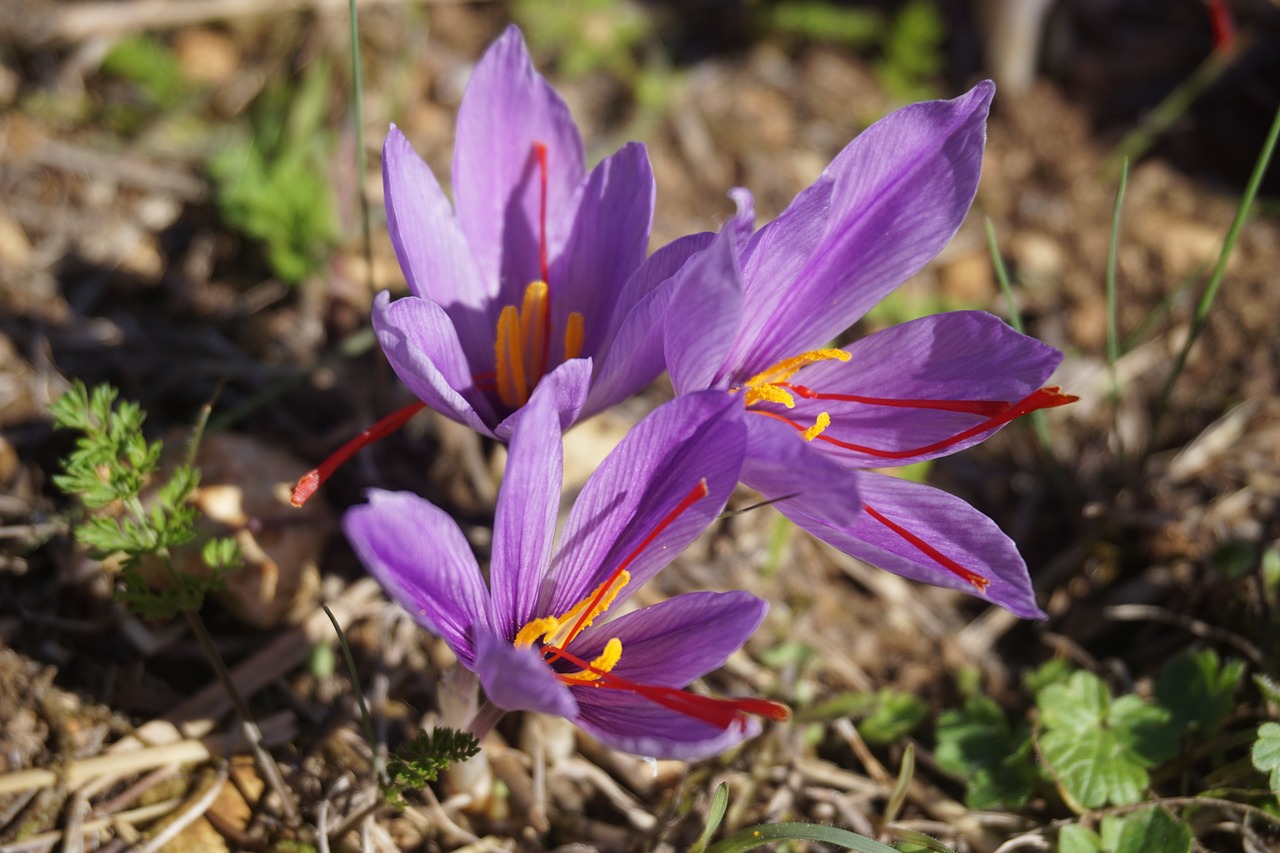
These delicate purple flowers pop up in fall and look similar to the safe spring crocus. But autumn crocus contains colchicine, a toxin that damages cells throughout your body. Symptoms don’t start immediately, which gives people false hope. Within hours to days, victims experience burning throat, bloody vomiting, kidney failure, and bone marrow damage. There’s no specific antidote. The plant is especially dangerous because the delayed symptoms mean medical help often comes too late.
Autumn crocus delayed toxicity: Contains colchicine which inhibits cell division and damages organs systemically. All parts are poisonous including flowers, leaves, bulbs, and seeds. Symptoms may be delayed six to 24 hours after ingestion. Initial effects include burning mouth and throat, intense thirst, vomiting, and bloody diarrhea. Later complications include kidney failure, liver damage, bone marrow suppression, respiratory failure, and multi-organ failure. No specific antidote exists.
14. White Snakeroot
 Pin
Pin Autumn Crocus / Photo courtesy Carex Tour
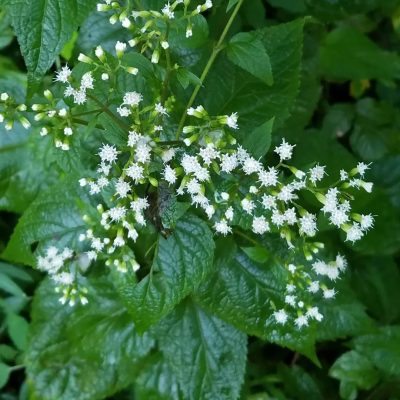
This innocent-looking wildflower with clusters of small white blooms caused mysterious deaths in early American settlers, including Abraham Lincoln’s mother. The plant contains tremetol, which doesn’t directly poison humans but contaminates the milk of cows that eat it. People who drank the milk developed “milk sickness” with tremors, vomiting, and often death. While less common now due to modern farming, the plant still grows wild and remains toxic to livestock and anyone who eats affected animal products.
White snakeroot indirect poisoning: Contains tremetol, a toxic alcohol that accumulates in milk and meat of animals that consume the plant. Causes milk sickness in humans who consume contaminated dairy products or meat. Symptoms include weakness, nausea, vomiting, tremors, abdominal pain, and death. The plant grows in shaded woodlands and remains toxic when dried in hay. Modern agricultural practices have reduced cases but the risk persists in areas where cattle graze wild vegetation.
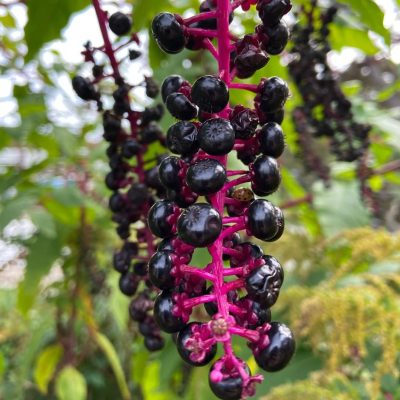
15. Pokeweed
 Pin
Pin Pokeweed / Photo courtesy Sustainable Roots
Many people remember popping pokeweed berries as kids to make purple “ink” for play. The young shoots are actually edible when cooked properly and changing the water multiple times. But mature pokeweed is seriously toxic. The roots, mature leaves, stems, and especially the berries contain phytolaccine and other toxins. Eating them raw causes severe stomach pain, vomiting, bloody diarrhea, and potentially dangerous drops in blood pressure. Children are hospitalized every year from eating the tempting purple-black berries.
Pokeweed maturity and toxicity: Young shoots under six inches can be eaten after boiling in multiple changes of water. Mature leaves, stems, and roots are toxic even when cooked. Purple-black berries and their seeds are poisonous and should never be consumed. Contains phytolaccine, oxalic acid, and saponins. Symptoms include burning mouth, nausea, severe vomiting, bloody diarrhea, slow breathing, low blood pressure, and in severe cases, convulsions. Birds can safely eat the berries which misleads people about their safety.
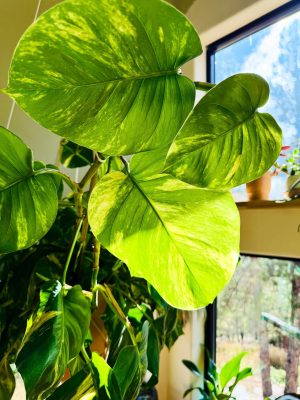
16. Dieffenbachia
 Pin
Pin Dieffenbachia / Photo courtesy Flora Some Fauna
This popular houseplant with its attractive variegated leaves sits on windowsills in homes and offices everywhere. The common name “dumb cane” comes from its ability to temporarily rob you of speech. The leaves contain calcium oxalate crystals that act like microscopic needles when chewed. Your mouth, tongue, and throat swell painfully, making it nearly impossible to talk or swallow. While rarely fatal, the pain is intense and can last for days. Pets and toddlers are frequent victims of this deceptively pretty plant.
Dieffenbachia calcium oxalate effects: Contains calcium oxalate crystals in needle-like bundles called raphides. Chewing any part causes immediate intense pain, swelling of mouth, tongue, and throat. Symptoms include drooling, difficulty swallowing, temporary loss of speech, and in severe cases, breathing difficulty. Eye contact with sap causes corneal damage and severe pain. Symptoms typically resolve within days but medical attention is needed for severe swelling. The attractive leaves and availability as a common houseplant increase exposure risk.
17. Philodendron
 Pin
Pin Philodendron / Photo courtesy Daniel Anderson
Walk into almost any home or office building and you’ll likely spot a philodendron trailing from a hanging basket or climbing a moss pole. These easy-care plants are everywhere, but they share the same calcium oxalate crystal danger as dieffenbachia. Children and pets who chew the leaves experience immediate burning pain and swelling. The sap can also irritate skin on contact. Despite being one of the most common houseplants in America, many owners have no idea they’re keeping a toxic plant within reach of curious hands and mouths.
Philodendron widespread risk factors: Contains insoluble calcium oxalate crystals throughout leaves, stems, and roots. Chewing releases raphides that penetrate oral tissues causing immediate pain, burning sensation, excessive drooling, swelling of lips, tongue, and throat. Dermatitis may occur from skin contact with sap. While rarely life-threatening, symptoms are painful and can persist for days. The plant’s extreme popularity as an indoor ornamental combined with low awareness of toxicity creates frequent exposure incidents.
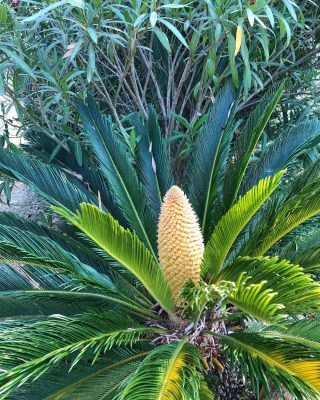
18. Sago Palm
 Pin
Pin Sago Palm / Photo courtesy Foreign Affairs Home Decor
These prehistoric-looking plants with their stiff fronds give homes a tropical vibe, but they’re among the most toxic plants you can keep indoors. Every part of the sago palm is poisonous, with the seeds being especially deadly. Dogs seem particularly attracted to them, and ingestion often proves fatal. The toxins cause severe liver damage within hours. Even with aggressive veterinary treatment, many pets don’t survive. Vomiting, seizures, and liver failure follow quickly after ingestion. This is one plant that should never be in a home with pets or children.
Sago palm extreme pet toxicity: Contains cycasin and other toxins throughout all parts with highest concentration in seeds. All parts are poisonous to humans and animals. Symptoms in pets include vomiting, diarrhea, lethargy, loss of appetite, seizures, liver failure, and death. Even with treatment, mortality rate in dogs exceeds 50 percent. In humans, symptoms include nausea, vomiting, increased thirst, bloody stools, jaundice, liver damage, and bruising. The attractive appearance and popularity as houseplants make them particularly dangerous.
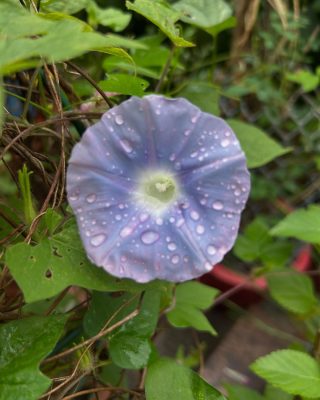
19. Morning Glory
 Pin
Pin Morning Glory / Photo courtesy Priyanka Priya
Those charming trumpet-shaped flowers that climb trellises and fences seem perfectly innocent. Most varieties are relatively harmless in normal circumstances. But the seeds contain LSA, a compound chemically related to LSD. Teenagers sometimes consume large quantities of seeds attempting to get high, which leads to nausea, vomiting, hallucinations, and dangerous psychological effects. Some commercial seed varieties are treated with toxic chemicals to prevent this abuse, making ingestion even more dangerous. What grows as a cheerful garden vine carries unexpected risks.
Morning glory seed psychoactive properties: Seeds contain lysergic acid amide (LSA), a naturally occurring psychedelic compound. Intentional consumption of seeds causes nausea, vomiting, hallucinations, altered perception, anxiety, and potentially dangerous psychological reactions. Commercial seeds are often treated with fungicides and pesticides that cause additional toxicity. Effects vary widely based on dosage and individual sensitivity. The plant’s widespread cultivation and easy seed availability make it a target for substance abuse.
20. Wisteria
 Pin
Pin Wisteria / Photo courtesy Caryl Tincknell
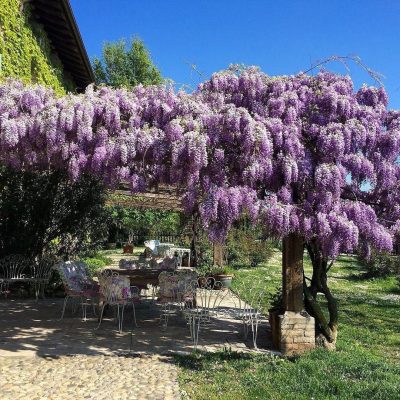
Few sights match the breathtaking beauty of wisteria in full bloom, with cascades of purple or white flowers draping from arbors and pergolas. But those fuzzy seed pods that follow the flowers contain toxins that cause digestive distress. Children sometimes open the velvety pods and eat the seeds inside, leading to nausea, vomiting, stomach pain, and diarrhea. Even the flowers, bark, and roots contain lesser amounts of toxic lectins and glycosides. The seeds look interesting enough to tempt kids, making this gorgeous vine a hidden hazard in landscaping.
Wisteria seed and plant toxicity: Contains wisterin glycoside and toxic lectins throughout the plant with highest concentration in seeds and pods. Symptoms include nausea, vomiting, abdominal pain, diarrhea, dizziness, confusion, and in severe cases, collapse. Children are most at risk due to attraction to fuzzy seed pods. The seeds may remain toxic even when dried. Burning wisteria wood releases toxic compounds in smoke. Despite its toxicity, the plant remains extremely popular in ornamental landscaping.
21. Lantana
 Pin
Pin Lantana / Photo courtesy Floricultura Jardinéia
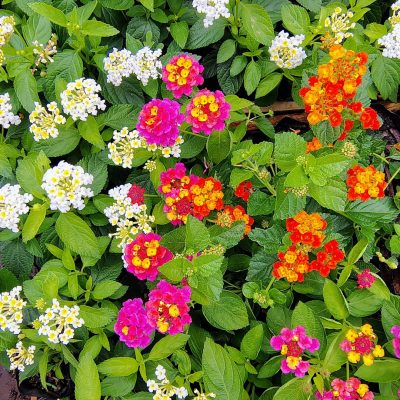
These colorful clusters of tiny flowers change hues as they age, creating a rainbow effect that makes lantana popular in Southern gardens. But the green unripe berries are toxic, causing liver damage and photosensitivity. Ripe black berries are less toxic but still shouldn’t be eaten. Children sometimes sample the berries, and livestock deaths from lantana poisoning are well-documented. Symptoms include vomiting, diarrhea, weakness, and in severe cases, liver failure. The plant’s ability to thrive in heat makes it a common landscape choice, spreading the risk.
Lantana berry and foliage dangers: Contains pentacyclic triterpenoids including lantadene A and B. Unripe green berries are highly toxic while ripe black berries are less so but still dangerous. Symptoms include nausea, vomiting, diarrhea, weakness, labored breathing, liver damage, jaundice, and photosensitivity causing severe sunburn. Children and pets are most at risk. Livestock frequently poisoned when plant invades pastures. The attractive multicolored flowers and berries increase appeal to children.
22. Hydrangea
 Pin
Pin Hydrangea / Photo courtesy Proven Winners
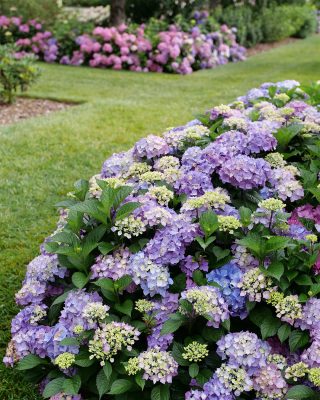
These beloved shrubs produce spectacular globe-shaped flower clusters in shades of pink, blue, purple, and white. Most people assume something so common in suburban yards must be safe. But hydrangeas contain cyanogenic glycosides that break down into cyanide when chewed or digested. The leaves and flower buds pose the greatest risk. Eating them causes stomach upset, and in large quantities, could lead to more serious cyanide poisoning. Cases are rare because the plant doesn’t taste good, but children and pets have still gotten sick from nibbling on hydrangea.
Hydrangea cyanogenic glycoside content: Contains amygdalin and other cyanogenic glycosides that release cyanide when plant material is chewed or digested. Leaves and buds contain higher concentrations than flowers. Symptoms include nausea, vomiting, diarrhea, shortness of breath, dizziness, rapid pulse, and in severe cases, convulsions and cyanide poisoning. The bitter taste usually prevents consumption of large quantities. The plant’s ubiquity in landscaping combined with low public awareness of toxicity creates ongoing risk.
23. Rhubarb
 Pin
Pin Rhubarb / Photo courtesy Emily Makrez
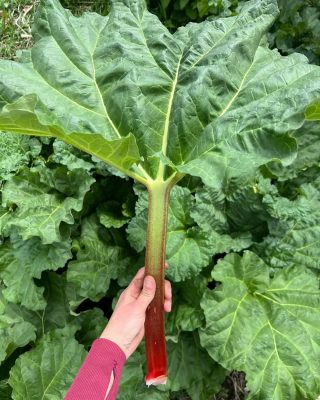
Everyone knows rhubarb stalks make delicious pies and jams, but the large leaves of this garden favorite contain dangerously high levels of oxalic acid. Eating the leaves causes burning mouth, difficulty breathing, nausea, vomiting, seizures, and kidney stones or failure. Deaths from rhubarb leaf poisoning have been documented, though they’re uncommon. The confusion comes from having edible stalks on the same plant as toxic leaves. Gardeners need to educate family members about which parts are safe and which could send them to the hospital.
Rhubarb leaf oxalic acid levels: Stalks are edible when cooked but leaves contain toxic levels of oxalic acid and anthraquinone glycosides. Symptoms of leaf consumption include burning sensation in mouth and throat, nausea, vomiting, diarrhea, breathing difficulty, weakness, eye pain, kidney damage, and in severe cases, seizures and death. The leaves contain about 0.5 percent oxalic acid. Confusion about which parts are edible leads to accidental poisoning. Cooking does not eliminate the toxins.
24. Iris
 Pin
Pin Iris / Photo courtesy Midwest Iris
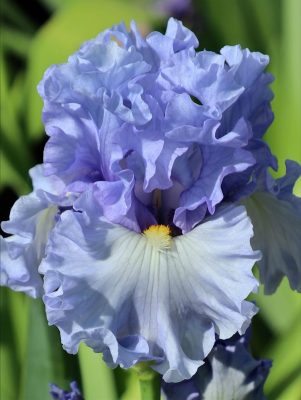
These elegant flowers with their distinctive three-petaled blooms grace gardens across the country. The rhizomes—those thick root structures gardeners divide and replant—contain irisin and other irritant compounds. Handling them can cause skin irritation, and eating them leads to severe digestive upset. Children have been poisoned from eating iris rhizomes, and gardeners sometimes develop contact dermatitis from handling them. The plant is less toxic than many on this list, but it’s common enough that exposure incidents happen regularly, especially during fall when people dig and divide their iris beds.
Iris rhizome toxicity details: Underground rhizomes contain irisin, iridin, and irritant resinous compounds. Ingestion causes burning mouth, excessive drooling, nausea, vomiting, abdominal pain, and diarrhea. Skin contact with rhizomes or sap causes dermatitis in sensitive individuals. While rarely life-threatening, symptoms are unpleasant and may require medical attention. The widespread cultivation and frequent handling during division increase exposure. Children may mistake rhizomes for edible roots.
25. Buttercup
 Pin
Pin Buttercup / Photo courtesy Anuradha
These cheerful yellow flowers dot meadows and lawns, looking completely harmless. But buttercups contain ranunculin, which converts to the toxic protoanemonin when the plant is chewed or crushed. This compound acts as a blistering agent, causing painful lesions in the mouth and digestive tract. Fresh buttercups are more toxic than dried ones, which lose their potency. Livestock generally avoid eating them, but horses and cattle have suffered poisoning when better forage wasn’t available. The juice can also blister skin on contact.
Buttercup protoanemonin effects: Fresh plants contain ranunculin which converts to protoanemonin when damaged. This volatile toxin causes severe irritation and blistering of mouth, throat, and gastrointestinal tract. Symptoms include excessive salivation, mouth pain, blisters, nausea, vomiting, diarrhea, and in severe cases, bloody urine and convulsions. Skin contact causes dermatitis and blistering. Drying converts protoanemonin to less toxic anemonin. Livestock poisoning occurs primarily with fresh plants. The toxin is unstable and loses potency over time.
26. Jack-in-the-Pulpit
 Pin
Pin Jack-in-the-Pulpit / Photo courtesy Phoenix Perennials
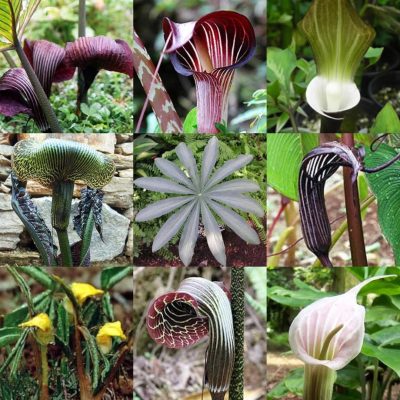
This native woodland plant has a distinctive hooded flower structure that looks like a preacher in a pulpit. The entire plant, especially the roots and berries, contains calcium oxalate crystals similar to those in dieffenbachia. Chewing any part causes immediate intense burning in the mouth. Native Americans learned to process the roots through extensive cooking and drying to make them edible, but eating them raw is extremely painful. The bright red berries that appear in fall are particularly attractive to children but cause severe mouth irritation if eaten.
Jack-in-the-pulpit calcium oxalate content: All parts contain calcium oxalate raphides with highest concentration in roots and berries. Chewing releases needle-like crystals that penetrate oral tissues causing immediate severe burning, swelling of lips and tongue, excessive drooling, difficulty swallowing, and potential airway obstruction. The red berries attract children. Extensive processing through cooking, drying, and leaching removes toxins but raw consumption is dangerous. The plant’s attractive unusual appearance increases handling and tasting risk.
27. Mayapple
 Pin
Pin Mayapple / Photo courtesy Blowing Rock
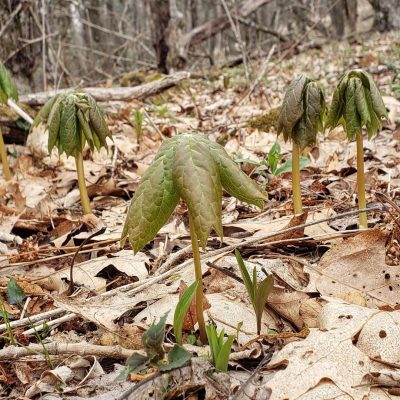
These umbrella-like plants carpet woodland floors in spring, and they hide a complex toxicity profile. The leaves, roots, and seeds contain podophyllotoxin, a powerful cytotoxic compound. Interestingly, the ripe yellow fruit is edible in small quantities, but only when fully ripe. Unripe fruit is toxic. The roots have been used medicinally but are dangerously potent. Eating the wrong parts causes severe vomiting, diarrhea, and can lead to nerve damage and liver toxicity. The timing and knowledge required to safely eat any part of this plant make it risky.
Mayapple podophyllotoxin dangers: Roots, leaves, stems, and unripe fruit contain podophyllotoxin and other lignans. These compounds are cytotoxic and cause severe gastrointestinal irritation. Symptoms include nausea, vomiting, severe diarrhea, abdominal cramps, weakness, dizziness, and in serious cases, liver damage, nerve damage, and potentially fatal complications. Only the fully ripe fruit is safe to eat in moderation. The plant’s presence in woodland areas frequented by foragers increases accidental poisoning risk.
28. Mountain Laurel
 Pin
Pin Mountain Laurel / Photo courtesy Mt. Cuba Center
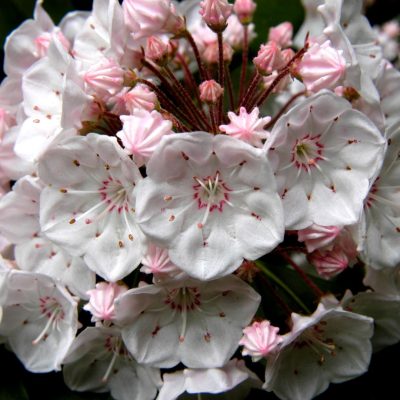
This evergreen shrub produces stunning clusters of pink or white flowers that look like tiny parasols. Mountain laurel contains grayanotoxins similar to rhododendrons since they’re in the same plant family. The leaves are toxic year-round, fresh or dried. Livestock have died from browsing on mountain laurel, and honey made from the nectar can cause mad honey poisoning in humans. Symptoms include excessive drooling, vomiting, weakness, loss of coordination, and cardiovascular problems. The plant’s popularity in landscaping, especially in mountainous regions, puts it in regular contact with people and pets.
Mountain laurel grayanotoxin poisoning: All parts contain grayanotoxins with highest concentration in leaves. Toxins affect sodium channels causing excessive salivation, vomiting, diarrhea, weakness, incoordination, low blood pressure, abnormal heart rhythms, convulsions, and potentially fatal cardiovascular collapse. Honey produced from nectar causes mad honey disease. Leaves remain toxic when dried. The plant’s use in landscaping and natural occurrence in eastern woodlands creates regular exposure. Livestock grazing in mountain laurel areas frequently suffer poisoning.
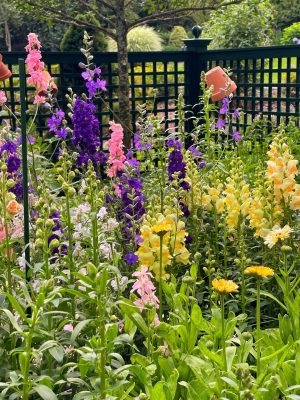
29. Larkspur
 Pin
Pin Larkspur / Photo courtesy Stacy Ling
These tall spikes of blue, purple, pink, or white flowers wave gracefully in western meadows and look similar to their garden cousin, delphinium. Both contain toxic alkaloids, but wild larkspur tends to be more potent. Cattle deaths from larkspur poisoning are a significant problem on western rangelands. The plant contains alkaloids that affect the nervous system and heart. In humans, symptoms include burning mouth, nausea, vomiting, muscle weakness, paralysis, and potentially fatal heart arrhythmias. The beautiful flowers tempt people to plant them, not realizing the danger they pose.
Larkspur alkaloid toxicity: Contains multiple diterpene alkaloids including methyllycaconitine. All parts are toxic with young growth and seeds most dangerous. Symptoms begin with burning mouth, nausea, vomiting, excessive salivation, and tingling. Progressive effects include muscle weakness, stiffness, paralysis, slow heart rate, abnormal heart rhythms, respiratory paralysis, and death. Cattle losses from larkspur are economically significant in western states. The attractive flowers lead to cultivation despite toxicity. No specific antidote exists.
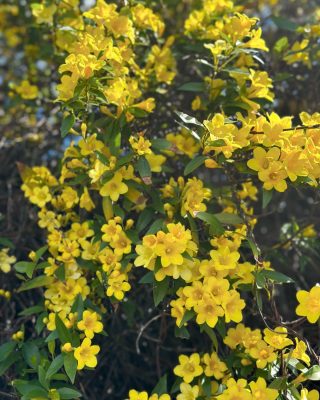
30. Carolina Jessamine
 Pin
Pin Carolina Jessamine / Photo courtesy Bashavia Gardens
This beautiful yellow flowering vine is South Carolina’s state flower, draping over fences and climbing trees throughout the Southeast. The fragrant trumpet-shaped blooms appear in late winter, bringing early color. But every part of Carolina jessamine contains gelsemine and other toxic alkaloids that affect the nervous system. Children have been poisoned from sucking the sweet nectar from flowers. Symptoms include dizziness, weakness, sweating, difficulty breathing, convulsions, and respiratory failure. The plant’s popularity and cultural significance don’t reduce its danger—this is one state flower you shouldn’t touch.
Carolina jessamine neurotoxic alkaloids: Contains gelsemine, gelseminine, and related indole alkaloids throughout all plant parts. Toxins act on the nervous system causing dizziness, headache, sweating, difficulty swallowing, dilated pupils, muscle weakness, convulsions, respiratory depression, and death from respiratory failure. Children have been poisoned from sucking nectar. The sweet-tasting nectar and attractive flowers increase risk. Honey made from the flowers can be toxic. Status as a state flower increases public familiarity but not awareness of toxicity.
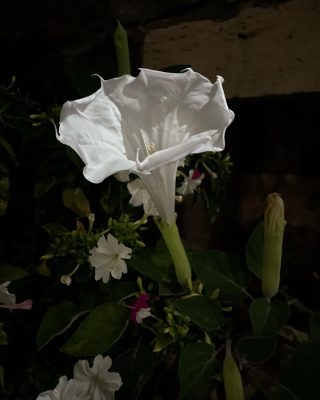
31. Jimsonweed
 Pin
Pin Jimsonweed / Photo courtesy Tree Carr
This weedy plant with large trumpet-shaped white or purple flowers grows along roadsides and in disturbed areas across America. Jimsonweed contains the same tropane alkaloids as angel’s trumpet and deadly nightshade. The plant has a long history of intentional abuse for hallucinogenic effects, which frequently results in hospitalization or death. The seeds and leaves are particularly toxic. Symptoms include hallucinations, rapid heart rate, dry mouth, dilated pupils, fever, seizures, and coma. The spiny seed pods look interesting to children, and even livestock occasionally get poisoned despite the plant’s unpleasant taste.
Jimsonweed tropane alkaloid content: Contains atropine, scopolamine, and hyoscyamine throughout all parts with highest concentration in seeds. Effects include extreme dilated pupils, blurred vision, photophobia, dry mouth, flushed skin, fever, rapid heartbeat, urinary retention, confusion, terrifying hallucinations, aggressive behavior, seizures, respiratory failure, and death. Intentional consumption for psychoactive effects frequently results in medical emergencies. The plant’s widespread occurrence and distinctive seed pods increase exposure risk. Symptoms can persist for days.
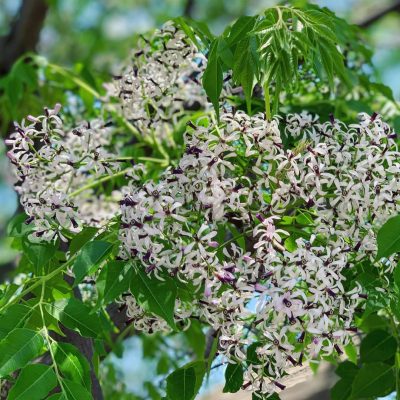
32. Chinaberry
 Pin
Pin Chinaberry/ Photo courtesy Juuunn
This fast-growing shade tree with fragrant purple flowers produces round yellow berries that persist through winter. The berries contain tetranortriterpenes that cause gastrointestinal and neurological symptoms. Children and pets are attracted to the marble-sized fruits, which have caused numerous poisonings. Eating just a handful of berries can cause vomiting, diarrhea, seizures, and paralysis. The tree spreads aggressively and is considered invasive in many areas, which means the toxic berries keep showing up in new locations. Birds can eat the fruits without harm and spread the seeds, expanding the tree’s range.
Chinaberry fruit toxicity levels: Berries contain tetranortriterpenoids including meliatoxins. Six to eight berries can cause serious symptoms in children. Effects include loss of appetite, vomiting, diarrhea, abdominal pain, weakness, difficulty breathing, seizures, paralysis, and potentially death. Symptoms may be delayed several hours after ingestion. All parts of the tree are toxic but berries pose the greatest risk. Birds safely consume and spread the fruits which misleads people about toxicity. The tree’s invasive nature expands exposure areas.
33. Giant Hogweed
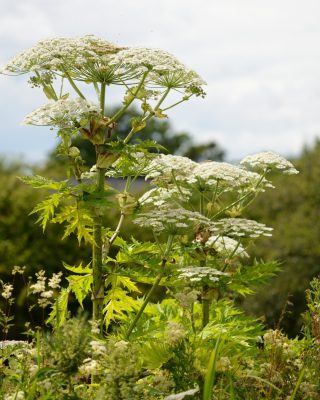 Pin
Pin Giant Hogweed / Photo courtesy Woodland Trust
This massive plant can grow over 14 feet tall with huge umbrella-like flower clusters that look impressive but hide a terrible danger. Giant hogweed sap contains furanocoumarins that cause phytophotodermatitis—a condition where skin becomes extremely sensitive to sunlight. Contact with the sap followed by sun exposure causes severe blistering burns that can last for months and leave permanent scars. Even brushing against the plant can transfer enough sap to cause injury. The burns often don’t appear until days after exposure, making it hard to connect the plant with the injury.
Giant hogweed phytophotodermatitis mechanism: Sap contains furanocoumarins that sensitize skin to UV radiation. Contact followed by sun exposure causes severe burns, blisters, and dark purple scarring that can last years. Effects may not appear for 15 to 48 hours after contact. Even small amounts of sap can cause serious injury. The plant’s massive size and attractive appearance draw people close. Permanent scarring and eye damage can occur. The plant is invasive across northern states. Washing sap off immediately and avoiding sunlight reduces injury.
34. Poison Ivy, Oak, and Sumac
 Pin
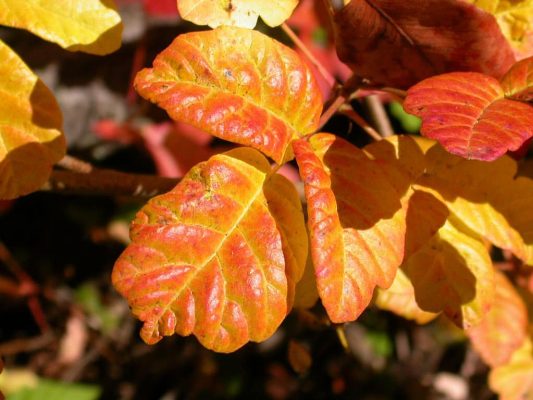
Pin Poison Oak / Photo courtesy Plant Snap
Nearly everyone knows to avoid these plants, but they still cause millions of cases of allergic contact dermatitis every year. The three plants contain urushiol oil that causes intensely itchy, blistering rashes in about 85 percent of people. The oil is so potent that even dead plants remain toxic for years. People get exposed through direct contact, touching contaminated clothing or tools, or inhaling smoke from burning plants, which can coat the lungs and cause life-threatening reactions. The rash can spread across the body and become infected from scratching.
Poison ivy, oak, and sumac urushiol effects: All three contain urushiol oil in leaves, stems, roots, and berries. About 85 percent of people are allergic. Contact causes delayed allergic reaction appearing 12 to 72 hours later with redness, swelling, intense itching, and fluid-filled blisters. Smoke from burning plants causes respiratory damage and can be fatal. The oil remains active on surfaces for years. Washing with soap within 10 to 15 minutes may prevent reaction. Severe cases require medical treatment. Repeated exposure can increase sensitivity.
35. Daphne
 Pin
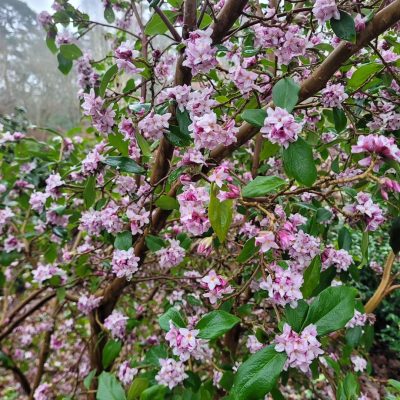
Pin Daphne / Photo courtesy Chloe Knight
This evergreen or deciduous shrub produces intensely fragrant pink, white, or purple flowers in late winter or early spring, making it a prized ornamental plant. But daphne contains potent toxins called daphnetoxin and mezerein in all its parts, with the highest concentrations found in the bark, sap, and bright red or yellow berries. The berries look remarkably like small candies or edible fruits, which makes them dangerously attractive to young children. Even a few berries can cause severe burning in the mouth and throat, excessive drooling, vomiting, bloody diarrhea, and kidney damage.
Daphne severe toxicity profile: All parts contain daphnetoxin, mezerein, and other diterpene esters. Berries pose the greatest risk due to their candy-like appearance and high toxin concentration. Symptoms include immediate burning sensation in mouth and throat, excessive salivation, difficulty swallowing, severe abdominal pain, vomiting, bloody diarrhea, headache, delirium, convulsions, and kidney failure. Skin contact with sap causes blistering and dermatitis. As few as two to three berries can cause serious symptoms in children. The plant’s popularity for its fragrance and early blooms increases exposure risk in residential gardens.
Final Thoughts
Your garden shouldn’t be a source of fear, but it deserves your respect and awareness. Many of these beautiful plants have been growing in yards for generations without incident because people learned which ones to avoid and taught their children the same wisdom. Take time this weekend to walk through your property and identify what’s growing there. Remove the most dangerous species if you have young kids or pets, and educate everyone in your household about which plants are off-limits. A little knowledge goes a long way toward keeping your family safe while still enjoying the natural beauty around your home.
FAQs
Most toxic plants only cause harm when ingested, but some like poison ivy, giant hogweed, and monkshood can affect you through skin contact alone. Giant hogweed causes severe burns when sap-exposed skin meets sunlight, while monkshood toxins can absorb through intact skin.
Yes, many garden plants toxic to humans are equally or more dangerous to cats and dogs. Lilies, sago palms, and azaleas are especially deadly to pets. Their smaller body size means even small amounts can be fatal. Keep toxic plants completely out of reach.
It varies widely depending on the plant and toxin type. Some toxins act within minutes while others take hours or days. Water hemlock causes violent seizures in 15 minutes, while ricin from castor beans takes 12 to 48 hours to show symptoms. Autumn crocus may delay 24 hours.
That depends on your household situation. Homes with young children or pets should prioritize removing the most dangerous species like castor bean, yew, oleander, and sago palm. For others, proper identification and education about which plants to avoid may be sufficient. Consider your risk factors.
Call poison control immediately. Don’t induce vomiting unless specifically instructed by medical professionals. Try to identify the plant and bring a sample with you to the hospital if needed. Quick action improves outcomes significantly for most plant poisonings.









 Login with Google